
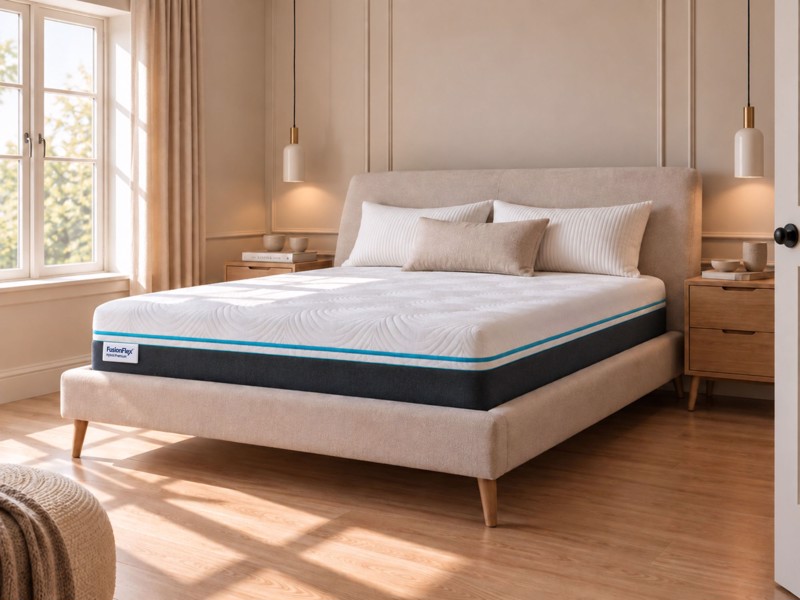
If you’ve started shopping for a new mattress, there’s a good chance you’ve come across the word hybrid. It’s one of the most popular mattress types around, but the name doesn’t always make it obvious what’s actually inside.
Quick Answer
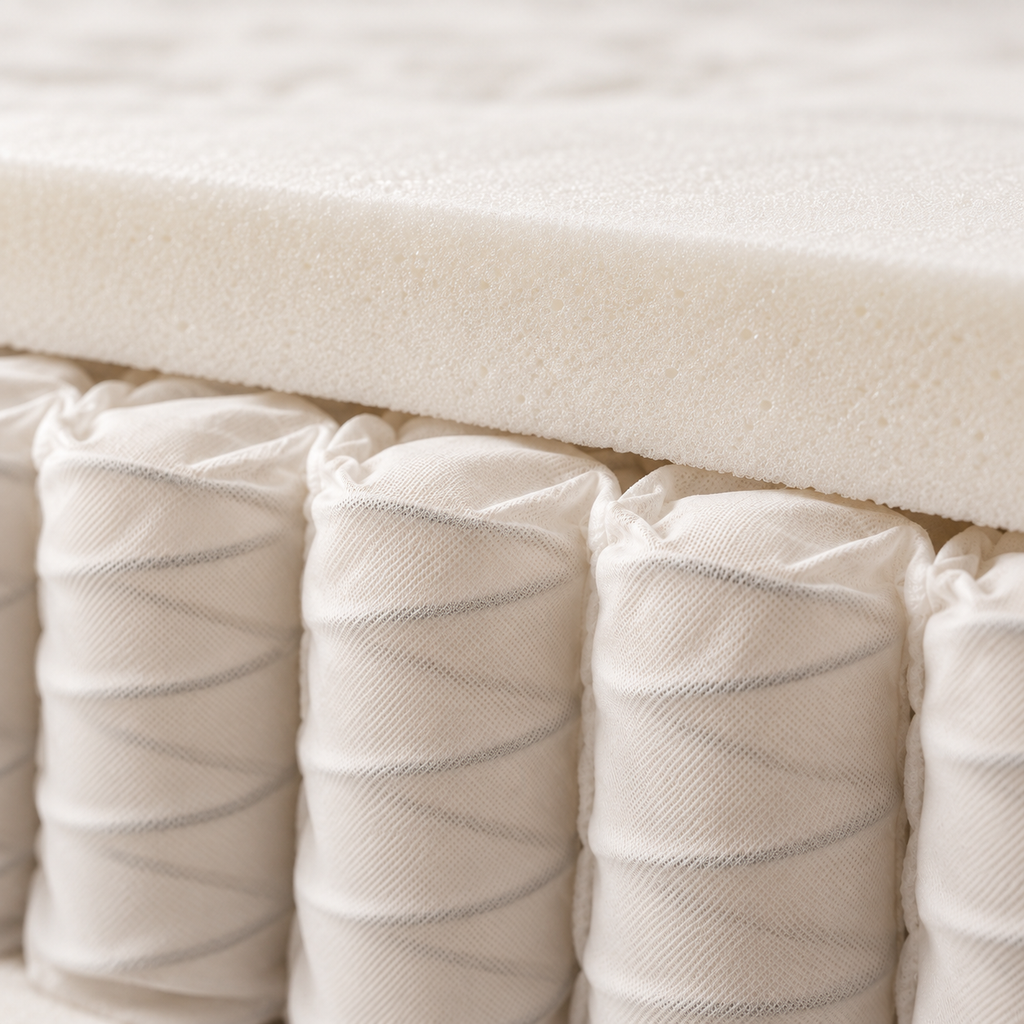
A hybrid mattress combines a pocket spring core with one or more comfort layers, typically memory foam, latex, gel foam or natural fibre. The springs provide responsive support, while the comfort layers add cushioning and pressure relief.
In simple terms, a hybrid brings together two different approaches to mattress construction. You get the more responsive feel and airflow associated with springs, alongside the softer, more contouring feel of materials such as foam or latex.
That doesn’t mean every hybrid mattress feels the same. The type and depth of the comfort layers, the spring system underneath and the overall mattress tension can all change how supportive, soft, cool or responsive it feels.
After more than 50 years helping people choose mattresses, one thing we know is that the label on the mattress only tells you part of the story. Understanding what’s actually inside it is much more useful when you’re trying to work out whether a hybrid will suit the way you sleep.
In this guide, we’ll explain how hybrid mattresses work, the different materials you’ll find inside them, how they compare with memory foam and pocket sprung mattresses, and who they’re likely to suit.
How Does a Hybrid Mattress Work?
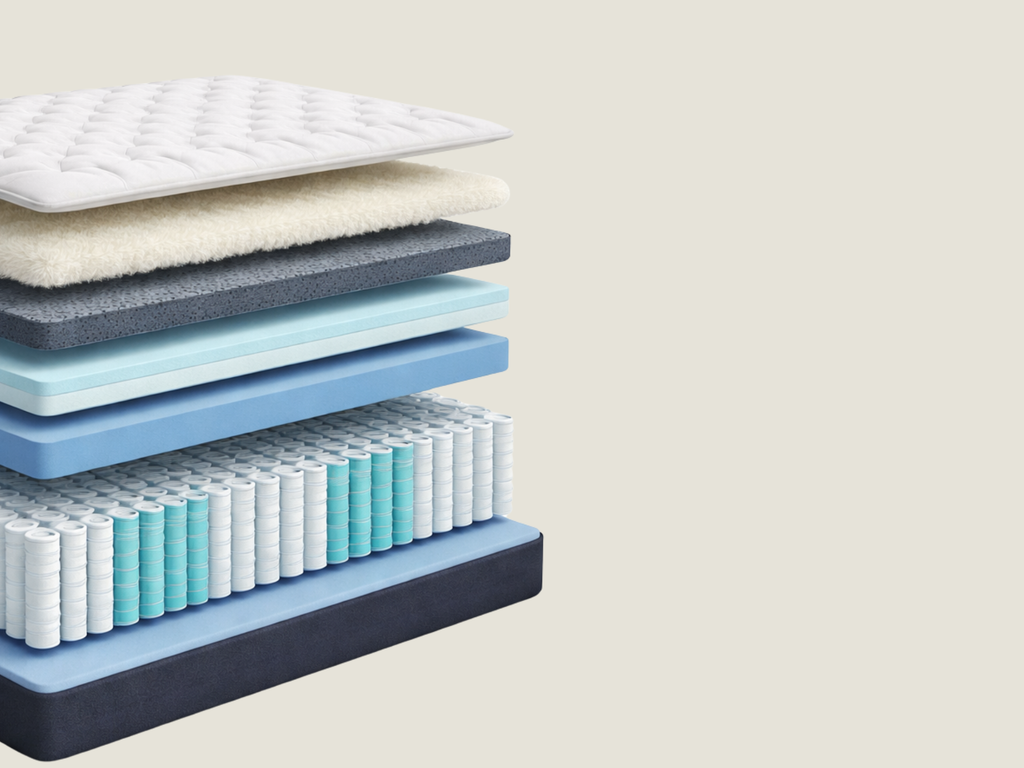
A hybrid mattress works by combining different materials in layers, with each layer doing a slightly different job. The spring system gives the mattress its main support and responsiveness, while the comfort layers above it shape how soft, cushioned or pressure-relieving the mattress feels.
The exact construction varies from one hybrid to another, but most follow a similar structure.
What’s Inside a Hybrid Mattress?
1. The cover
This is the surface you sleep on. Depending on the mattress, it may be designed to feel soft, breathable or cooling.
2. The comfort layers
These can include memory foam, latex, gel foam or natural fibres. They add cushioning and help shape how the mattress feels around your body.
3. The pocket spring core
The springs provide support and respond independently to pressure, helping the mattress adapt as you move.
4. The base or support layer
Some hybrids include an additional foam or support layer beneath the springs to help stabilise the mattress and complete the construction.
Why Does the Combination Matter?
The spring and comfort layers work together rather than independently. The springs give the mattress support and movement, while the materials above them change how that support feels. That’s why two hybrid mattresses can have the same basic construction but feel completely different when you lie on them.
What Are the Benefits of a Hybrid Mattress?
The appeal of a hybrid mattress is that it combines the responsiveness of springs with the cushioning of softer comfort layers. For many sleepers, that creates a feel that’s supportive without being overly firm, and cushioned without feeling too sink-in.
Responsive support
Pocket springs respond independently to pressure, helping the mattress adapt as you move during the night.
Extra cushioning
Foam, latex or natural comfort layers can soften the feel of the mattress and help reduce pressure around areas such as the shoulders and hips.
More airflow than an all-foam core
The open structure around a spring system can allow more air to move through the mattress than a solid foam core. The overall temperature of the mattress will still depend on the comfort layers and cover used.
A more balanced feel
For people who find traditional sprung mattresses too firm or all-foam mattresses too enveloping, a hybrid can offer a middle ground between the two.
One Thing to Remember
“Hybrid” describes the construction, not the comfort level. One hybrid mattress might feel soft and contouring, while another feels much firmer and more responsive. Always look at the spring system, comfort layers and tension rather than relying on the word hybrid alone.
Hybrid Mattress vs Memory Foam Mattress
Hybrid and memory foam mattresses can both offer plenty of cushioning, but they feel quite different because of the way they’re built.
A hybrid mattress combines pocket springs with comfort layers, while a memory foam mattress relies more heavily on layers of foam to provide support and pressure relief.
What’s the Difference?
| Feature | Hybrid Mattress | Memory Foam Mattress |
|---|---|---|
| Construction | Pocket springs combined with foam, latex or other comfort layers. | Primarily made from layers of foam. |
| Feel | Usually more responsive with a little more bounce. | Typically more contouring with a deeper, cushioned feel. |
| Airflow | The spring core creates more open space for air to move through. | Depends heavily on the foam formulation and overall construction. |
| Movement | Often easier to move around on because of the responsive spring system. | Can feel more enveloping, particularly with deeper memory foam layers. |
Which One Should You Choose?
If you like the contouring feel of foam but still want the responsiveness of springs, a hybrid could be a good place to start. If you prefer a deeper, more enveloping feel with less bounce, a memory foam mattress may suit you better. Neither is automatically better, it comes down to the kind of comfort you enjoy.
Hybrid Mattress vs Pocket Sprung Mattress
Hybrid and pocket sprung mattresses both use springs for support, so the main difference is what sits above them.
A pocket sprung mattress relies primarily on individually wrapped springs, often combined with traditional fillings, while a hybrid mattress adds one or more substantial comfort layers such as memory foam, latex, gel foam or natural fibre.
| Feature | Hybrid Mattress | Pocket Sprung Mattress |
|---|---|---|
| Construction | Pocket springs plus one or more defined comfort layers. | Pocket springs with traditional or lighter comfort fillings. |
| Feel | Often more cushioned or contouring. | Often more traditionally responsive and spring-led. |
| Who it may suit | People who want spring support with added cushioning. | People who prefer a more traditional sprung feel. |
The Simple Way to Think About It
If you like the feel of springs but want extra cushioning from foam, latex or another comfort material, a hybrid may be the better fit. If you prefer a more traditional mattress feel with the springs doing most of the work, a pocket sprung mattress may suit you more.
Who Is a Hybrid Mattress Best For?
A hybrid mattress can be a good option if you like the support and responsiveness of springs but still want extra cushioning from materials such as memory foam, latex or natural fillings.
Because hybrids come in so many different constructions and comfort levels, they can suit a wide range of sleepers, but the right choice still depends on your body, preferred sleeping position and the feel you enjoy.
A Hybrid Mattress May Suit You If…
You want cushioning without too much sink
The comfort layers can add softness and pressure relief, while the spring system helps the mattress feel more responsive underneath.
You move around during the night
A responsive spring core can make it easier to change position than on a mattress with a very deep, enveloping foam feel.
You share your bed
Pocket springs can respond independently to each sleeper, while the comfort layers can help soften movement across the surface. The exact level of motion isolation will depend on the mattress construction.
You want a balance of support and comfort
Hybrids are often chosen by people who don’t want an entirely foam-based feel but still enjoy a cushioned sleep surface.
Our Advice
Don’t choose a mattress simply because it’s labelled hybrid. Two hybrid mattresses can feel completely different, so always look at the comfort rating, spring system and materials inside before deciding whether it’s right for you.
Do Hybrid Mattresses Sleep Hot?
Not necessarily. One of the advantages of a hybrid mattress is that the spring core creates more open space inside the mattress than a solid foam construction, which can help air move more freely through the bed.
That said, not all hybrid mattresses sleep the same. The comfort layers make a big difference. A hybrid with deep memory foam layers may feel warmer than one using latex, gel-infused foam, breathable fibres or other materials designed to improve airflow.
What Affects How Warm a Hybrid Mattress Feels?
The comfort layers
Memory foam, latex, gel foam and natural fibres all behave differently when it comes to heat and moisture.
The depth of those layers
A thick, contouring foam layer may feel more enveloping than a shallower or more breathable comfort layer.
The spring system
Pocket springs create gaps within the mattress structure, helping air circulate more easily through the core.
The cover and bedding
Breathable covers, mattress protectors and bedding can all influence how warm your overall sleep setup feels.
If You’re a Hot Sleeper
Look beyond the word hybrid and check what the comfort layers are actually made from. A breathable spring core can help with airflow, but the materials closest to your body will have a big influence on how warm the mattress feels overnight.
Are Hybrid Mattresses Worth It?
For many people, yes, especially if you like the support of a sprung mattress but want more cushioning than a traditional pocket sprung model usually provides.
The important thing is to look beyond the label. A well-made hybrid can offer a really comfortable balance of support, pressure relief and responsiveness, but the quality of the springs, comfort layers and overall construction will make a much bigger difference than the word hybrid on its own.
| A Hybrid Mattress Could Suit You If… | You May Prefer Something Else If… |
|---|---|
| You want the responsiveness of springs with added cushioning. | You prefer a very traditional, spring-led mattress feel. |
| You like some contouring, but don’t want to feel too enveloped. | You love the deep, slow-sinking feel of an all-foam mattress. |
| You want a mattress that feels supportive but still cushioned. | You already know you prefer a completely different mattress construction. |
Our Advice
If you’re considering a hybrid, compare the actual materials and construction rather than choosing on the name alone. Look at the comfort rating, spring system, depth of the comfort layers and how the mattress feels when you lie on it.
If you’re still deciding, exploring a few different hybrid mattresses alongside memory foam and pocket sprung options can make the differences much easier to understand.
Hybrid Mattress FAQs
How long does a hybrid mattress last?
The lifespan of a hybrid mattress depends on the quality of the materials, how often it is used and how well it is cared for. A well-made hybrid should offer long-term support, but always follow the manufacturer’s care guidance and guarantee information.
Do hybrid mattresses need turning?
Some do and some don’t. Many modern hybrids are designed as single-sided mattresses and only need rotating, while others may have different care requirements. Always check the instructions for your specific mattress.
Are hybrid mattresses good for couples?
They can be. Pocket springs respond independently to pressure, which can help reduce movement travelling across the mattress, while comfort layers can add extra cushioning. The exact level of motion isolation will depend on the construction.
Are hybrid mattresses firmer than memory foam mattresses?
Not necessarily. Hybrid mattresses come in a wide range of comfort levels, from softer to firmer options. The feel depends on the spring system, the depth and type of comfort layers and the overall construction.
Can you put a hybrid mattress on any bed base?
Not always. Most hybrid mattresses work with a range of suitable bases, but the spacing of slats, ventilation and support underneath can all matter. Check the manufacturer’s guidance before pairing your mattress with a new or existing bed base.

Alice brings a background in marketing, design, and branding to Land of Beds, where she focuses on making sleep advice simple, relatable, and practical for everyday life. She holds a degree in Graphic Design with a specialism in branding and design, giving her a strong understanding of how interior spaces, colour, layout, and environment can influence comfort, mood, and overall wellbeing.
Her creative background allows her to provide both expert bed and mattress guidance and bedroom design inspiration that helps customers create spaces that feel as good as they look.
Alongside her work in marketing and branding, Alice has collaborated with internationally recognised brands including Campari and Aperol, Paulaner, and Malfy, helping develop her expertise in consumer-focused communication and lifestyle content. She has also been trained by and works closely with leading UK bed and mattress manufacturers including Harrison Spinks, Hypnos, and Vispring, building extensive knowledge of mattress technology, sleep ergonomics, bedroom comfort, and sleep wellness.
Passionate about the life-changing impact of quality sleep, Alice creates content designed to help readers make informed decisions to improve their sleep environment, wellbeing, and everyday routine.