

Most people choose a style before they've measured the room. Size should come first - it's the decision the room makes for you. Type and quality follow from there. At Land of Beds, we've been helping people across the UK get this right since 1974 - a third-generation family business, over 100,000 beds sold, and one sold every ten minutes. Our range covers every size from single to super king, every type from ottoman to adjustable, and every budget from entry-level to premium. Free mainland UK delivery, a Price Promise Guarantee, and honest advice from people who know this category properly come as standard.
Browse the full range below, or use the guides below to narrow down by size, type, and storage. Our team is available seven days a week for a personal recommendation.

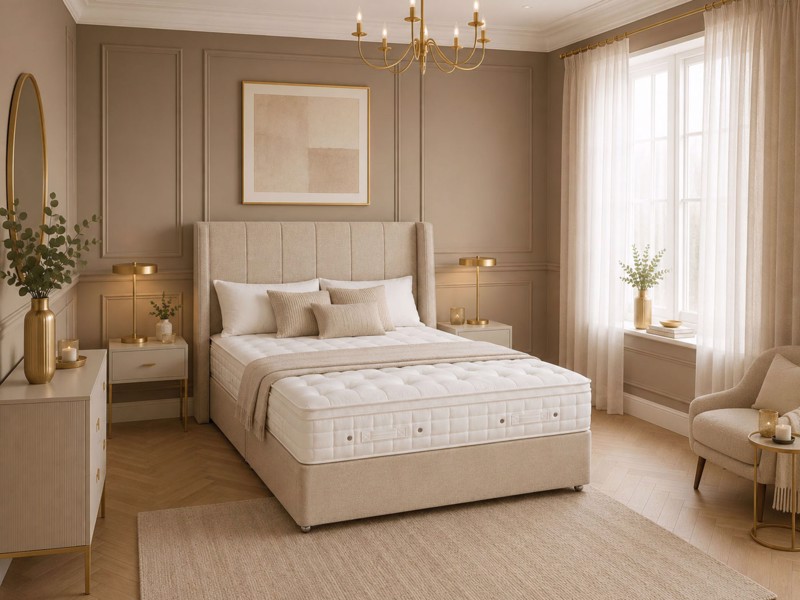


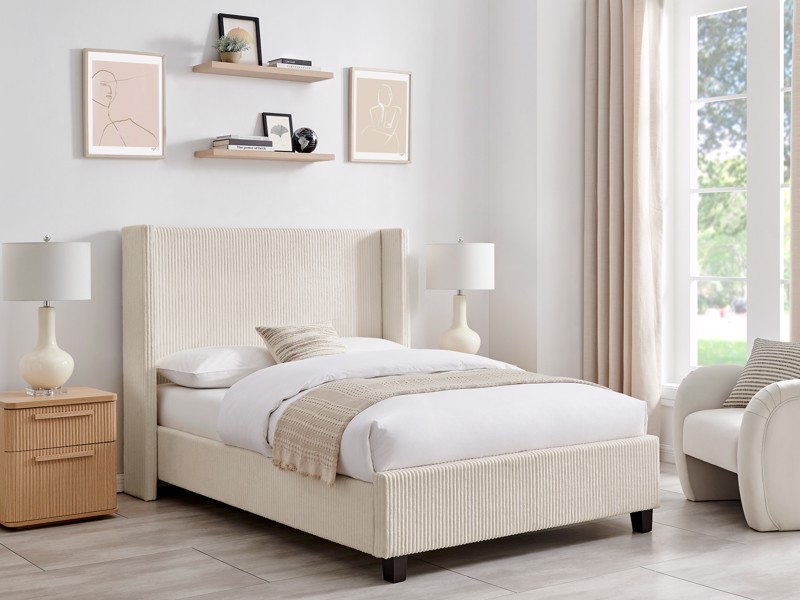


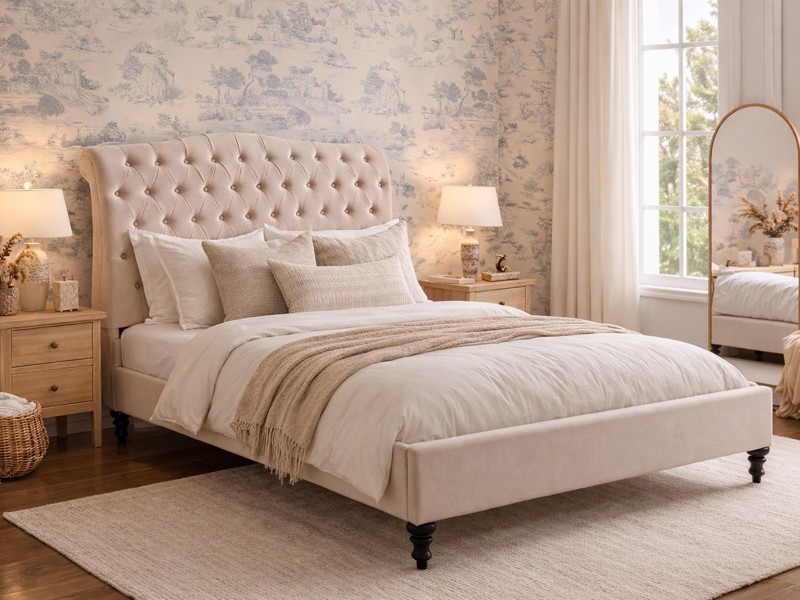
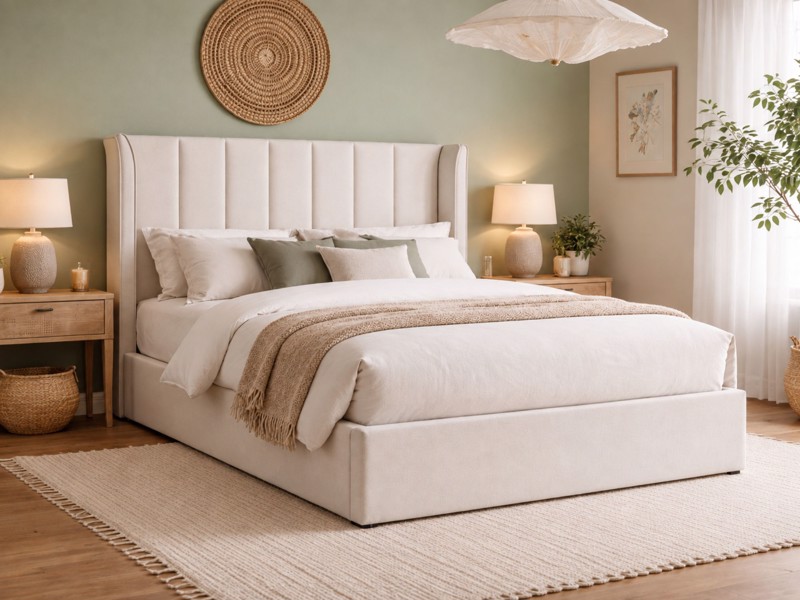

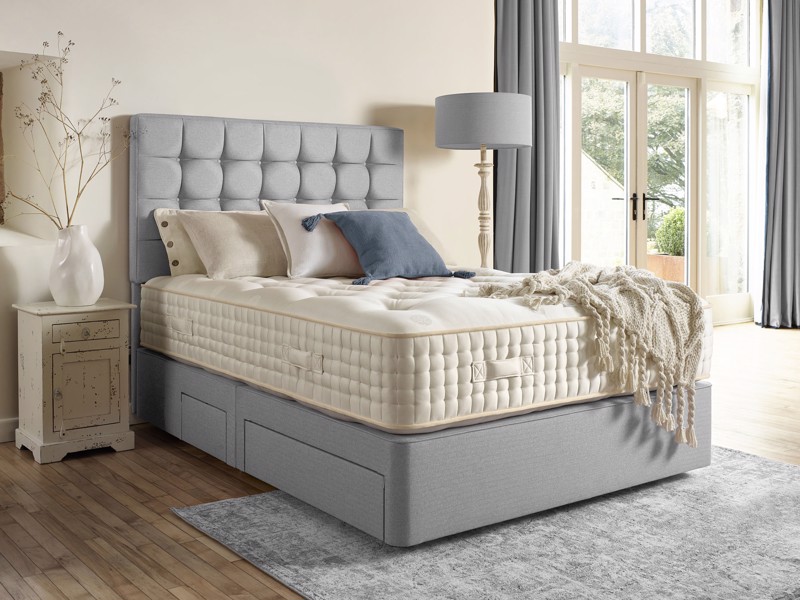

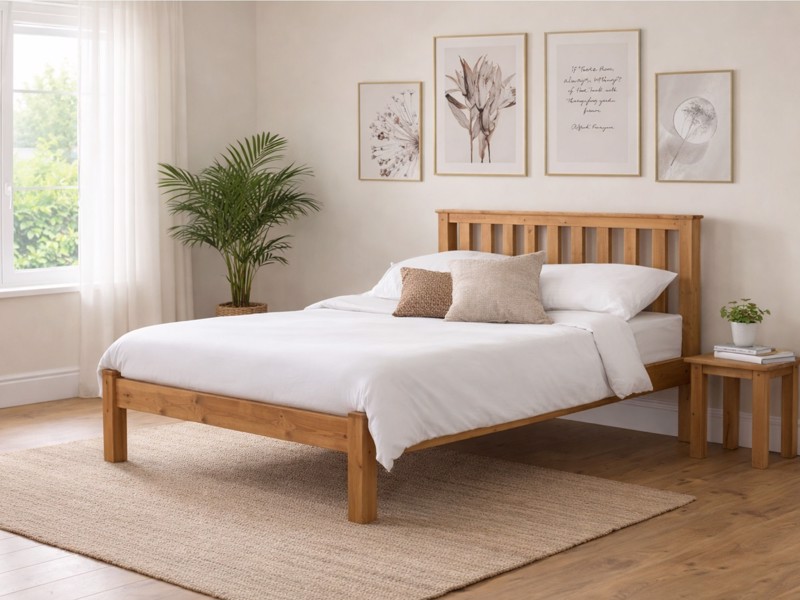

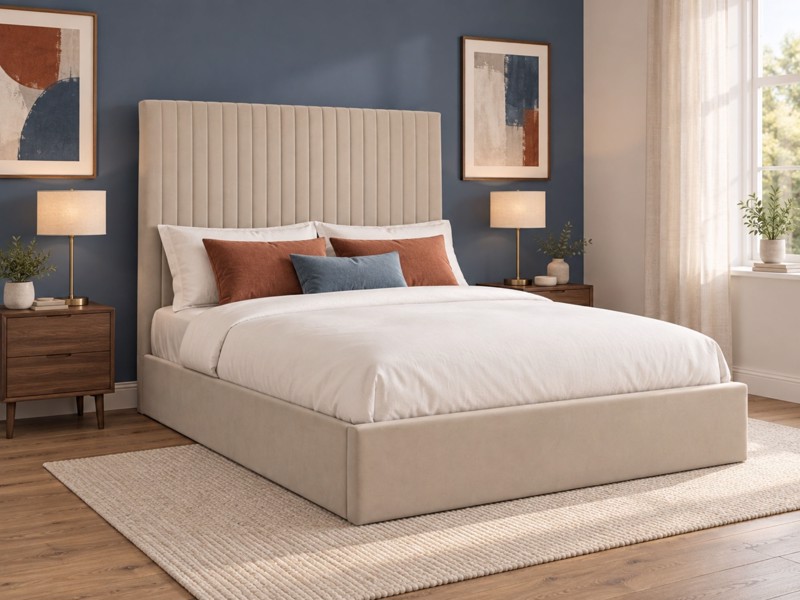

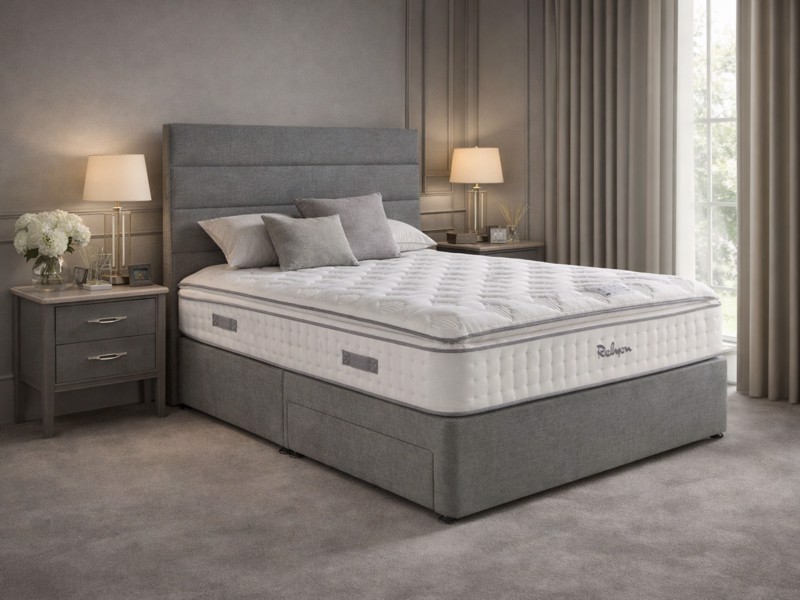


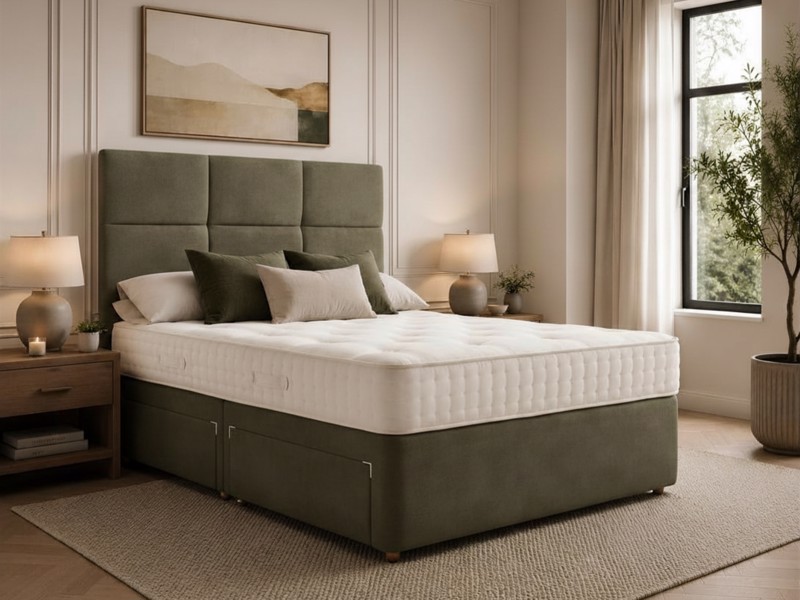
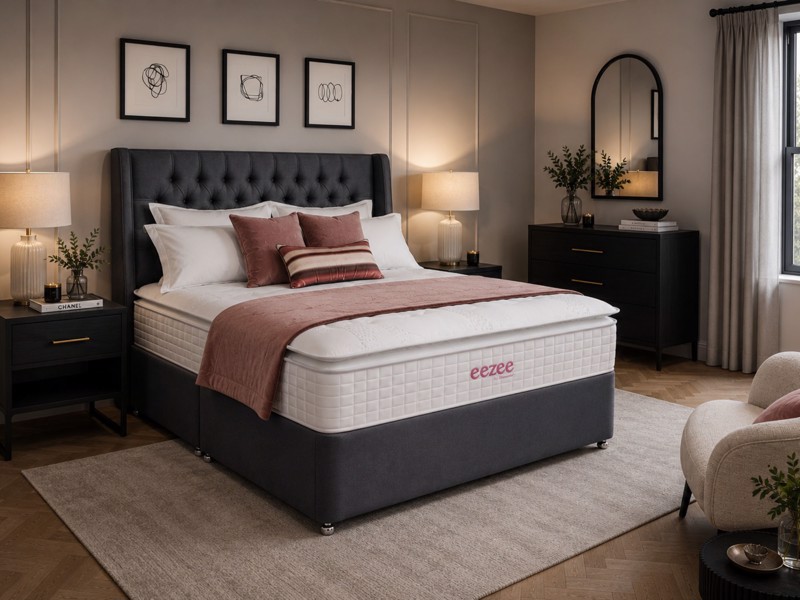

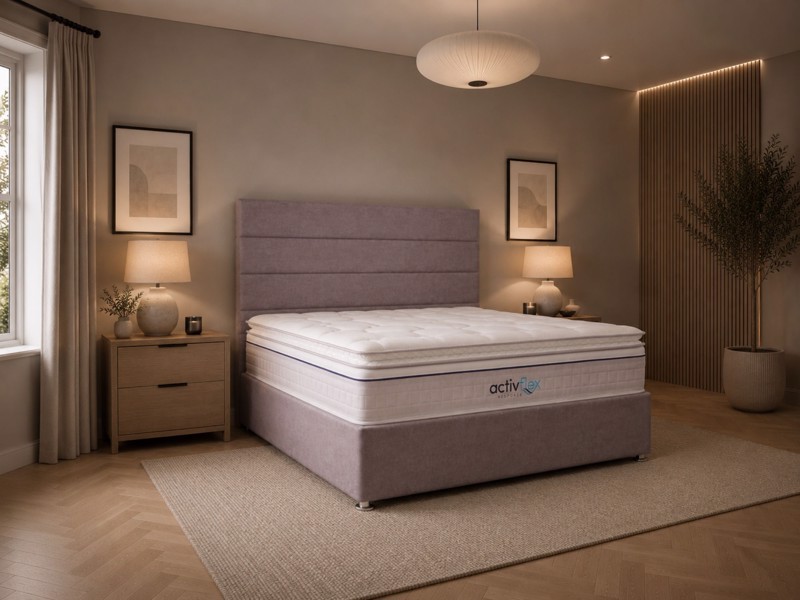

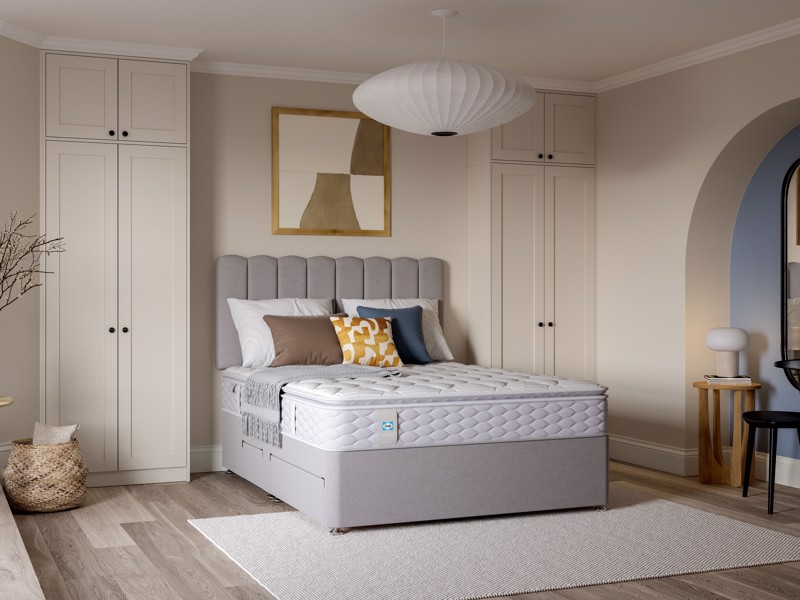


Most people arrive at a bed purchase with a style in mind. The mistake is that style is the last decision, not the first. Get size wrong and the room doesn't function. Get type wrong and storage fails or the base shortens the mattress's life. Get quality wrong and you're replacing it in three years. The right order is size first, then type, then quality - and style fits within whichever combination those three decisions land on. At Land of Beds, we've been helping people work through this for over 50 years, with honest advice and no pressure to buy.
-
| Your Situation | Best Choice | Why |
|---|---|---|
| Smaller bedroom, need storage | Double or king ottoman | Maximum hidden storage, no side clearance needed |
| Room borderline between double and king | Measure first - king if it fits | 75cm personal space each vs 67cm makes a real difference overnight |
| Tall sleeper (over 5ft 10in) | King or super king | 200cm length vs 190cm on double and single sizes |
| Two people, different sleep needs | Super king zip-and-link | Independent mattress tension on each side |
| Child aged 6 to 10 | Cabin bed | Uses vertical space; frees floor for play and storage |
| Teen aged 14 and above | Single or small double | Has outgrown raised beds; wants a normal sleeping surface |
| Guest room | Divan single or small double | Practical, compact, easy to maintain |
| Back pain or mobility needs | Adjustable bed | Each side adjusts independently for position and support |
| Solo adult wanting more width | Small double or double | 120cm or 135cm vs 90cm on a standard single |
-
Three decisions determine whether you end up with the right bed. They should be made in this order.
| Decision | Why It Comes First | What to Check |
|---|---|---|
| 1. Size | The room determines the size. A bed that technically fits but leaves no clearance makes the room harder to live in every single day. This is the most common source of regret - not the bed itself, but the size chosen for the room. | Room dimensions, the 60cm clearance rule on each accessible side, how much personal space each person needs overnight |
| 2. Type | Once size is fixed, type determines whether storage works, how the base supports the mattress, and how practical the bed is day to day. A drawer bed in a room without 60cm of side clearance is frustrating from day one. An ottoman in the same room is not. | Whether storage is needed, what clearance is available for drawer types, whether an ottoman, divan, or frame suits the room |
| 3. Base and frame quality | The base directly affects how long a good mattress performs. A low-quality base under a quality mattress is one of the most consistent false economies in bedroom furniture. Quality should match the mattress you're pairing it with. | Frame construction, slat spacing, gas-lift specifications if ottoman, base type relative to mattress choice |
-
Size is the decision the room makes for you. Measure first, then apply the 60cm clearance rule on each accessible side and at the foot.
| Size | Dimensions | Space per person | Best For | Minimum Room |
|---|---|---|---|---|
| Single (3ft) | 90 x 190cm | 90cm (solo) | Children from age 4, teenagers, solo adults, guest rooms | Approx. 2.5m x 3m |
| Small Double (4ft) | 120 x 190cm | 120cm (solo) | Solo sleepers wanting more than a single, teenagers, compact rooms | Approx. 2.8m x 3m |
| Double (4ft6) | 135 x 190cm | 67cm each (couple) | Couples in smaller bedrooms, guest rooms, solo sleepers wanting width | Approx. 3m x 3m |
| King Size (5ft) | 150 x 200cm | 75cm each (couple) | Couples wanting more personal sleeping space; the most popular main bedroom upgrade | Approx. 3.5m x 3.5m |
| Super King (6ft) | 180 x 200cm | 90cm each (couple) | Couples wanting maximum space - roughly a single bed's width each | Approx. 4m x 4m |
King and super king beds are 10cm longer than single and double sizes (200cm vs 190cm). This matters for anyone over 5ft 10in. See our UK Bed Sizes Guide for full room-measuring advice.
Our recommendation
Choose a king if: your room is 3.5m wide or more, two adults share nightly, or either sleeper is over 5ft 10in.
Stick with a double if: the room is under 3.5m wide, you are furnishing a guest room, or solo sleeping space is more important than couple width.
Go super king if: the room is 4m wide or more and partner disturbance during the night is a genuine problem.
-
Once size is decided, type determines storage, practicality, and base quality.
| Type | Key Features | Best For |
|---|---|---|
| Bed Frame | Frame on legs with slatted base and visible headboard - wood, metal, fabric, or rattan | Anyone who wants the bed to be a design feature of the room |
| Ottoman Bed | Gas-lift mechanism opens the entire base upward; full under-bed storage; no side clearance needed | Rooms where storage needs to work as hard as the sleeping space - replaces a chest of drawers in many setups |
| Divan Bed | Solid upholstered base; lower profile; often with integrated drawer storage | Practical bedrooms where a neat, compact look is the priority; excellent base compatibility with most mattresses |
| Children's Bed | Standard singles, cabin beds, mid-sleepers, high sleepers - each suited to a different age group | Children from around age 4 through to teenagers; type depends on age, room layout, and ceiling height |
| Bunk Bed | Two sleeping surfaces stacked vertically on one frame | Shared children's rooms; rooms that need a guest sleeping space without losing floor space |
| Adjustable Bed | Each side adjusts independently for position, angle, and support | Back pain, mobility needs, or couples with genuinely different sleep or health requirements |
| TV Bed | Motorised TV lift built into the footboard, rises and retracts electrically | Bedrooms where watching from bed is a regular rather than occasional habit |
| Sofa Bed | Functions as a sofa in daily use and converts to a sleeping surface | Multi-use rooms and occasional guest sleeping - not a substitute for a main bed |
Our recommendation
Choose an ottoman if storage is a priority and the room does not have 60cm of side clearance for drawers. Choose a divan if you want the most reliable base pairing for any mattress. Choose a bed frame if the bed is the room's design focal point. For children aged 6 to 10, a cabin bed; for 10 to 14, a high sleeper.
-
| Storage Type | Capacity | How You Access It | Clearance Needed | Best For |
|---|---|---|---|---|
| Ottoman (gas-lift) | Maximum - entire under-bed footprint | Lift the mattress and base upward | None on the sides | Smaller rooms; beds close to a wall; maximum capacity |
| Side drawers | Medium - two or three drawers per side | Pull out at floor level, no lifting | 60cm on the drawer side | Frequent access to items used daily |
| End drawers | Medium to large | Pull out from foot of bed | Clearance at foot | Rooms with side wall clearance but foot space available |
| Divan (no drawers) | None built in | Not applicable | No special clearance | Best mattress base compatibility; storage elsewhere |
The detail most customers miss: drawer beds need 60cm of clear space on the side the drawers open toward. One of the most consistent mistakes our team sees - and asks about before recommending any storage type - is a drawer bed bought for a room that does not have this clearance.
-
| Material | Durability | Adapts to Redecorating? | Best For |
|---|---|---|---|
| Solid Wood | Excellent - 10+ years | Yes - works across most styles | Long-term investment; main bedroom |
| Fabric / Upholstered | Good - 7 to 10 years | Less so - colour commitment | Design-led bedrooms; neutral tones last longest |
| Metal | Good - 8 to 12 years | Yes | Minimalist, vintage, or budget-conscious rooms |
| Engineered Wood | Moderate - 5 to 8 years | Yes | Children's beds; guest rooms; shorter-term use |
-
| Budget | What You Get | Best For |
|---|---|---|
| Under £400 | Entry-level materials. Reliable for lighter or occasional use. | Guest rooms, children's first beds, shorter-term use |
| £400 to £800 | Better construction, more storage options, wider style choice. Built for daily use. | A main bedroom used every night - where most buyers land |
| £800 to £1,200 | Premium materials. Better finishes and longer lifespan. | Long-term investment in a master bedroom |
| £1,200 and above | Luxury construction. Built to last a decade or more. | Statement master bedrooms; pairing with a premium mattress |
A £300 frame under a £1,000 mattress is a false economy - the base determines how evenly the mattress wears. Match frame quality to mattress quality. 0% finance available from 3 to 48 months. See our finance page for details.
-
| Question | Answer |
|---|---|
| What is the most popular bed size in the UK? | The double (135 x 190cm) is the most widely sold size overall. For main bedrooms where two people share regularly and the room allows it, king size (150 x 200cm) is increasingly the first choice. Double suits most standard UK bedrooms up to around 3m x 3m. King becomes the better option when the room can accommodate it with 60cm clearance on each side. |
| What size bed fits in a 10x10 room? | A 10x10 foot room is approximately 3m x 3m. A double (135 x 190cm) fits with adequate clearance if furniture is arranged carefully. A king (150 x 200cm) is not recommended - the clearance required on each side would leave the room feeling cramped daily. A double ottoman is usually the best choice for a room this size: the sleeping space you need, plus full under-bed storage, without sacrificing circulation space. |
| What is the difference between a bed frame and a divan? | A bed frame sits on legs with a slatted base and a visible headboard. A divan is a solid upholstered base sitting close to the floor, usually sold with a separately attached headboard, and often with built-in drawer storage. Frames offer more design variety. Divans are more compact and often better value as a base. Both accept the same mattress sizes. |
| Are ottoman beds worth it? | For most people in a smaller bedroom, yes - consistently, based on thousands of customer conversations. An ottoman raises the entire base via a gas-lift, revealing full under-bed storage. At double size this regularly removes the need for a separate chest of drawers. One important detail: drawer beds need 60cm of clearance on the opening side. In many rooms that clearance does not exist, making ottoman the more practical option regardless of preference. |
| Are ottoman beds hard to lift? | No. The gas-lift mechanism does the work - most ottoman bases require only light pressure to raise, and the struts hold the base open while you access storage. The main practical consideration is mattress weight: heavier mattresses can make the mechanism slightly stiffer. Check the individual product's weight guidance if pairing with a thick pocket spring or hybrid mattress. |
| How do I know what size bed to buy? | Measure your room first, then apply the 60cm clearance rule on each accessible side and at the foot. A double needs at least 3m x 3m. A king needs 3.5m x 3.5m. A super king needs 4m x 4m. The most common source of dissatisfaction is not the bed itself, but the size chosen for the room. |
| How long should a bed frame last? | A solid wood or quality metal frame typically lasts 10 to 15 years with normal use. A fabric or upholstered frame lasts 7 to 10 years. Engineered wood lasts around 5 to 8 years. The base (slat system or divan platform) often wears faster than the frame - if slats are sagging or breaking regularly, replace the base even if the frame looks fine. |
| How much should I spend on a bed? | For a main bedroom used every night by two people, £400 to £800 for the frame is where most customers land. Below £400 is guest room quality. Above £800 you are buying better materials and a longer lifespan. 0% finance from 3 to 48 months. |
| Do you offer free delivery on all beds? | Yes. Free mainland UK delivery on every order, no minimum spend. Professional bed assembly and old bed removal and recycling are available as add-on services. |
| Can I try beds before I buy? | Yes. Our showrooms in Helsby, Cheshire and Wigan, Greater Manchester have over 60 beds to try in person. Customers who compare a double and a king side by side make a more confident size decision than those who buy on dimensions alone. Both showrooms are open seven days a week. |
| Can I buy a bed on finance? | Yes. 0% finance from 3 to 48 months. Multiple finance partners, including a more inclusive option for customers not approved through traditional routes. See our finance page for eligibility. |
-
Third-generation family business, founded 1974. Over 100,000 beds sold. Genuinely independent - not tied to any manufacturer. 9,000+ verified Trustpilot reviews, rated Excellent. Free mainland UK delivery on every order. Price Promise Guarantee. 0% finance from 3 to 48 months.
-
Not sure which size or type is right for your room? Our team has helped thousands of customers work through exactly this decision. Call us on 01928 242829, visit either showroom, or use live chat - we're open seven days a week and there's no obligation to buy.
| How to Reach Us | What to Expect |
|---|---|
| Phone: 01928 242829 | Speak directly with a bed expert. Seven days a week. |
| Live chat | Fast responses during opening hours. |
| In-store (Helsby, Cheshire / Wigan, Greater Manchester) | Over 60 beds to try in person. Open seven days a week. |
| Email: [email protected] | We aim to respond within one working day. |



