
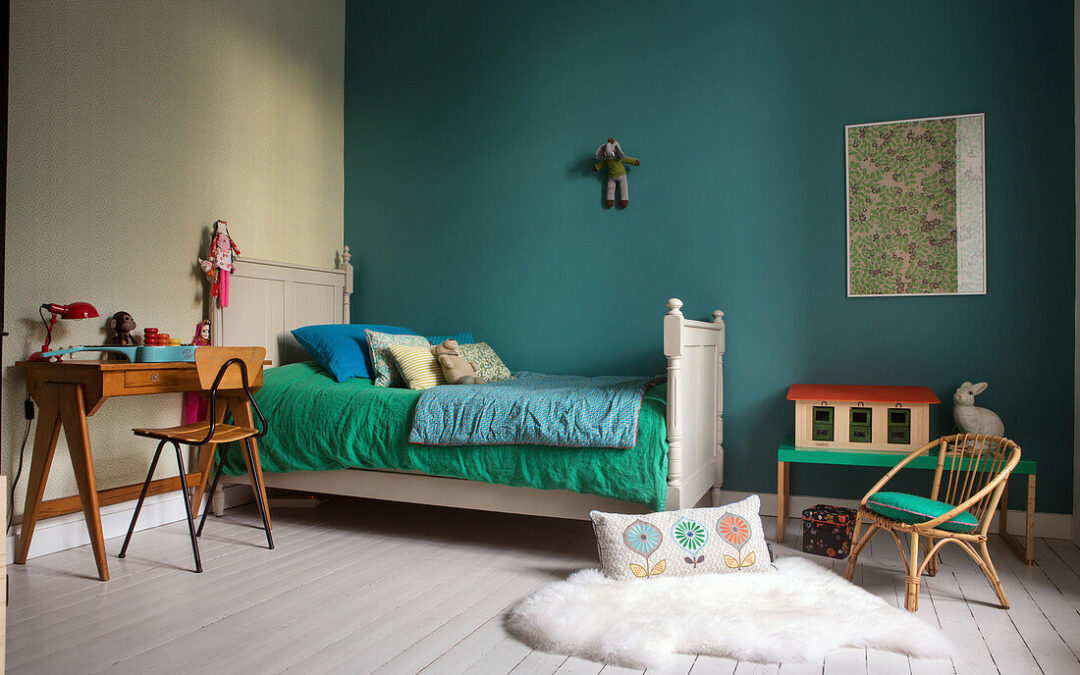
As parents, we prioritise healthy eating and exercise for our children, but one essential factor that often gets overlooked is a child’s sleep environment and how it impacts their overall well-being. A good night’s rest is crucial for their growth, learning, and overall well-being. When children sleep well, they perform better in school, retain more information, and are in a better mood. Poor sleep, on the other hand, can lead to hyperactivity, behavioural issues, and long-term sleep struggles.
But why does sleep matter so much? Sleep isn’t just “rest”—it’s when the brain and body work hardest to support development. During sleep, children’s bodies release growth hormones, process the day’s learning, and strengthen their immune system. Their brains also sort and store memories, helping with focus and problem-solving.
One of the most important ways to ensure quality sleep is by creating the right child’s sleep environment that promotes relaxation and restfulness.
1. Keep Colours Calm
The brain associates bright, bold colours with daytime alertness, making it harder for your child to wind down. Research suggests that softer, neutral tones (like pastels or warm neutrals) help lower heart rate and encourage relaxation—essential for easing into sleep.
2. Maintain the Right Temperature
Did you know that the body’s core temperature naturally drops at night to signal it’s time for sleep? If a room is too hot or too cold, it can disrupt this process, making it harder to fall and stay asleep.
- The ideal bedroom temperature for sleeping is around 18°C.
- Use breathable bedding and dress your child in moisture-wicking sleepwear to help regulate their body temperature.
- A warm bath before bed can slightly raise their temperature—when it drops afterward, it mimics the body’s natural sleep signals.
3. Limit Gadgets and Screens
Screens give off blue light, which suppresses melatonin, the sleep hormone that tells the body it’s bedtime. Studies show that using screens before bed can delay sleep onset and reduce deep sleep quality.
To support their natural sleep-wake cycle:
- Avoid screens at least an hour before bed.
- Keep devices out of the bedroom to remove the temptation to check them at night.
- Instead, encourage winding-down activities, like reading or storytelling, to help their brain shift into sleep mode.
4. Reduce Noise
Children cycle through different sleep stages, including light sleep, where they are more likely to wake up. A well-structured child’s sleep environment can help minimise disruptions and encourage uninterrupted rest.
- White noise machines or soothing sounds (like rainfall) help mask disruptive noises.
- A steady, consistent sound throughout the night prevents sudden environmental changes that could wake them.
5. Minimise Distractions
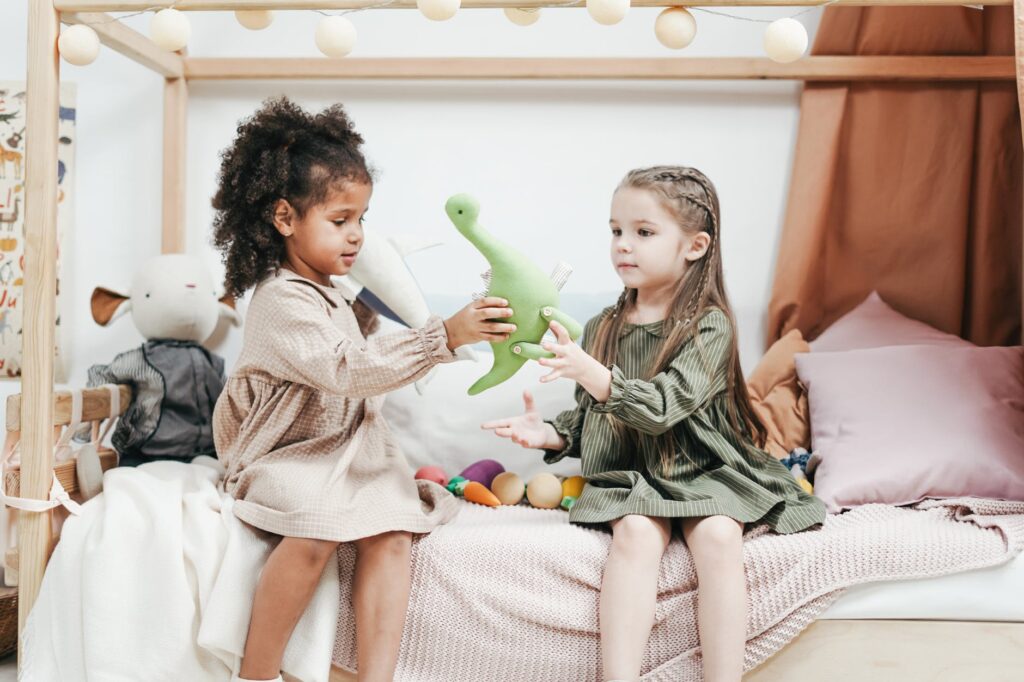
Young children’s brains are naturally curious and active. A room filled with toys, bright décor, and clutter can make it harder to mentally shift into sleep mode. To help create the perfect children’s sleep environment:
- Store toys out of sight before bedtime.
- Keep the bed for sleeping only—not for playing or doing homework—to reinforce the association between bed and rest.
6. Keep It Dark (But Not Too Dark)
Darkness is key for melatonin production—this hormone helps children feel sleepy and stay asleep. But total darkness can sometimes be unsettling.
- Use blackout curtains to prevent early morning light from waking them too soon.
- A soft, warm-toned nightlight can provide comfort without interfering with melatonin levels.
7. Maintain Consistency
Children thrive on routine, and their bodies love predictability. Sudden changes—like lights turning off mid-sleep or white noise stopping—can wake them up.
- If they use a night light or white noise, keep it on all night.
- A consistent bedtime routine (bath, book, cuddle, sleep) signals to their brain that it’s time to wind down.
8. Prioritise Comfort with the Right Mattress and Bedding
Children move more in their sleep than adults, so a well-designed child’s sleep environment should include a supportive mattress and breathable bedding to prevent discomfort and restless tossing.
A quality mattress and bed base are essential for spinal support, reducing pressure points, and encouraging deep sleep. The right setup:
- Supports spinal alignment to minimise night-time waking.
- Helps children sensitive to textures or temperature changes.
- Adapts through growth spurts while maintaining comfort.
At Land of Beds, we offer expertly designed mattresses and bed bases to help your child sleep soundly and wake up refreshed.
9. Promote Sleep Positively
Sleep should feel like a reward, not a punishment. Using bedtime as a consequence for bad behaviour can create negative associations with sleep, making it harder for children to settle down. A positive child’s sleep environment can help reinforce healthy sleep habits and make bedtime a more calming experience.
- Make sleep a calming experience by using lavender essential oils or a warm bedtime drink.
- Praise good sleep habits—this builds positive reinforcement.
Supporting Your Child’s Sleep
With these simple changes, you can create a science-backed child’s sleep environment that ensures your child wakes up feeling refreshed and ready for the day. Prioritising sleep is one of the best ways to support their physical health, emotional well-being, and brain development.
For more expert advice, The Sleep Charity offers a wealth of scientific insights, top tips, and guidance on children’s sleep—helping parents navigate common challenges with practical, research-based solutions.