
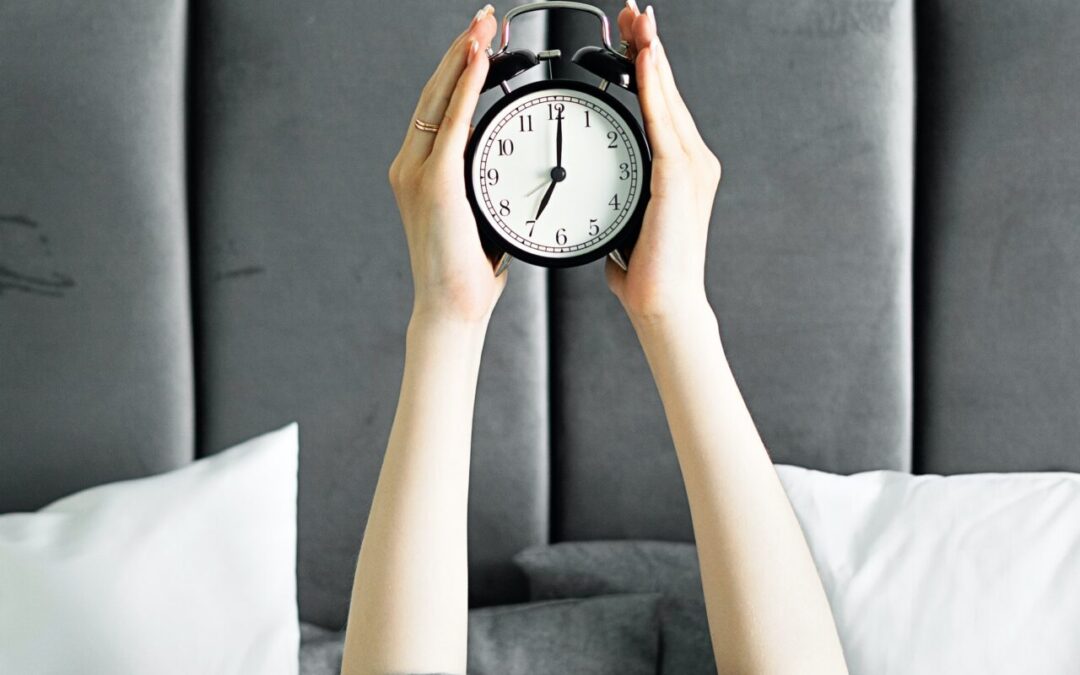
When the clocks go back at the end of October, we all have that smug extra hour in bed, but now comes the bit nobody talks about – feeling absolutely awful for the next few days!
“It’s only an hour!” I hear you say. Sure, but tell that to your body clock at 3pm on Monday when you’re ready to crawl under your desk for a quick nap.
Lucy Ackers, a bed expert at Land of Beds, reckons most of us will be feeling it. “When the clocks go backwards, our circadian rhythm – that’s your body’s internal clock – gets thrown out of whack,” she says. “Even though it’s just an hour, it can leave you feeling groggy and a bit rubbish, especially come Monday morning.”
So how long does this last?
The good news? Most people bounce back within a day or two. If you’ve already got a solid sleep routine, you’ll probably handle it better. But if you’re already running on empty (hello, parents of young children), you might find yourself more tired, grumpy, and struggling to concentrate. Basically, you’ll be even more of a joy to be around than usual.
Here’s how to sort yourself out:
Start shifting your bedtime now
In the days before the clocks change, try going to bed 10 minutes earlier each night. “Small tweaks help your body clock adjust more smoothly,” Lucy explains. “If you just crash your sleep schedule by a full hour overnight, you’ll struggle to fall asleep and end up lying there counting sheep – or scrolling Instagram, let’s be honest.”
Get some light in your eyes first thing
As soon as you wake up, get yourself in front of some light – whether that’s flinging open the curtains or switching on a bright lamp. “Light tells your body it’s time to wake up,” says Lucy. “It stops your brain producing melatonin, that sleepy hormone, so you actually feel alert instead of like a zombie.”
Hold off on that first coffee
I know, I know. But hear me out. Try having your morning coffee about 30 minutes later than usual in the days around the clock change. “Caffeine affects your body clock in a similar way to light,” Lucy says. “Delaying it slightly helps your internal rhythm sync up with the new daylight pattern – and stops you crashing by mid-afternoon.”
No napping!
I realise this is the last thing you want to hear when you’re shattered, but resist the urge to nap. “Staying active and skipping naps helps reset your body clock by keeping you awake during the day,” Lucy explains. Basically, if you nap now, you’ll be wide awake at midnight. Not ideal.
Rethink your breakfast
Your first meal can actually help reset your circadian rhythm. Go for protein-rich options like eggs or Greek yoghurt to boost alertness, or slow-release carbs like porridge to keep your energy steady. Just avoid sugary cereals or pastries – they’ll have you face-down on your keyboard by 11am.
The good news is this doesn’t last forever. Give it a couple of days, follow these tips, and you’ll be back to your normal self. Until March, anyway, when we do this whole thing in reverse.
Written by Judith Ackers
Judith brings her background in psychology, neuroscience, and education to her role at Land of Beds, where she shares expert advice to help customers sleep better. From product information to bedtime routines and sleep-friendly habits, Judith’s insights support Land of Beds’ mission to improve sleep for everyone.
Approved by Dr O’Donnell
Dr O’Donnell is a retired General Health Practitioner with over 30 years of experience in the NHS. Her extensive background in patient care, health education, and preventative medicine brings trusted medical insight to the content we share. Dr O’Donnell has reviewed and approved this blog to ensure the information supports our commitment to promoting healthier sleep and wellbeing.