After decades of helping people choose bed frames, we’ve noticed a pattern. Most of us make this decision back to front. We find a frame we love, usually at 11pm, usually while telling ourselves we’re just browsing, and then spend the next six months trying to make the rest of the room work around it.
Here’s what we suggest instead: get clear on what you actually need first, and then let your aesthetic guide you to the right frame within those parameters. Because a beautiful bed frame that’s the wrong size for your room, or that doesn’t give you the storage you desperately need, is never going to be the frame you wanted. But once the practical boxes are ticked, aesthetic absolutely matters, and it matters more than most people give it credit for.
This guide covers both. We’ll start with the non-negotiables, and then get to the part that’s genuinely enjoyable: figuring out which kind of room you actually want to wake up in.
Sort the practicalities first
This is the part most style guides skip, and it’s the part that saves you from buying something beautiful that doesn’t actually work. Three things to settle before you think about aesthetics.
Room size
Measure the room before you decide on anything else. Allow at least 60cm clearance on each side of the bed, and check that any drawers have room to open fully. A frame that looks perfect online can make a room feel cramped in a way that no amount of careful styling will fix.
Storage needs
Be honest with yourself here. If you’re short on wardrobe space, a frame with built-in drawers or an ottoman base is not a nice to have, it is a genuine necessity. Getting the storage decision right means you need less furniture elsewhere, which almost always makes the room feel better.
Budget
The bed frame is the piece you’ll spend roughly a third of your life with, and it directly affects how your mattress performs. In our experience, it’s the furniture investment that pays off most consistently over time. Set a realistic budget before you start browsing, it makes every subsequent decision easier.
Once those three things are sorted, the rest of the decision becomes genuinely enjoyable. Here’s where the aesthetic conversation starts.
Identify your aesthetic before you open a single browser tab
Three questions that will tell you more about your bedroom aesthetic than any mood board.
01
Think about the last hotel room you walked into and immediately felt at ease. Was it calm and uncluttered? Warm and layered with texture? Dark and dramatic? That instinctive response is telling you something important about the environment that helps you rest properly, which, when you think about it, is exactly what a bedroom is for.
02
Look at your wardrobe. Are you reaching for clean neutrals and simple cuts, rich textures and interesting colour, or classic tailored pieces? Your instinct in fashion almost always translates directly to how you want your home to feel. It is the same part of your brain doing the same job.
03
Which rooms in your house do you actually enjoy spending time in, and what do they have in common? Warmth? Simplicity? A sense of drama? Texture? The answer is usually more consistent than people expect, and it is the clearest indicator of your aesthetic.
Once you know it, choosing the right bed frame within your practical parameters stops being overwhelming and starts being obvious.
The six bedroom aesthetics, and the bed frames that belong in each
These are the six looks we find ourselves recommending most. Starting points, not rules, but they’ll give you a clear direction.
Scandi minimal
Calm, considered, unhurried. Everything in the room has earned its place.
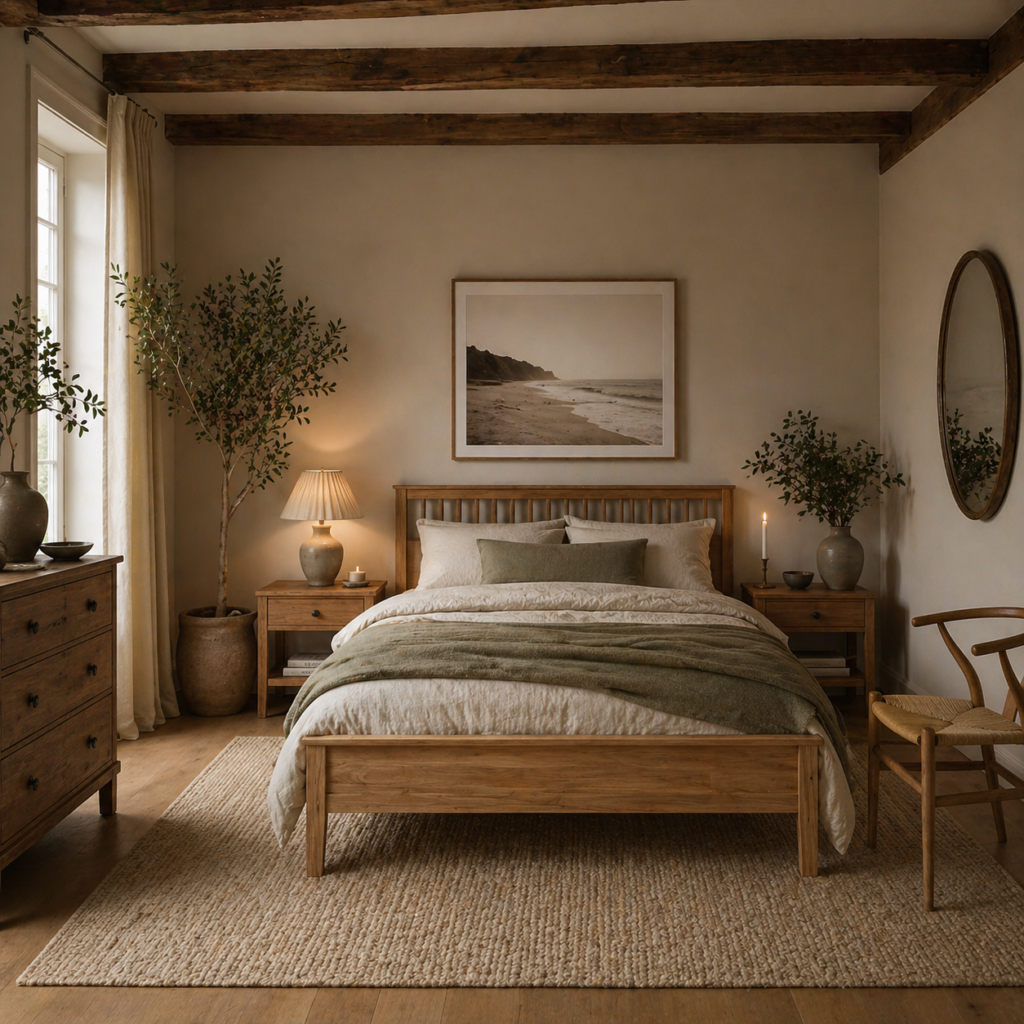
This is the aesthetic that has endured for the better part of a decade, and the reason is simple: it genuinely works. Clean lines, natural wood finishes, a palette of warm whites and oat tones, linen everything. The Scandi bedroom is not sparse. That is a common misconception. It is edited. There is a difference. The bed frame that belongs here is low-profile, unfussy, and warm. This is not the room for a statement frame. The statement is restraint, and the frame should honour that.
What works
Slim wooden frames in natural or pale finishes. Low foot ends. Simple slatted headboards that do not demand attention.
What to avoid
Anything too tall, too ornate, or too dark. If the frame competes with the stillness of the room, it is the wrong frame.
Pair with
Undyed linen bedding, a single oversized pendant, wooden floor with natural jute rug, nothing on the bedside tables except a book.
Worth knowing
The low-profile frames that define this aesthetic also happen to be one of the best choices for smaller bedrooms. The visual lightness that makes a Scandi room feel calm is doing practical work too, drawing the eye downward, making ceilings feel higher, keeping the floor visible. Aesthetic and function pulling in exactly the same direction.
Deliberate, enveloping, a bit cinematic. The boutique hotel nobody else has found.
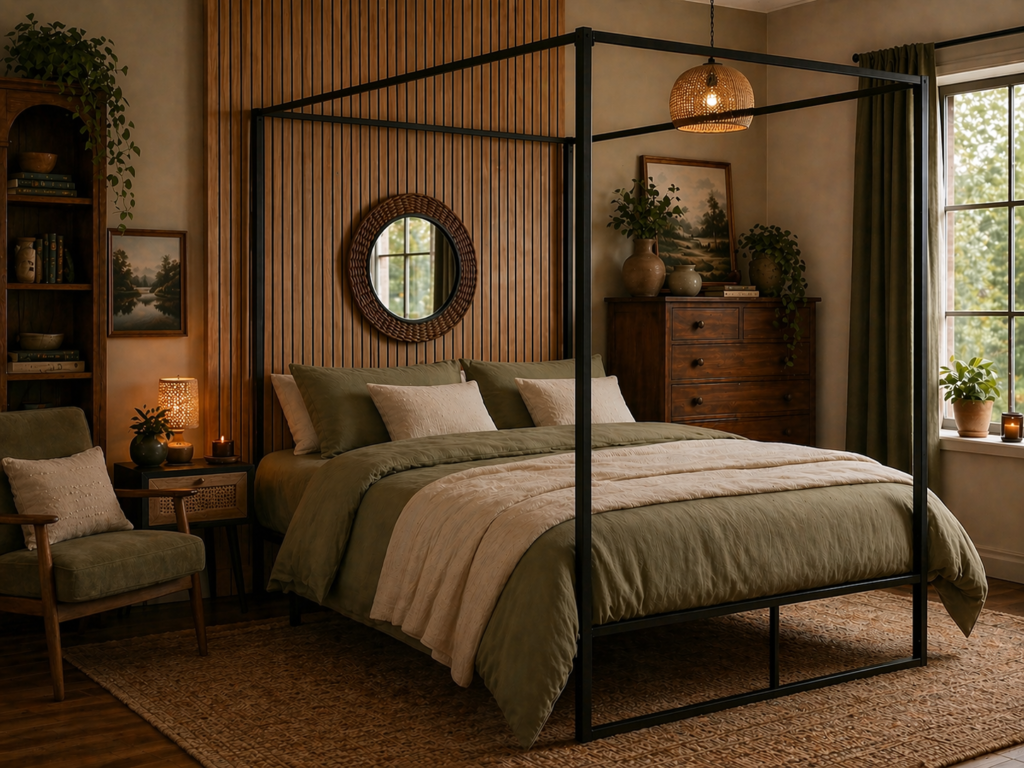
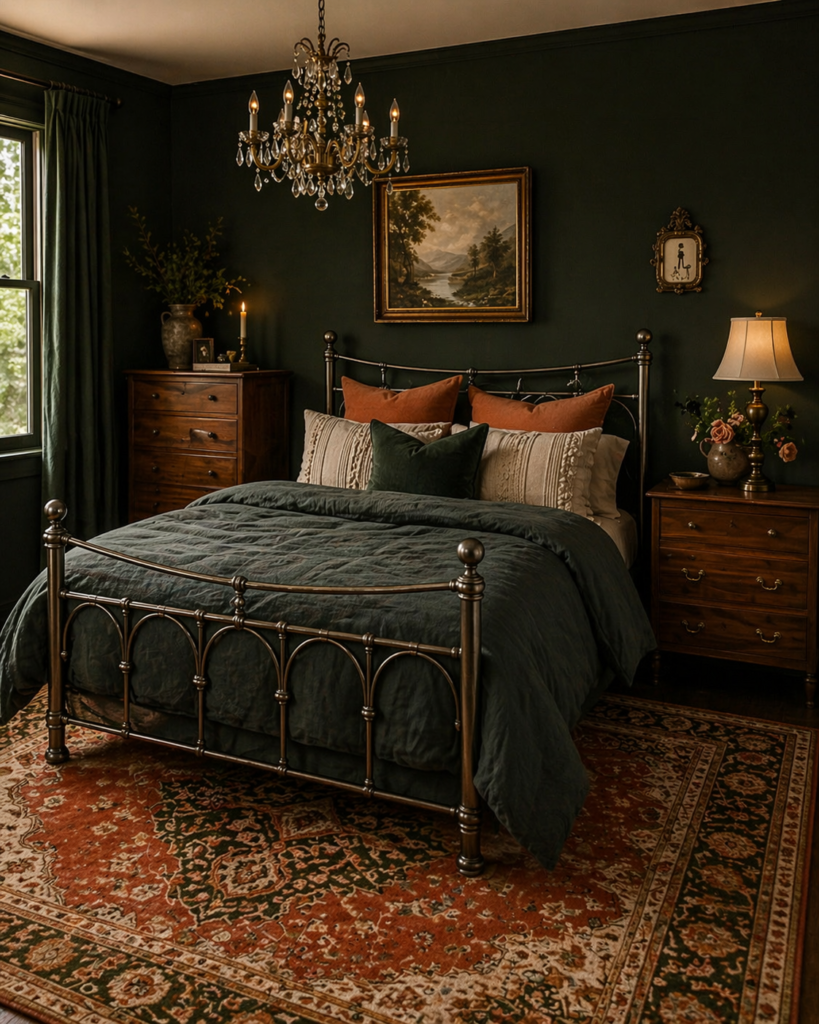
Dark bedrooms are having a moment right now, and I am fully here for it. Deep charcoal walls, inky greens, rich burgundy. When done well, a dark bedroom is one of the most genuinely beautiful things you can create in a home. The key is commitment. Half-dark does not work. The bed frame needs to do one of two things: disappear into the drama, or become the counterpoint to it. A slim black metal frame against a dark wall creates a quietly architectural effect I find really compelling. A pale upholstered frame set against a deep wall creates a beautifully considered contrast.
What works
Slim black metal frames or pale upholstered frames as deliberate contrast. Four-poster frames with genuine architectural presence.
What to avoid
Pale wooden frames. They look washed out against a dark wall rather than considered. Anything overly decorative.
Pair with
Velvet or bouclé bedding in deep tones, layered lighting, heavy curtains that pool on the floor, art that surprises you.
Worth knowing
Metal frames are genuinely one of the best practical choices for this aesthetic, and not just because they look right. The slim, open construction means they carry very little visual mass, which stops a dark room from feeling claustrophobic. The drama comes from the walls and the lighting, not from the frame itself. That is a useful distinction to hold onto when you are shopping.
Rooted, considered, slightly nostalgic without being precious. A room that feels like it has a history.
I think traditional bedrooms are the most misunderstood aesthetic in interiors. People hear traditional and picture chintz and fuss and a room that looks like a 1987 showhome. That is not what I mean. What I mean is a room that has warmth and depth and character, that feels like it was put together slowly, with care, over time. This is the aesthetic where you can, and absolutely should, invest in a frame with genuine design confidence. The kind of frame that improves with age rather than dating quickly.
What works
Heritage detailing, engraved castings, antique finishes, buttoned upholstery. Brass, bronze, nickel, and carved wood all belong here.
What to avoid
Anything too contemporary or minimal. A sleek matte black frame in a heritage room looks like it arrived in the wrong decade.
Pair with
Proper pattern, wallpaper if you can, layered textiles, antique pieces mixed with new, real curtains that hit the floor, warm lamp light only.
Worth knowing
Heritage frames, particularly good quality metal ones, are often among the most durable in any range. The construction methods that give them their character, proper castings, quality finishes, solid materials, are the same ones that make them last. Choosing this aesthetic and choosing longevity are not in tension with each other. They are the same decision.
Easy, warm, unhurried. The kind of room that makes you slow down as soon as you walk into it.
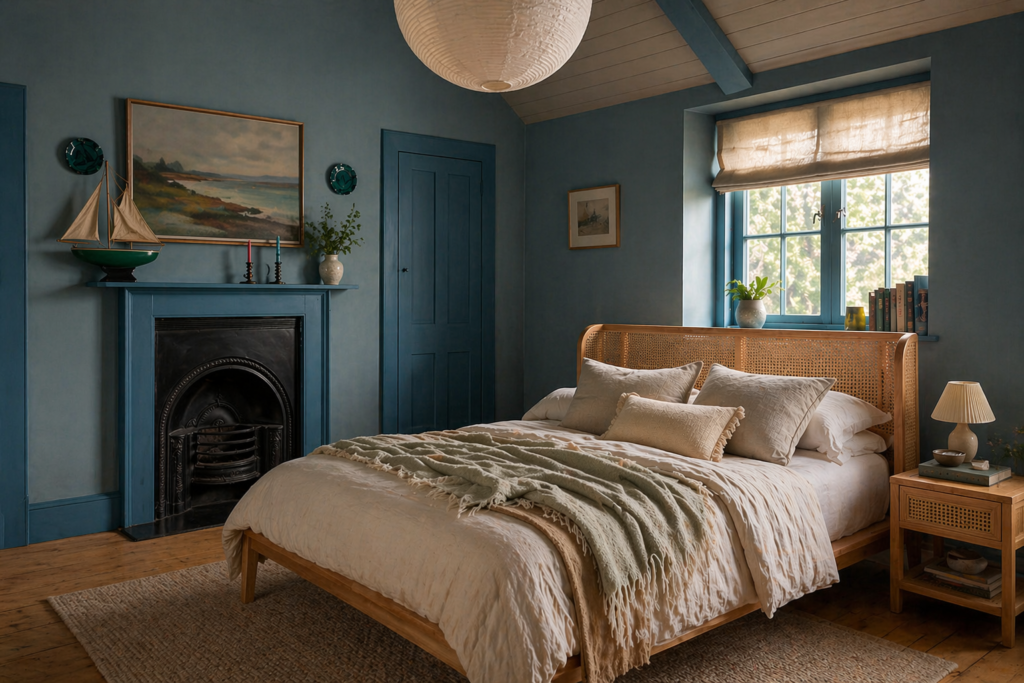
Coastal interiors have moved a long way from the navy and white stripe shorthand that defined them for years. The coastal bedroom I am interested in now is more organic than nautical. Natural materials, warm sandy tones, texture everywhere, a sense of light and air. Rattan is the defining material of this aesthetic, and rattan bed frames are one of the best design decisions you can make here. The woven panels add warmth and texture without visual weight, open and organic in a way that connects the room to the natural world outside it.
What works
Rattan headboards, natural wood frames in warm finishes. Low-profile frames that feel grounded rather than imposing.
What to avoid
Anything too polished, too perfect, or too urban. Lacquered finishes and sharp lines belong in a different kind of room.
Pair with
Undyed linen, jute rug, wicker accents, warm whites and sandy tones on the walls, as much natural light as possible.
Worth knowing
Rattan is one of the most practical headboard materials available. It is durable, easy to clean, and resistant to the kind of wear that upholstered frames can show over time. The organic quality that makes it look right in a coastal room is the same quality that makes it hold up well. It is also naturally breathable, which matters more than people think in a bedroom.
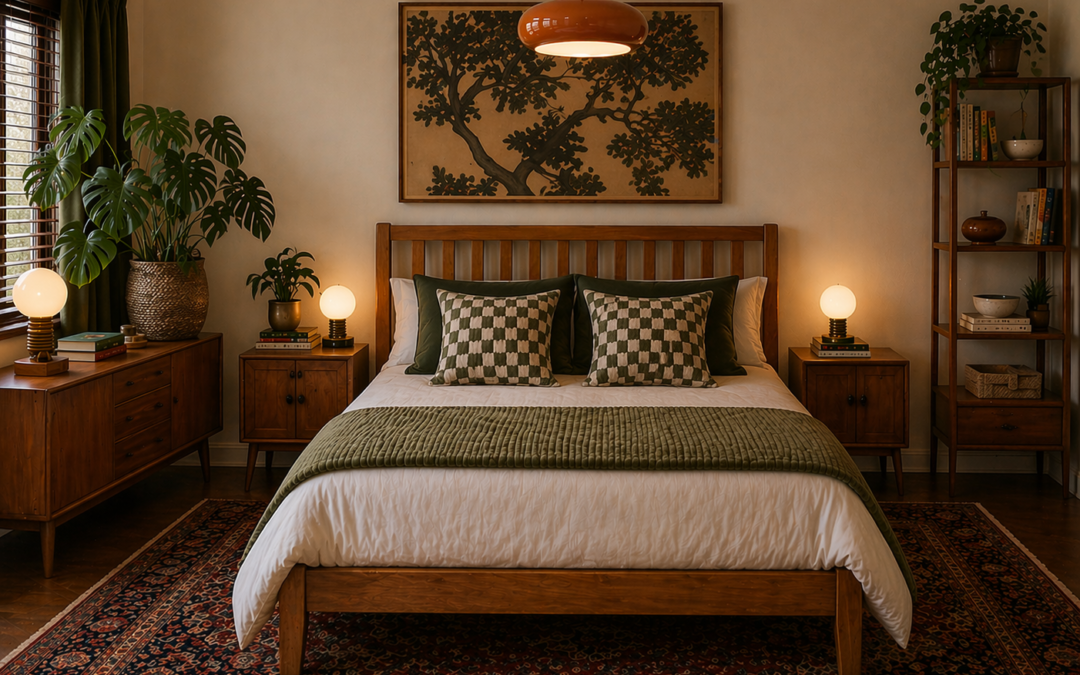
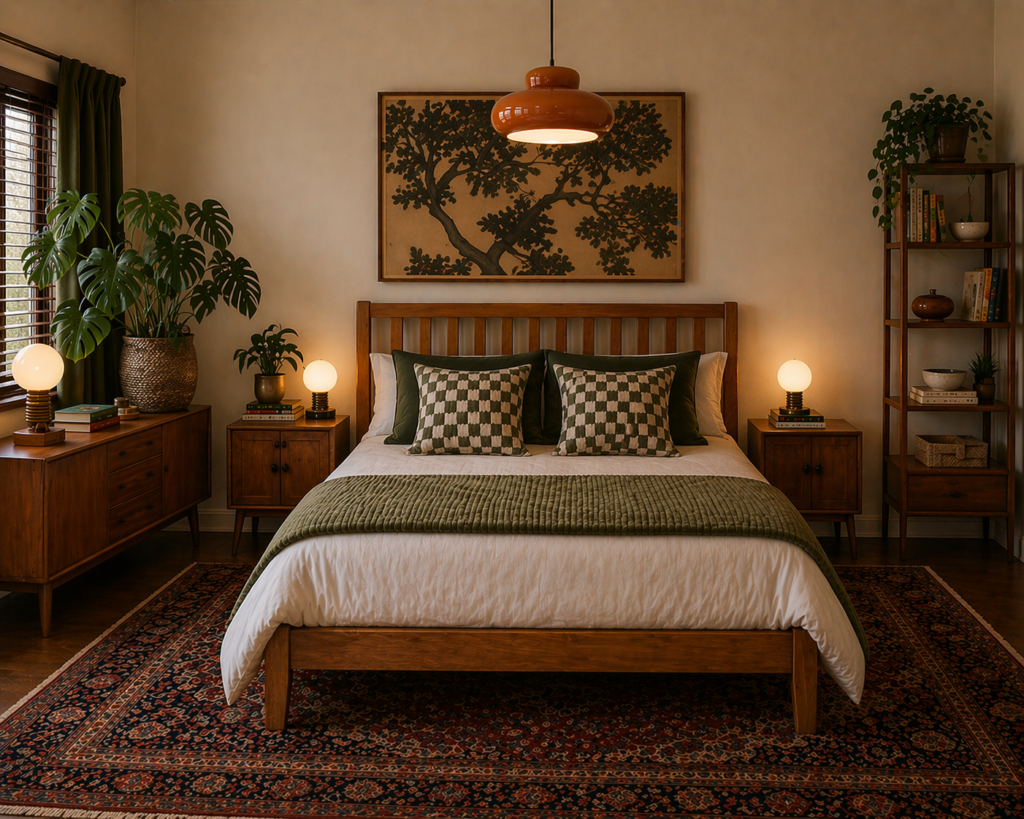
Exuberant, layered, completely personal. A room that has the confidence to do a lot and make it all work.
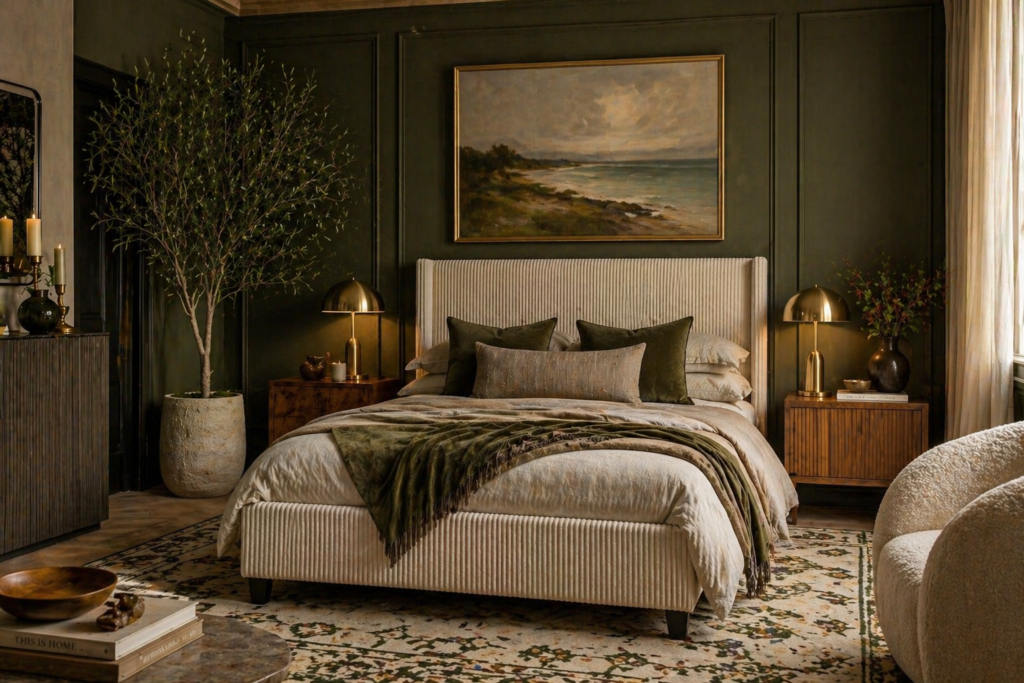
Maximalism is not chaos. This is the most important thing I can tell you about this aesthetic, and the thing that most people get wrong. A maximalist bedroom is not a room where everything has been thrown together. It is a room where everything has been chosen deliberately, where the layering is intentional, and where the overall effect is rich and personal rather than overwhelming. The bed frame needs to anchor the whole thing. This is the room where you go big, a tall upholstered headboard with a strong silhouette, a deeply coloured velvet, a frame with genuine drama.
What works
Tall upholstered headboards in rich fabrics and confident colours. Strong silhouettes that give the room a clear focal point.
What to avoid
Anything too understated. A deliberately minimal frame in a maximalist room does not read as contrast, it looks unfinished.
Pair with
Layered bedding in complementary tones, pattern mixed with pattern, meaningful art and objects throughout.
Worth knowing
A strong headboard frame does practical work in a maximalist room that goes beyond style. It creates a visual anchor that makes all the layering around it feel intentional rather than cluttered. The frame is what stops a richly decorated room from becoming overwhelming. It gives everything else a reference point to respond to. This is one of those rare cases where the most dramatic choice is also the most structurally sound one.
Elevated, calm, quietly exceptional. The hotel bedroom you keep trying to recreate at home.
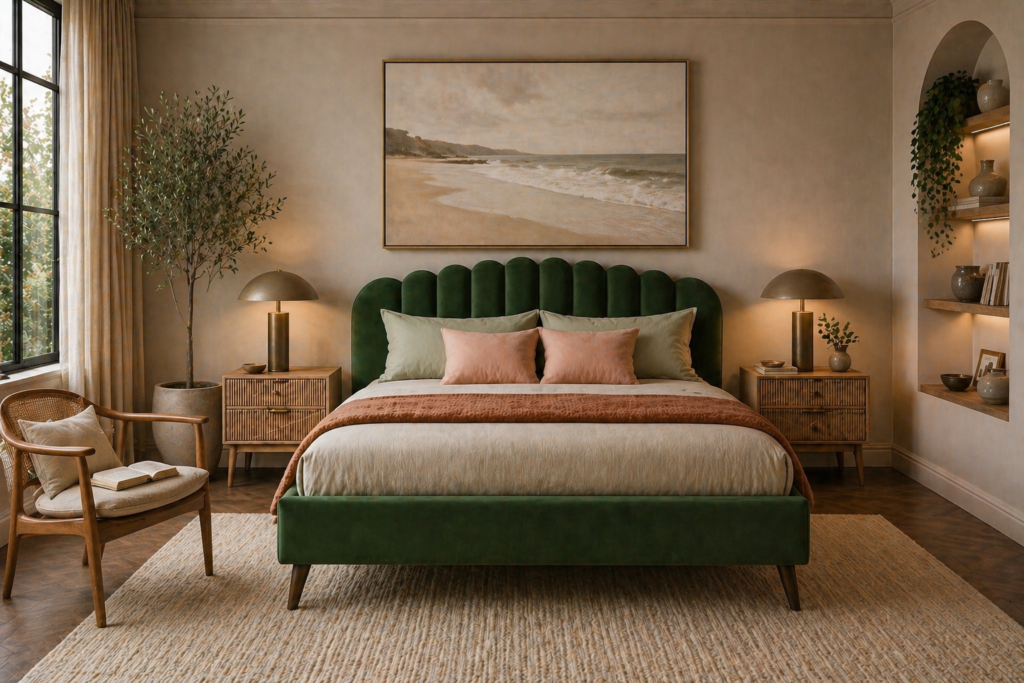
We all have this fantasy. The perfectly made bed, the precise lighting, the sense that every single element has been considered. The contemporary luxe bedroom is achievable, it just requires more editing than adding. Every piece needs to earn its place, and the quality of what remains needs to be genuinely good. The bed frame here is the non-negotiable investment. This is the room where the frame itself is the statement, and everything else supports it rather than competing.
What works
Upholstered frames with considered silhouettes, premium fabrics, velvet, linen, bouclé. Curved headboards bring softness that balances precision.
What to avoid
Anything budget or basic. The contemporary luxe aesthetic lives or dies on the quality of its anchor pieces. This is not the place to cut corners.
Pair with
High thread-count bedding in a single tone, disciplined bedding styling, lighting at multiple levels, always slightly more curtain than you think you need.
Worth knowing
The hotel bedroom aesthetic is built on quality and restraint in equal measure, and both of those things have practical consequences. A well-made frame at this level will outlast cheaper alternatives significantly, which makes the initial investment more defensible than it might first appear. And the discipline of keeping everything else simple means you spend less on accessories, not more. It is a more economical approach than it looks.
The best bedrooms we’ve ever seen rarely fit neatly into a single category, and we’d be doing you a disservice if we suggested they should. A heritage metal frame can sit beautifully in a room that’s otherwise contemporary. A rattan headboard works just as well in a Scandi scheme as it does in a coastal one. An upholstered frame in a deep velvet can anchor a room that’s mostly pale and minimal.
These categories are starting points, not rules. Use them to get clear on the direction you’re heading in, and then trust your instincts. The rooms that feel most personal and considered are almost always the ones where someone made a slightly unexpected choice and committed to it fully.
And if you’re still not sure, come and talk to us. This is exactly the kind of conversation we love having.
Alice brings a background in marketing, design, and branding to Land of Beds, where she focuses on making sleep advice simple, relatable, and practical for everyday life. She holds a degree in Graphic Design with a specialism in branding and design, giving her a strong understanding of how interior spaces, colour, layout, and environment can influence comfort, mood, and overall wellbeing.
Her creative background allows her to provide both expert bed and mattress guidance and bedroom design inspiration that helps customers create spaces that feel as good as they look.
Alongside her work in marketing and branding, Alice has collaborated with internationally recognised brands including Campari and Aperol, Paulaner, and Malfy, helping develop her expertise in consumer-focused communication and lifestyle content. She has also been trained by and works closely with leading UK bed and mattress manufacturers including Harrison Spinks, Hypnos, and Vispring, building extensive knowledge of mattress technology, sleep ergonomics, bedroom comfort, and sleep wellness.
Passionate about the life-changing impact of quality sleep, Alice creates content designed to help readers make informed decisions to improve their sleep environment, wellbeing, and everyday routine.