
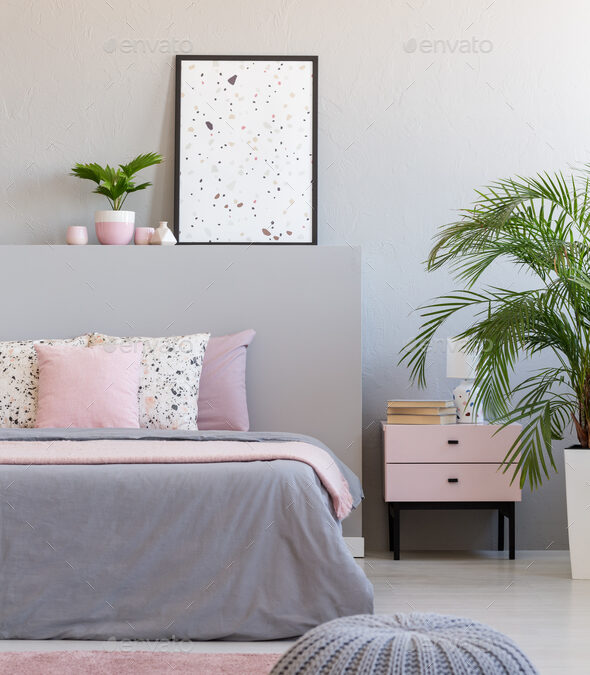
Looking for simple ways to sleep more peacefully? Adding a few houseplants to your bedroom could be the answer. Not only do they bring a touch of nature indoors, but many plants also improve air quality, regulate humidity, and create a calming atmosphere that helps you drift off naturally.
Tending to plants can be surprisingly therapeutic, too. Caring for greenery reduces stress, while a cleaner, fresher bedroom can make your nights more restful.
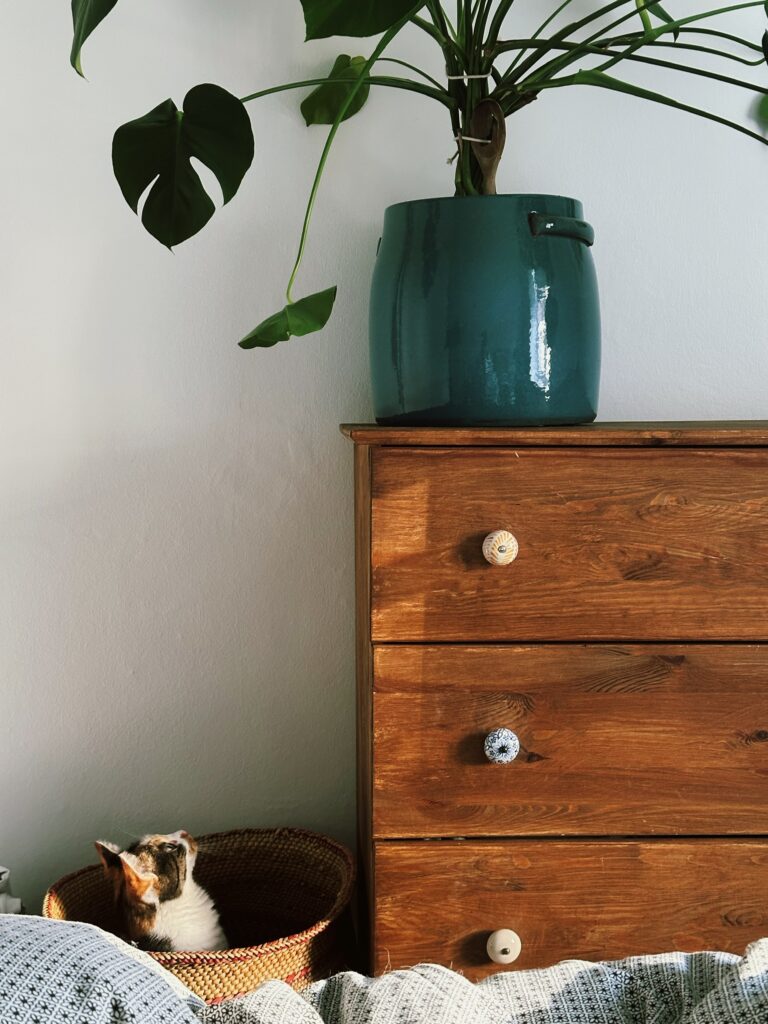
Top Bedroom Plants for Better Sleep
1. Lavender
Lavender is well known for its relaxing scent. It can help lower your heart rate and blood pressure, making it ideal for anyone who feels anxious at bedtime.
Dr O’Donnell, retired GP: “The aroma of lavender has a calming effect on the nervous system, helping people unwind and prepare for a more restful night.”
Tip: Place lavender on a sunny windowsill and water sparingly. Its gentle scent works best in dry, warm conditions.
2. Jasmine
Jasmine has small, fragrant flowers that can reduce anxiety and promote relaxation. Its sweet scent is perfect for anyone who struggles with stress at night.
Dr O’Donnell: “A subtle, soothing fragrance like jasmine can make it easier to switch off in the evening and feel calm before sleep.”
Tip: Place your jasmine near a window so the scent can drift through the room in the evening.
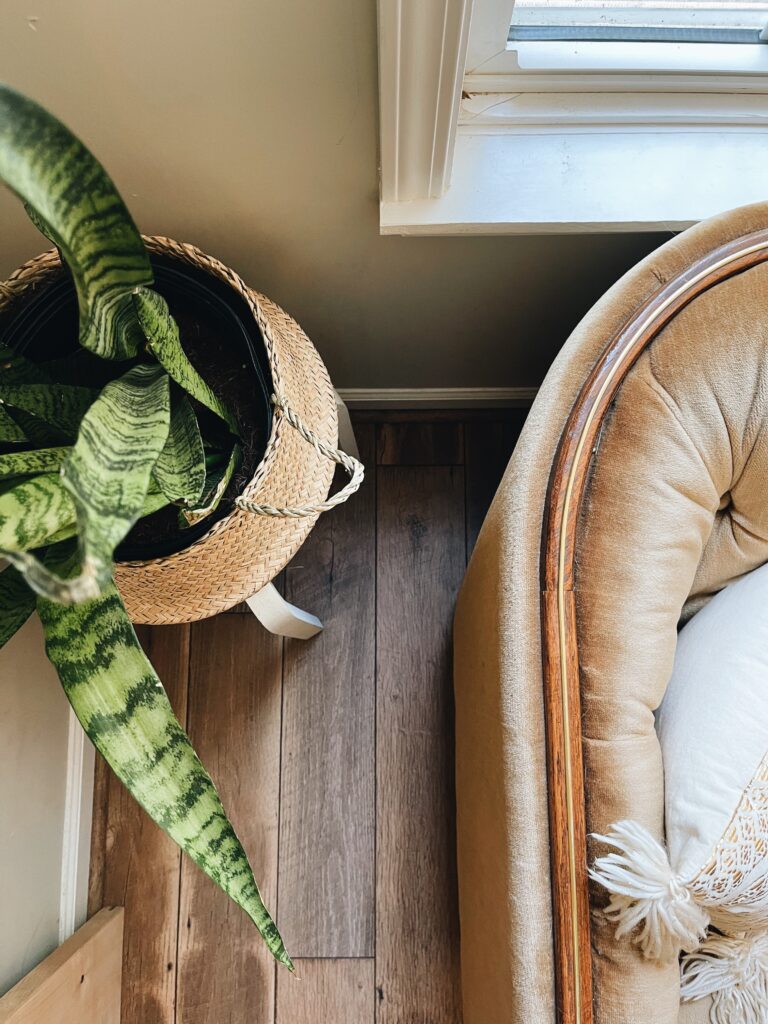
3. Snake Plant (Sansevieria)
Snake plants are excellent for purifying indoor air. They produce oxygen at night and remove chemicals like xylene, toluene, and formaldehyde.
Dr O’Donnell: “Cleaner air can make a noticeable difference to how well you rest. Snake plants are a simple way to support better breathing while you sleep.”
Tip: Place a couple of snake plants around your bedroom. Their upright leaves also add a striking visual feature.
4. Valerian
Valerian has a long history as a natural sleep aid. Its flowers release a mild scent that can support relaxation and occasional insomnia.
Dr O’Donnell: “Valerian’s natural aroma can encourage calm and help signal to your body that it’s time to wind down.”
Tip: Rub the leaves gently between your fingers before bed to release the scent. Keep the plant on a sunny windowsill for best growth.
5. Peace Lily
Peace lilies boost bedroom humidity, which can benefit dry skin, hair, and airways. They’re also effective air purifiers.
Dr O’Donnell: “Increasing humidity slightly can ease breathing during the night and help prevent irritation caused by dry indoor air.”
Tip: Mist the leaves occasionally to simulate a tropical environment and support healthier air.
6. Aloe Vera
Aloe vera produces oxygen at night and helps cleanse indoor air. It’s low-maintenance and perfect for beginners. Plus, the gel inside its leaves can be used for minor cuts, burns, or dry skin.
Dr O’Donnell: “Plants that release oxygen overnight can subtly improve the quality of the air you breathe while sleeping, which may help you feel more refreshed in the morning.”
Tip: Keep aloe in a sunny spot and water sparingly.
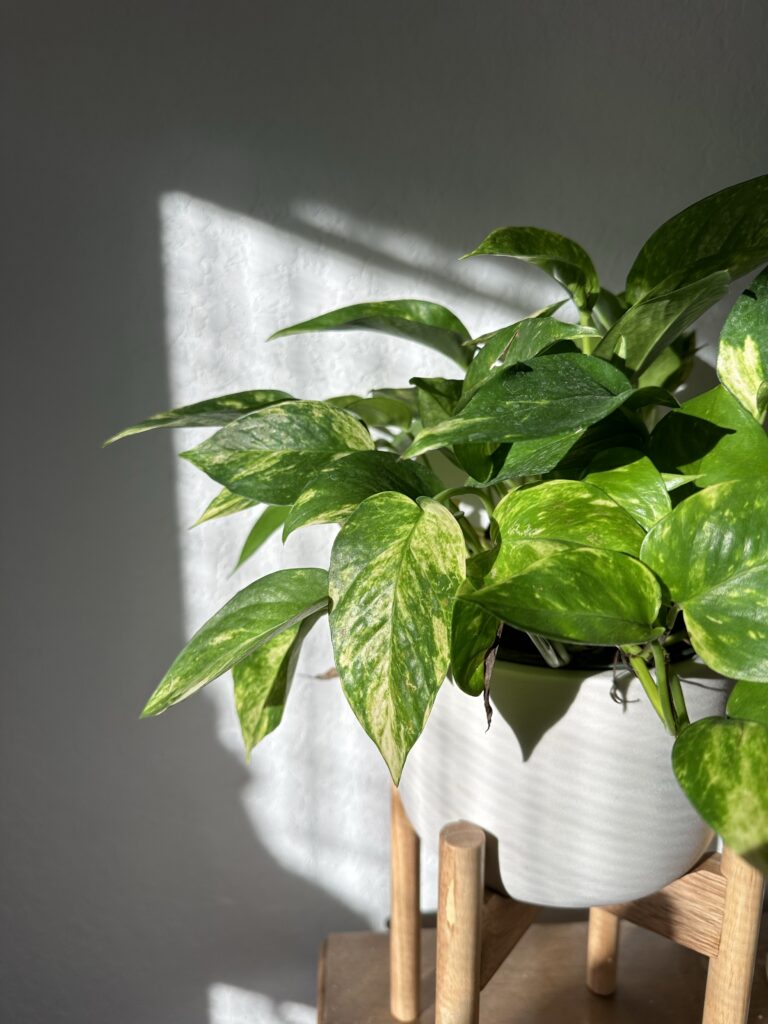
7. Golden Pothos
Golden Pothos, or Devil’s Ivy, is excellent at removing airborne mould and bacteria. It grows beautifully in hanging baskets, making it stylish and practical.
Dr O’Donnell: “Reducing airborne mould in your bedroom can lower allergy symptoms and support uninterrupted sleep.”
Tip: Trim the vines regularly to encourage fuller growth and prevent them from trailing too far.
8. Spider Plant
Spider plants are hardy, low-maintenance, and help purify the air. Caring for them can also reduce stress, making them a great choice for promoting calm and restful sleep.
Dr O’Donnell: “Looking after plants like the spider plant can have a relaxing effect, which contributes to better sleep and overall wellbeing.”
Tip: Place them in a hanging pot or on a high shelf for a decorative touch that saves surface space.
9. Areca Palm
he feathery fronds of the Areca Palm act as a natural humidifier while cleaning the air. Its lush green foliage adds a tropical feel to your bedroom.
Dr O’Donnell: “Plants that maintain humidity naturally can help prevent dry skin and respiratory irritation, supporting a more comfortable sleep environment.”
Tip: Position it in a bright corner to help maintain humidity and boost air quality.
10. Jade Plant
Jade plants are great for Feng Shui and can add a sense of balance to your bedroom. They’re low-maintenance and thrive in cooler winter conditions, making them perfect year-round.
Dr O’Donnell: “Even low-maintenance plants like jade can create a calmer atmosphere in the bedroom, which can help you feel more relaxed at night.”
Tip: Place your jade plant near a sunny window or in the southeast corner to align with Feng Shui principles.
11. ZZ Plant
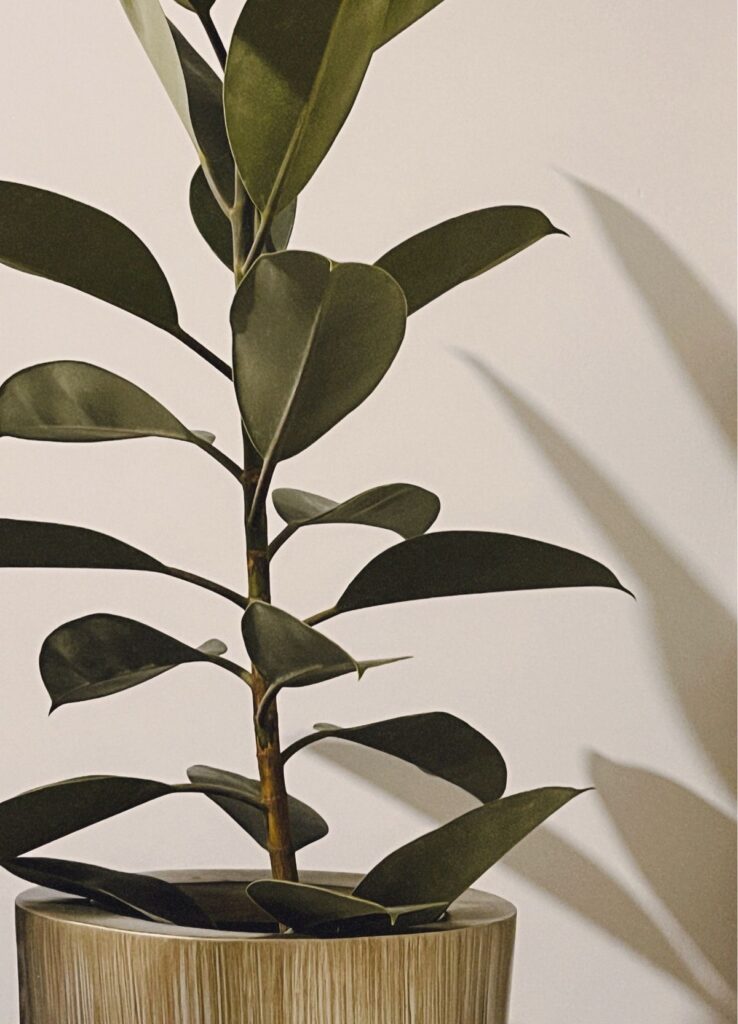
The ZZ plant is almost indestructible and adapts well to low light and dry air. Its glossy leaves add a sleek, calming aesthetic to the bedroom.
Dr O’Donnell: “Low-maintenance plants like the ZZ can create a serene environment without requiring much effort, which helps support better rest.”
Tip: Water sparingly and rotate occasionally to ensure even light exposure.
12. Christmas Cactus
This festive variety blooms in winter, adding vibrant colour when daylight is limited. Its bright flowers can lift mood and bring a cheerful touch to the bedroom.
Dr O’Donnell: “Even small bursts of colour in your bedroom can have a positive effect on mood and stress, which can help you relax and sleep more soundly.”
Tip: Keep in indirect sunlight and water moderately; its blooms are best with cooler night temperatures.
13. Chamomile
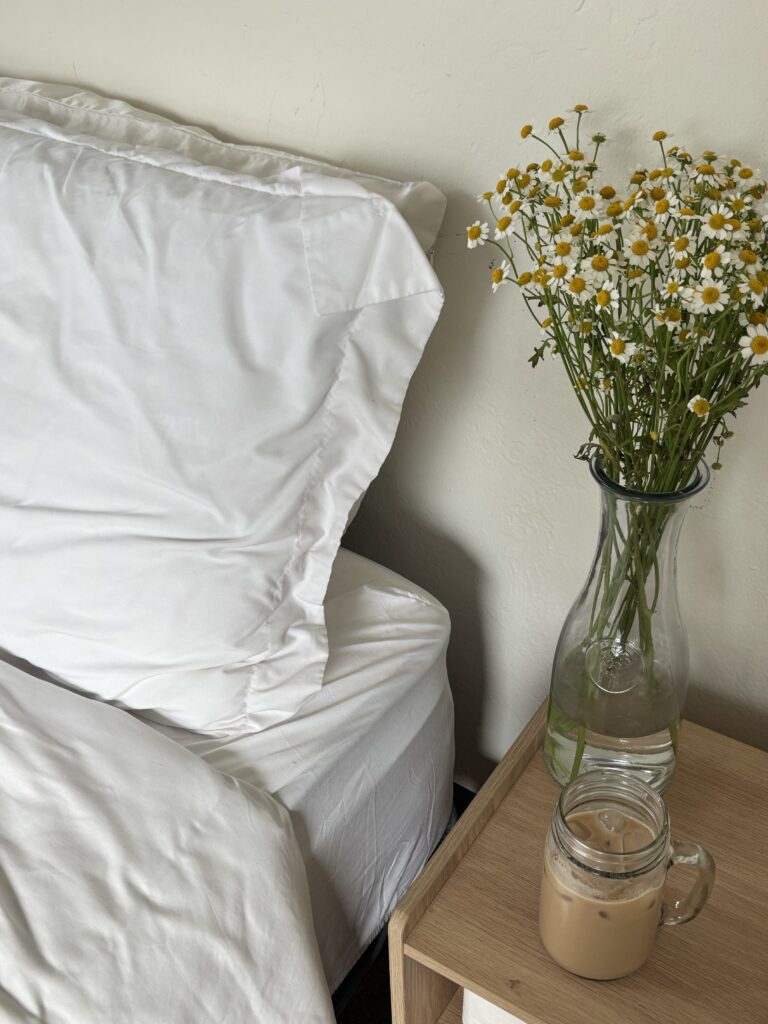
Chamomile isn’t just for tea; its gentle fragrance can help create a calming atmosphere in the bedroom. It’s known to reduce stress and encourage a sense of calm before bedtime.
Dr O’Donnell: “A subtle, soothing scent in the bedroom, like chamomile, can signal your brain that it’s time to unwind, making it easier to fall asleep.”
Tip: Keep near a window for sunlight and enjoy its subtle fragrance in the evening to relax naturally.
Seasonal Tips
- Summer: Lavender, jasmine, and aloe vera love bright light and warmer temperatures. Keep them near a window or in a sunny corner.
- Winter: Succulents, jade plants, and spider plants tolerate lower light and drier air. Water them sparingly and rotate them toward any available sunlight.
The Bottom Line
Adding a few houseplants to your bedroom isn’t just about style, it’s about creating a space that supports better sleep, cleaner air, and a calmer mind. Whether you choose air-purifying snake plants, soothing lavender, or low-maintenance succulents, a little greenery can make a big difference to your nights and overall wellbeing.
Dr O’Donnell: “Even simple arrangements of two or three plants near your bed can make a difference to air quality and stress levels, helping support better sleep.”
Tip: Keep pathways clear and avoid overcrowding. You want your bedroom to feel like a peaceful sanctuary, not a jungle!
Written by Judith Ackers
Judith brings her background in psychology, neuroscience, and education to her role at Land of Beds, where she shares expert advice to help customers sleep better. From product buying guides to bedtime routines and sleep-friendly habits, Judith’s insights support Land of Beds’ mission to improve sleep for everyone.
Approved by Dr O’Donnell
Dr O’Donnell is a retired General Health Practitioner with over 30 years of experience in the NHS. Her extensive background in patient care, health education, and preventative medicine brings trusted medical insight to the content we share. Dr O’Donnell has reviewed and approved this blog to ensure the information supports our commitment to promoting healthier sleep and wellbeing.