

As summer draws to a close and the nights begin to cool, it’s the perfect time to prepare your bed for the change in seasons. Just as we swap lightweight clothing for knitwear and bring the heating back on, our bedding should change too.
But knowing what bedding to use in autumn isn’t always straightforward. Should you change your duvet? Is it time for a higher tog? Are brushed cotton sheets really warmer? And how do you make your bed feel cosy without waking up too hot in the middle of the night?
The good news is that preparing your bed for autumn doesn’t mean replacing everything overnight. A few well-chosen changes can make a noticeable difference to your comfort, helping you sleep more soundly as the temperatures begin to fall.
At a Glance
- Swap to the right duvet tog as temperatures begin to fall.
- Choose breathable bedding that keeps you warm without overheating.
- Layer your bed instead of relying on one heavy duvet.
- Refresh your pillows, mattress protector and bedding for the new season.
- Make small changes that help you sleep comfortably right through autumn and winter.
In this guide, we’ll walk you through everything you need to know about transitioning your bedding from summer to autumn, from choosing the right duvet and bedding fabrics to layering your bed, caring for your mattress and creating a bedroom that’s ready for the cooler months ahead.
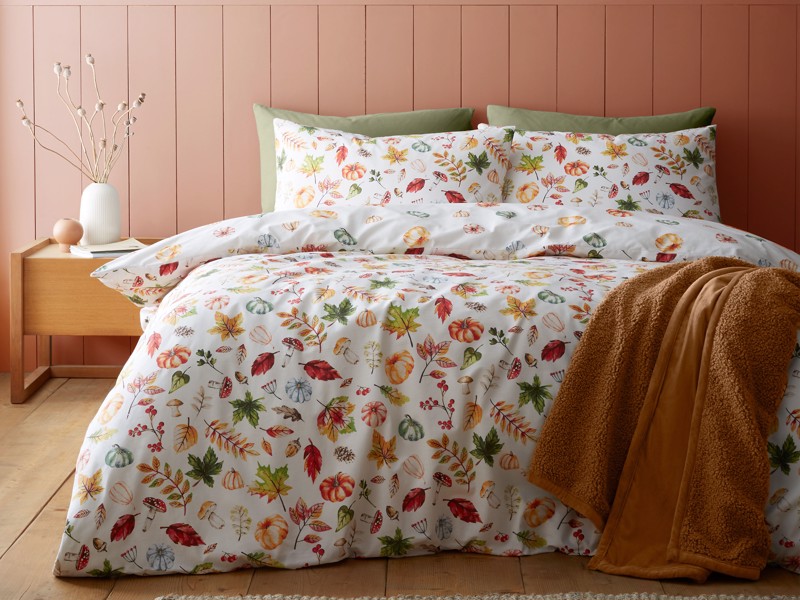
When Should You Change Your Bedding for Autumn?
One of the biggest misconceptions about seasonal bedding is that you need to make all of the changes at once. In reality, autumn arrives gradually, and your bedding should too.
September in the UK can still bring warm evenings, while October and November often feel noticeably cooler. Instead of packing away all of your summer bedding overnight, it’s usually better to make small changes as the temperature drops. That way, you’re far less likely to find yourself waking up either too hot or too cold.
A Simple Autumn Bedding Timeline
| Time of Year | What We’d Recommend |
|---|---|
| Early September | Keep your summer duvet if temperatures are still warm, but have an extra blanket ready for cooler nights. |
| Late September to October | Swap to a warmer duvet and begin layering your bedding as the nights become cooler. |
| November | Your full autumn and winter bedding setup should now be in place, ready for colder overnight temperatures. |
Our Advice
Try not to think of autumn as a single date in the calendar. Instead, let the weather guide you. Building your bed up in layers over a few weeks is often far more comfortable than making one dramatic change all at once.
Choosing the Right Duvet Tog for Autumn
If there’s one bedding change most people make as the seasons change, it’s swapping their duvet. But choosing the right tog isn’t about finding the warmest option available. It’s about finding one that’s warm enough to keep you comfortable without causing you to overheat halfway through the night.
As a general rule, most people find that an autumn duvet tog of around 10.5 offers a comfortable balance as the nights become cooler. If you tend to sleep warm, you may be perfectly happy with a lower tog for a little longer, while colder sleepers may prefer to add an extra blanket before switching to a heavier winter duvet.
Duvet Tog Guide
| Tog Rating | Best For | Typical Season |
|---|---|---|
| 4.5 Tog | Hot sleepers and warm nights. | Summer |
| 7.5 Tog | Those who naturally sleep warm. | Late summer & early autumn |
| 10.5 Tog | A comfortable choice for most households. | Autumn |
| 13.5 Tog | Colder bedrooms and those who feel the cold. | Winter |
| All Seasons | Sleepers who prefer one duvet throughout the year. | Year-round |
Is It Worth Choosing an All Seasons Duvet?
If you find yourself changing duvets every spring and autumn, an All Seasons duvet could be worth considering. These combine a lighter summer duvet with a warmer autumn and winter duvet, allowing you to adjust your bedding as the weather changes instead of buying separate duvets for each season.
Whichever tog you choose, remember that the filling is just as important as the warmth rating. Natural fillings such as wool and down tend to offer excellent temperature regulation, while modern synthetic duvets are often lightweight, easy to care for and ideal for allergy sufferers. You can explore our full range of duvets to compare the different options available.
Layer Your Bed, Don’t Just Make Your Duvet Thicker
As the weather gets colder, it’s easy to assume the answer is simply buying the warmest duvet you can find. In reality, layering your bedding is often a much more comfortable way to transition into autumn and winter.
British weather can be wonderfully unpredictable. One week you’re sleeping with the bedroom window open, the next you’re wondering whether it’s time to put the heating on. Having a few lightweight layers means you can adapt your bed as the temperature changes, rather than committing to one duvet that’s either too warm or not quite warm enough.
Build Your Autumn Bed in Layers
| Step 1 | Swap to a slightly warmer duvet when the nights begin to cool. |
| Step 2 | Choose breathable bedding that feels comfortable against your skin without trapping too much heat. |
| Step 3 | Keep an extra blanket folded at the end of the bed for particularly chilly nights. |
| Step 4 | Adjust the layers as the season changes instead of relying on one very heavy duvet. |
Why We Recommend Layering
Layering gives you much more control over your sleep environment. If the temperature drops unexpectedly, you can add an extra blanket. If you wake up feeling too warm, you can remove a layer without having to change your entire duvet. It’s a simple approach that makes your bedding much more adaptable throughout autumn and winter.
Layering also works particularly well if you share a bed. One person can stay cosy with an extra blanket, while the other sleeps comfortably underneath the duvet, making it easier to cater for different sleeping temperatures without compromising on comfort.

The Best Bedding Fabrics for Autumn
A warmer duvet is only part of the story. The fabric you sleep under every night has a big influence on how comfortable your bed feels, especially as the seasons begin to change. Some materials help trap warmth, while others allow heat and moisture to escape more easily.
Rather than choosing the thickest bedding you can find, think about how you naturally sleep. If you often wake up feeling too warm, breathable fabrics may be a better choice than heavily insulating ones. If you’re someone who always feels the cold, softer, warmer materials can make your bed feel much cosier without needing an extra-heavy duvet.
Which Bedding Fabric Is Right for You?
| Fabric | Why You’ll Love It | Best For |
|---|---|---|
| Cotton | Naturally breathable, comfortable and suitable all year round. | Most households. |
| Brushed Cotton | Soft with a gently brushed finish that feels warmer against your skin. | Cool autumn evenings and winter nights. |
| Linen | Excellent temperature regulation, helping you stay comfortable as the weather changes. | People who tend to sleep warm. |
| Bamboo | Moisture-wicking, breathable and naturally soft. | Hot sleepers and those prone to night sweats. |
A Simple Rule to Follow
If you’re happy with your current duvet but your bed still doesn’t feel quite right, changing your bedding fabric can sometimes have just as much impact. A good-quality duvet cover set in the right material can make your bed feel noticeably more comfortable without changing the rest of your sleep setup.
Don’t Forget the Rest of Your Bed
Changing your duvet and bedding is a great place to start, but autumn is also the perfect time to give the rest of your bed a little attention.
After a warm summer, pillows, protectors and mattresses can all benefit from a refresh. A few simple jobs now can help your bed feel cleaner, fresher and more comfortable as you settle into the colder months.
Your Autumn Bed Refresh
Wash your mattress protector
A fresh protector helps keep your sleep surface clean and gives you a good starting point for the new season.
Check your pillows
If they’ve become flat, lumpy or no longer feel supportive, autumn is a good time to replace them before winter.
Air your duvet
Give your duvet a good shake and air it thoroughly before putting it back on the bed, especially if it’s been stored away over summer.
Rotate your mattress if the manufacturer recommends it
Rotating your mattress can help encourage more even wear and is an easy job to add to your seasonal reset.
It’s also worth checking the care instructions for your own mattress and bedding before washing, rotating or storing anything. Different materials can have very different requirements, so the manufacturer’s guidance should always come first.
One Last Thing
You don’t need to completely rebuild your bed for autumn. Start with the things that will make the biggest difference to your comfort, then adjust your bedding gradually as the nights get colder. The best seasonal setup is one that keeps you warm enough to relax without leaving you waking up too hot.
If your pillows or mattress protector are ready for a refresh, you can explore our pillows and mattress protectors alongside the rest of our bedding collection.
Final Thoughts
Small Changes For Cosier Nights
Preparing your bed for autumn doesn’t need to mean replacing everything at once. Start with the changes that will make the biggest difference to your comfort, then build up your bedding gradually as the nights get colder.
Whether that’s swapping your duvet, changing your bedding fabric or simply adding an extra layer, the aim is the same: creating a bed that feels warm, breathable and genuinely comfortable right through autumn and winter.
Continue Exploring
Ready to get your bed set for the season? Explore our bedding collection or read more expert advice from the Land of Beds Knowledge Hub.
Duvets
Find the right tog, filling and warmth level for autumn and winter.
Shop Duvets →Duvet Cover Sets
Refresh your bed with breathable, cosy bedding for the cooler months.
Shop Bedding →What Mattress Firmness Is Best for You?
Discover how comfort and support work together when choosing the right mattress.
Read the Guide →Types of Mattresses Explained
Compare different mattress constructions, materials and comfort technologies.
Read the Guide →
Written by Alice Littler
Alice brings a background in marketing, design, and branding to Land of Beds, where she focuses on making sleep advice simple, relatable, and practical for everyday life. She holds a degree in Graphic Design with a specialism in branding and design, giving her a strong understanding of how interior spaces, colour, layout, and environment can influence comfort, mood, and overall wellbeing.
Her creative background allows her to provide both expert bed and mattress guidance and bedroom design inspiration that helps customers create spaces that feel as good as they look.
Alongside her work in marketing and branding, Alice has collaborated with internationally recognised brands including Campari and Aperol, Paulaner, and Malfy, helping develop her expertise in consumer-focused communication and lifestyle content. She has also been trained by and works closely with leading UK bed and mattress manufacturers including Harrison Spinks, Hypnos, and Vispring, building extensive knowledge of mattress technology, sleep ergonomics, bedroom comfort, and sleep wellness.
Passionate about the life-changing impact of quality sleep, Alice creates content designed to help readers make informed decisions to improve their sleep environment, wellbeing, and everyday routine.