

Tossing, turning, waking up feeling terrible… sound familiar? Before you blame the usual suspects – stress, coffee, or a racing mind – consider this: your sleep problems might not be in your head. They might be in your bed. It turns out the real culprit could be hiding right under your duvet!
The Startling Truth About Britain’s Sleep Environment
After surveying 1,053 UK adults aged 18-99, we’ve uncovered the shocking truth about bedroom hygiene habits and the impact they may be having on our sleep quality and long term health. To understand the impact and how to fix it, we’ve teamed up with leading sleep expert Dr Nerina Ramlakhan and health expert Dr O’Donnell. What’s happening behind closed doors might just shock you.
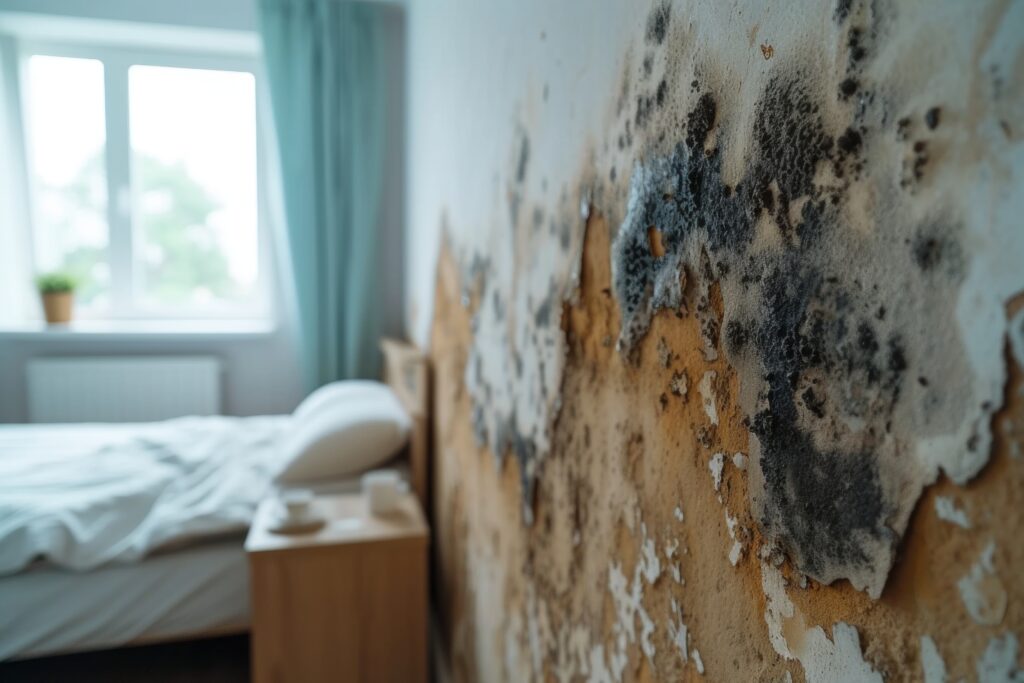
Britain’s Most Alarming Sleep Secrets
These statistics might leave you reaching for the laundry basket:
- A third of Brits have slept in the same bedsheets for over a month
- Around 1 in 6 have never washed their duvet or pillows
- 60% use their phones in bed before sleep
- 44% don’t shower before bed
- Close to a third eat in bed
- 22% have never cleaned their mattress
- Around 1 in 6 have mould or damp in their bedroom
- 77% of Brits get fewer than 7 hours of sleep per night
Beyond the unpleasant reality, these habits carry real health risks. From respiratory issues to skin conditions and disturbed mental health, your night-time rituals matter.
Modern Life and the Decline of Good Sleep Hygiene
Our research reveals that 77% of Brits get fewer than 7 hours of sleep per night, and nearly half (49%) rarely or never wake up feeling truly rested. But why is it so hard for so many of us to get a good night’s sleep?
According to leading sleep expert Dr Nerina Ramlakhan, the demands of modern life are a major factor. She explained: “The speed of life and demands – largely driven by technology – have led to our society becoming very rest-less. It has become the norm for many to work and be on the go relentlessly throughout the day, not taking breaks and working longer hours. When they go to bed at night, there is more work for the brain to do in order to consolidate the information taken in during the day resulting in more disordered and non-refreshing sleep.”
This non-refreshing sleep is something many of us know all too well and it can take a toll on our physical and mental wellbeing, as Dr O’Donnell explains: “Sleep is essential for both physical and mental wellbeing. It gives the body time to recharge and the mind space to process information. When we don’t get enough sleep, the effects can be felt quite quickly – low mood, poor concentration, and memory problems are common. Over time, lack of good-quality sleep may increase the risk of more serious health issues, including type 2 diabetes, heart disease, and problems with immune function.”
Try the 9:30PM Rule for Better Sleep Hygiene
Want to improve your sleep tonight? Dr Ramlakhan explains: “9.30pm is when our brain and body is perfectly aligned physiologically with the environment. This is the best time to transition from the busyness of the day and start the process of resting. The person doesn’t need to be asleep at this time but rather, winding down, reading something relaxing or meditating.”
The Hidden Risks Lurking In Our Bedding
Our survey also found that Brits aren’t washing their bedding as often as they should:
- Only 36% change their bedsheets every two weeks
- Nearly 1 in 5 change their sheets less than once a month
- A third have admitted to sleeping in the same sheets for over a month
- Around 1 in 6 have never washed their pillows or duvet
Maria Jones, Sales Director/Omni-Channel Bedding Expert at Land of Bed, explains why this matters: “Dead skin, sweat, and body moisture can build up quickly. Ideally you should wash your bedding regularly otherwise you risk creating a breeding ground for bacteria, dust mites and mould which often thrive in these environments. Pillow hygiene is vital too and using a washable pillow protector is a must. Neglecting them can lead to more allergies, acne, asthma flare-ups, and even respiratory issues.”

How Phones Are Wrecking Quality Sleep
If you scroll your phone in bed, you’re not alone as we found that 60% of people use their phone before bed. But that habit could be harming your ability to get good sleep.
Dr Ramlakhan warns: “A significant reason why so many are going to bed too late and not waking up energised is nighttime scrolling and looking at social media and the news. When people go onto their electronic devices before bedtime, the nervous system becomes over stimulated, often causing them to worry about work or the state of the world or they compare themselves and their lives with what they see on social media which creates feelings of low self-esteem and self- worth. None of this is conducive to getting a good night’s sleep.
Many people also look at their phones during the night when they wake up and then find themselves unable to get back to sleep. It is completely normal to wake during the night but not desirable to stay awake and it is the checking of phones that often impairs the process of getting back to sleep.”

Pets in Bed: Comforting or Disruptive?
Britain loves its pets, but letting them share your bed might not be the best idea for restful sleep. As we found that 28% of people let their pets sleep in their bed, Dr O’Donnell cautions: “Pet dander can trigger allergies and disrupt sleep with movement and noise. For young children, pets in bed also pose serious safety risks including infections or suffocation.”
Dr Ramlakhan agrees that pets can trigger allergies and carry germs, so she advises those who sleep with their pets to ensure regular vet visits and keep them clean and well-groomed. However, she also believes that sleeping with pets can be beneficial for people with mental health conditions whose sleep may be more disturbed, such as PTSD, as pets can provide a sense of safety and comfort and help boost levels of the hormone oxytocin.

The Midnight Snack That Keeps You Awake
With 29% admitting to eating in bed, snacking in bed may feel comforting, but it works against your body’s ability to sleep well.
Dr O’Donnel explains: “Eating close to bedtime or in bed can affect sleep quality and disrupt your sleep pattern. This is often due to issues like acid reflux and indigestion, which can be triggered by lying down with a full stomach. It puts extra strain on the digestive system and can make it harder to relax and fall asleep. Caffeine and alcohol can also act as stimulants and interfere with sleep.
From a hygiene perspective, eating in bed can create a breeding ground for bacteria. Crumbs may attract pests like ants or cockroaches, and food can leave stains or odours that require more frequent changing of bed linen. In general, it’s best to avoid eating in bed to help maintain a clean, healthy, and restful sleep environment.”

The Simple Shower Trick You Might Be Missing
Want to fall asleep faster? Dr Nerina advocates that a warm shower 1-2 hours before bed helps lower your core body temperature, a signal to your brain that it’s time to sleep. She explained: “The warmth of a bath or shower opens up the blood vessels, bringing a large blood flow to the surface of the body, especially in the hands and feet. This sends the body into cool down mode which sends a message to the circadian timer that it is time to sleep. Baths containing magnesium salts can also facilitate muscle relaxation and alleviate aching joints which enables more restorative sleep.”
She also highlights the mental benefits of washing the day away, saying; “Many people find that having a shower or bath at the end of the day helps to psychologically wash the day off and let go of any stresses or worries from the day. I advise my clients to be very intentional in this process and if they’ve had a stressful day, to imagine showering the stress off them and cleansing from any negative thoughts or interactions they’ve had. I advise them to do this even if they’ve already had a shower at the beginning of the day.”
However, with our research showing that 44% of people admitted to not showering before bed, Dr Nerina also explained why this might be: “Conversely, having a hot bath just before you go to bed can actually wake some people up. In other words, the heat acts as a stimulant so it’s important to know how your body responds to heat and to get the timing right.”

What’s Lurking Beneath Your Sheets?
Shockingly, 22% of Brits have never cleaned their mattress and just over a quarter only clean it once a year. Add in dust mites, allergens, and sweat, and it becomes a serious threat to your sleep hygiene.
If your mattress is over 10 years old – like 11% of respondents – or sagging and lumpy, it’s time for a change.
Maria Jones from Land of Beds advises, “We spend about a third of our lives in bed – that’s around 20,000 hours in just seven years! Over time, even the best mattresses naturally wear down, losing the comfort and support your body needs for quality sleep. That’s why we recommend replacing your mattress every 7–8 years. If you’re waking up with back ache, sneezing, or if your mattress looks as though it’s sagging or lumpy it could be time to renew. A mattress protector can extend its life and help maintain a clean sleep surface.”
It’s just as important to remember to clean under your bed and ventilate your bedroom regularly as 12% of Brits never clean under their bed, 13% do it just once a year, and 24% only manage it around every six months. While it might not be at the top of your to-to list, neglecting this area can lead to a build-up of dust and allergens that can affect your sleep and overall health.
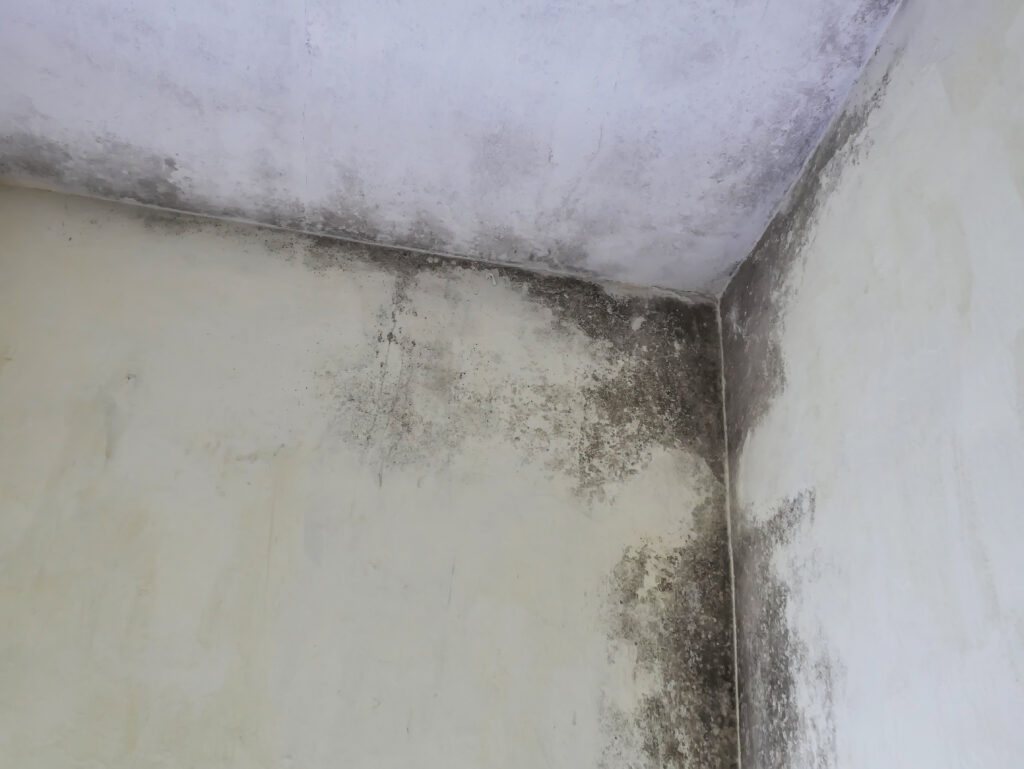
The Silent Threat: Mould in the Bedroom
Around 1 in 6 bedrooms in the UK show signs of damp or mould. That’s not just unpleasant – it’s dangerous.
Dr O’Donnell commented: “Mould increases the likelihood of developing respiratory infections, allergies, and can negatively impact the immune system over time. Some groups are especially sensitive to mould exposure, including babies, children, older adults, and people with existing respiratory or skin conditions. Those with weakened immune systems – such as individuals undergoing chemotherapy – are also more vulnerable to its effects. To protect your health, it’s important to identify and address damp or mould issues as soon as possible, especially in the room where you sleep.”
If you spot mould, treat it as a health emergency. A clean, ventilated bedroom is essential for healthy sleeping.

The Takeaway: Restful Sleep Is Not a Luxury
Sleep underpins your mood, memory, health, and wellbeing. Poor sleep hygiene and neglected bedroom habits are silently damaging lives.
If your mattress is older than your smartphone, it’s time for an upgrade. If you haven’t changed your sheets in a month, wash them tonight. If scrolling is your way to unwind, reconsider your routine.
Let Us Help You Sleep Better
At Land of Beds, we believe a good night’s sleep begins with the right sleep environment. If your mattress or pillows aren’t supporting you, we’re here to help you find what will. Because when your sleep improves – everything does.

Methodology
In June 2025, Land of Beds surveyed 1,053 respondents, both male and female aged between 18-99, in the following regions: East Midlands, London, North West, Northern Ireland, Scotland, South East, South West, Wales, West Midlands, Yorkshire And The Humber.
Responses were collected using Pollfish and Land of Beds internal database.
About Dr Nerina
Dr Nerina Ramlakhan is a physiologist and renowned sleep expert with over 25 years of experience helping people and organisations improve their sleep, resilience, and wellbeing.
Early in her career, she observed how modern life – driven by technology, globalisation and relentless pressure – was leaving many of her clients exhausted, burned out, and disconnected.
Her work is deeply rooted in both science and lived experience. After facing her own personal challenges, including a diagnosis of bipolar disorder and complex PTSD in her early 30s, Dr Nerina embarked on a profound healing journey. Through this, she discovered the power of making different choices and now uses that insight, along with science and philosophy, to help others sleep more deeply, overcome adversity and rediscover joy in everyday life.
About Dr O’Donnell
Dr O’Donnell is a retired GP with over 30 years of experience in general practice. She qualified in 1987 from the Royal College of Surgeons in Dublin, Ireland, and began her medical career as a House Officer at Whiston Hospital in Merseyside.
In 1988, she broadened her clinical experience by working at the Royal Brisbane Hospital in Australia. After returning to the UK, she completed three years of GP training and joined a partnership in 1993, where she provided dedicated patient care until her retirement in December 2023.
Dr O’Donnell is known for her practical, compassionate approach and her deep commitment to patient education and preventative health.
In her spare time, she enjoys reading, cooking, theatre, hiking, and has a strong interest in interior design.
About Maria Jones
Maria is the Sales Director/Omni-Channel Bedding Expert at Land of Beds.
With over 18 years of industry experience, Maria is a seasoned sales leader in the bed and mattress sector, bringing a wealth of knowledge across eCommerce, in-store retail, and B2B sales environments. Her career is defined by a deep understanding of omni-channel strategy and customer-centric selling.
Maria began her journey as a Customer Service Advisor, developing a first-hand appreciation for the needs of both customers and teams. Through consistent performance, people leadership, and strategic acumen, she progressed through key roles, ultimately becoming Sales Director. Her leadership today reflects a strong operational backbone and a clear vision for sales excellence.
Maria holds a Business Management degree, which has underpinned her ability to align commercial objectives with team development and customer success. She is especially passionate about delivering seamless buying experiences, driving growth through data-informed decisions, and coaching high-performing teams.
Whether managing sales strategy, enhancing customer journeys, or leading transformation projects, Maria brings integrity, insight, and a results-driven approach to every aspect of the business.
Written By Judith Ackers
Judith brings her background in psychology, neuroscience, and education to her role at Land of Beds, where she shares expert advice to help customers sleep better. From product buying guides to bedtime routines and sleep-friendly habits, Judith’s insights support Land of Beds’ mission to improve sleep for everyone.