
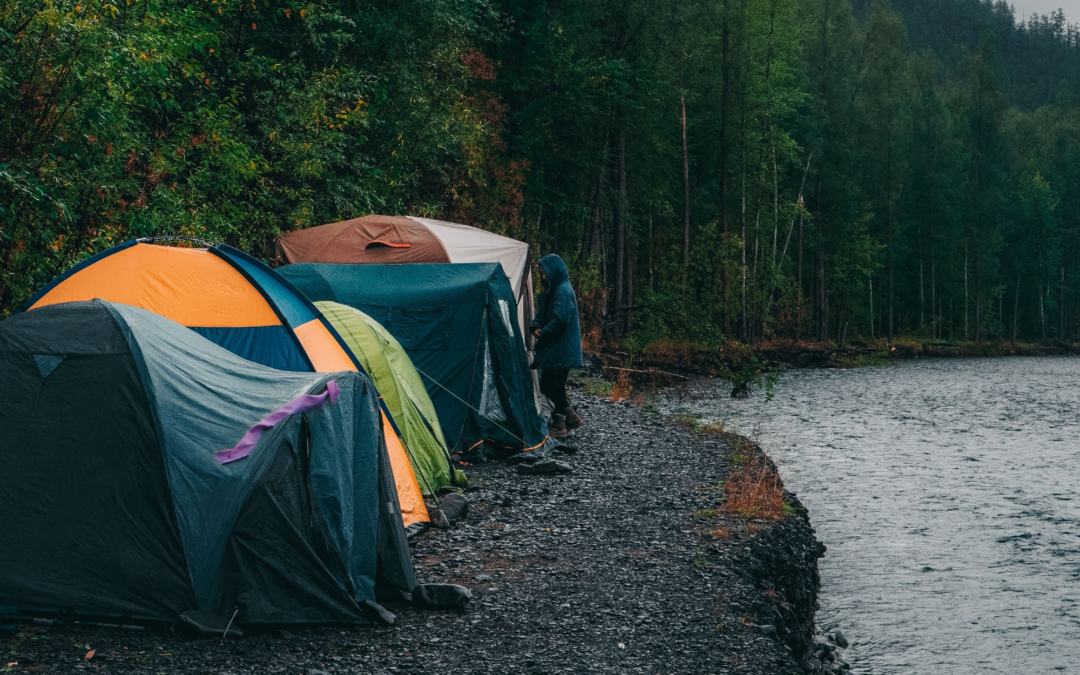
Camping is brilliant. Sleeping while camping? Sometimes that’s another story. One minute you’re sitting outside your tent watching the sun go down, convinced you should spend more weekends outdoors. A few hours later you’re lying awake because your hip has gone numb, your tent still feels like a greenhouse or the birds have decided 4:30am is the perfect time to start their morning chorus.
The truth is, sleeping well outdoors isn’t about recreating your bedroom or buying the most expensive camping equipment you can find. It’s about understanding what your body actually needs to sleep comfortably and making a few simple changes before you settle down for the night.
At Land of Beds, we spend every day helping people sleep better. While we usually talk about mattresses rather than tents, the principles of great sleep don’t change just because you’re outdoors. Whether you’re heading to a family campsite, a walking holiday or your favourite summer festival, the same foundations still apply.
Why Sleeping Outdoors Feels So Different
If you’ve ever come home from a camping trip wondering why you feel exhausted despite spending eight hours in your sleeping bag, you’re certainly not alone. Sleeping outdoors asks your body to do something very different to sleeping at home. Temperatures fluctuate throughout the night, the ground behaves very differently to a mattress, and you’re surrounded by sounds and light that your brain simply isn’t used to.
Your body also relies on its circadian rhythm, your natural sleep-wake cycle that’s influenced by daylight and darkness. Spending more time outdoors and away from artificial light can help your body reconnect with this natural rhythm, which is one reason many people find themselves feeling sleepy earlier after a few days of camping.
To make sure this guide wasn’t based solely on our own experience, we also spoke to Dr Katrina O’Donnell, a retired GP with more than 30 years’ NHS experience and an experienced camper, about what really affects sleep outdoors. Interestingly, it isn’t usually one big problem that keeps people awake. It’s several small things working together.
“Temperature, light, noise, and whether your body is actually comfortable on the ground are the biggest factors. What makes camping harder than sleeping at home is that several of these are out of your control at once.”
Dr Katrina O’Donnell
Retired GP with over 30 years’ NHS experience and experienced camper
The good news is that every one of these challenges can be improved. You don’t need luxury camping equipment or an expensive setup to sleep better outdoors. In most cases, focusing on three simple things, your temperature, your support and your sleeping environment, will make the biggest difference to how well you sleep.
The Three Foundations of Better Camping Sleep
When we think about sleeping well, it’s easy to focus on individual products like sleeping bags or air beds. In reality, they all contribute to three simple foundations. Get these right and you’re far more likely to wake up feeling rested, wherever you’ve pitched your tent.
Get the Temperature Right
Whether you’re trying to stay warm on a chilly spring evening or cool during a summer heatwave, temperature has a huge influence on how well you sleep. The right sleeping bag, a properly insulated sleeping mat and good ventilation all help your body stay comfortable throughout the night.
Support Your Body
A good night’s sleep isn’t just about feeling warm. Your sleeping mat cushions pressure points, supports your spine and helps reduce the constant tossing and turning that often happens on uneven ground. Pair it with a proper pillow and you’ll notice the difference by morning.
Create the Right Environment
Light, noise and even where you pitch your tent all affect your sleep. Choosing a quieter spot, using a sleep mask and keeping your tent well ventilated can all help you drift off more easily and stay asleep for longer.
Sleep Expert Insight
Rather than trying to fix lots of small problems individually, think about these three foundations first. Once your body is comfortable, supported and sleeping at the right temperature, you’ll naturally sleep more deeply and wake feeling much more refreshed.
How to Stay Warm and Cool While Camping
British weather rarely sticks to one plan. One camping trip might leave you reaching for an extra blanket, while the next has you trying to sleep in a tent that’s still holding onto the day’s heat long after sunset. Whether you’re looking for tips on how to stay warm while camping or trying to sleep comfortably during a summer heatwave, the aim is the same: helping your body stay at a comfortable temperature throughout the night.
A few simple changes to your sleeping setup can make a remarkable difference, whatever the forecast has in store.
| How to Stay Warm While Camping | How to Stay Cool While Camping |
|---|---|
| Use an insulated sleeping mat to reduce heat loss into the ground. | Pitch your tent in the shade whenever possible to reduce heat build-up during the day. |
| Choose a sleeping bag with a comfort rating suited to the overnight temperature. | Open vents, windows and mesh doors before bed to improve airflow. |
| Wear lightweight thermal layers and dry socks if temperatures fall overnight. | Choose breathable bedding and lightweight sleepwear to help your body release heat. |
| Enjoy a warm drink before bed and avoid climbing into your sleeping bag feeling cold. | Stay hydrated throughout the evening and avoid trapping unnecessary heat inside your sleeping bag. |
Why It Works
Your body naturally lowers its core temperature before you fall asleep. If you’re too cold, you’ll wake because your body is working harder to stay warm. If you’re too hot, that natural cooling process becomes much more difficult, making it harder to fall asleep and stay asleep. Whether you’re camping in early spring or during a summer heatwave, sleeping comfortably is all about helping your body maintain a comfortable temperature throughout the night.
The Sleep Essentials We’d Always Pack
You don’t need to fill your car with expensive camping gadgets to sleep well outdoors. In our experience, a handful of well-chosen sleep essentials will make far more difference than lots of clever accessories. If we were packing for a camping trip, these are the items we’d prioritise.
Think of them as the foundations of a comfortable night’s sleep rather than optional extras.
| Sleep Essential | Why It Matters |
|---|---|
| Insulated sleeping mat | Provides both cushioning and insulation from the ground, helping you stay comfortable and warm throughout the night. |
| Sleeping bag | Helps regulate your body temperature overnight. Choose one that’s suitable for the conditions you’re expecting. |
| Supportive pillow | Keeps your head and neck aligned, helping to reduce stiffness and making it easier to wake up feeling refreshed. |
| Sleep mask | Blocks early morning daylight, particularly useful during the long summer days when sunrise arrives surprisingly early. |
| Ear plugs | Help reduce campsite noise so you’re less likely to be disturbed by neighbouring campers, wildlife or early morning activity. |
Our Top Tip
If you’re only going to upgrade one piece of equipment, make it your sleeping mat. It supports your body, cushions pressure points and provides insulation from the ground all at the same time. It’s one of the biggest improvements you can make to your camping sleep setup.
Can Camping Actually Improve Your Sleep?
It might sound surprising after everything we’ve covered, but camping can actually have a positive effect on your sleep. While your first night outdoors often feels unfamiliar, spending time away from artificial lighting and following the natural cycle of daylight can help your body reconnect with its internal body clock, known as your circadian rhythm.
That doesn’t mean you’ll sleep perfectly on every camping trip, but it does explain why many people find themselves feeling naturally sleepy earlier in the evening and waking more easily with daylight after a few nights away.
“Hours spent in bed and the quality of your sleep aren’t always the same thing. Good sleep depends on comfort, temperature and your body’s natural sleep rhythms working together.”
Dr Katrina O’Donnell
Retired GP with over 30 years’ NHS experience
In other words, camping doesn’t automatically mean poor sleep. By creating a comfortable sleeping environment and working with, rather than against, your body’s natural rhythms, you can often sleep much better than you might expect.
Festival Camping? Here’s How to Get More Sleep
Let’s be honest… if you’re camping at a festival, you’re probably not aiming for eight hours of uninterrupted sleep. Between late-night crowds, early morning sunshine and thousands of people sharing the same campsite, some interruptions are simply part of the experience. That said, a few simple decisions can make a surprising difference.
If you’d rather spend the day enjoying the music than recovering in your tent, these are the things we’d recommend.
| Do This | Why It Helps |
|---|---|
| Choose your pitch carefully. | If you can, avoid camping beside main walkways, toilets or food stalls where people are likely to be passing throughout the night. |
| Pack a sleep mask and ear plugs. | They’re lightweight, inexpensive and can help reduce two of the biggest causes of disturbed sleep: light and noise. |
| Keep water within easy reach. | Warm summer nights and long days on your feet can leave you dehydrated, making it even harder to sleep comfortably. |
| Focus on getting enough sleep, not perfect sleep. | A festival campsite will never be as peaceful as your bedroom, but improving your comfort means you’ll wake up with much more energy for the day ahead. |
A Final Thought
Camping, whether it’s at a festival or on a family holiday, isn’t about recreating the comfort of your own bedroom. It’s about giving your body the best possible chance to recover after a busy day. Even a few small improvements to your sleeping setup can leave you feeling noticeably more rested the following morning.
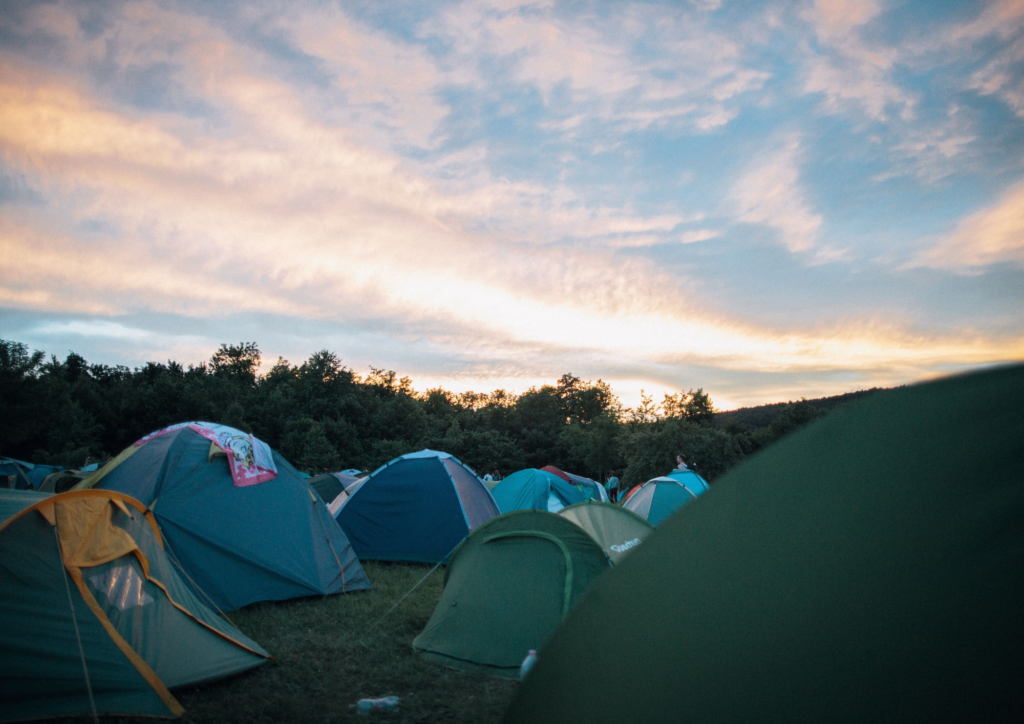
Better Sleep Makes Better Camping Trips
Camping has never been about sleeping in luxury. It’s about waking up ready to enjoy everything the next day has to offer, whether that’s exploring the countryside, spending time with family or standing in front of your favourite band as the sun goes down. While you might not recreate the comfort of your own bedroom, you can make a remarkable difference to how well you sleep by focusing on the things that matter most.
Stay comfortable, support your body properly and prepare for the weather. Those three simple principles will improve your chances of sleeping well far more than buying lots of extra camping gadgets or hoping you’ll simply get used to sleeping outdoors.
At Land of Beds, we believe great sleep shouldn’t stop when you leave home. Whether you’re sleeping under canvas for one night or heading away for a week-long adventure, giving your body the support, comfort and environment it needs will help you wake up feeling ready for whatever tomorrow brings.
Frequently Asked Questions
Whether it’s your first camping trip or you’ve been pitching tents for years, these are some of the questions we’re asked most often about getting a better night’s sleep outdoors.
Why do I sleep so badly while camping?
Most people don’t sleep badly because they’re camping—they sleep badly because they’re either too hot, too cold, unsupported or being disturbed by light and noise. Improving those four areas can make a significant difference to your sleep quality outdoors.
What’s the most important piece of equipment for sleeping comfortably while camping?
If we had to choose just one, we’d recommend investing in a good insulated sleeping mat. It cushions pressure points, supports your body and helps prevent heat being drawn into the ground overnight.
How can I stay cool while camping in hot weather?
Pitch your tent in the shade where possible, maximise ventilation before bed, choose breathable bedding and lightweight sleepwear, and stay hydrated throughout the evening. Helping your body stay cool makes it much easier to fall asleep and stay asleep.
Can camping improve your sleep?
It can. Spending more time outdoors and following natural daylight patterns may help support your body’s natural sleep-wake cycle. While camping isn’t always the most comfortable environment, many people find they begin falling asleep earlier after a few nights away.
Should I use a normal pillow when camping?
If you have the space, many people prefer using their pillow from home because they’re already used to its support. Otherwise, a good-quality camping pillow is usually far more comfortable than using rolled-up clothing or spare jumpers.
Is it better to sleep in a sleeping bag or under a blanket?
That depends on the weather. A sleeping bag is usually the best choice for cooler nights because it traps warmth more effectively. During warmer weather, many campers prefer sleeping on top of their sleeping bag with a lightweight cotton sheet or blanket instead.
Find the Right Pillow for Better Sleep
Whether you’re camping, travelling or sleeping at home, the right pillow makes all the difference. Explore our collection of supportive pillows designed for every sleeping position and comfort preference.
Explore Pillows →Explore More Sleep & Lifestyle Guides
From sleeping in hot weather to creating healthier bedtime habits, our Lifestyle Hub is packed with practical advice to help you sleep better at home, away and everywhere in between.
Explore Lifestyle Guides →
Written by Alice Littler
Alice brings a background in marketing, design, and branding to Land of Beds, where she focuses on making sleep advice simple, relatable, and practical for everyday life. She holds a degree in Graphic Design with a specialism in branding and design, giving her a strong understanding of how interior spaces, colour, layout, and environment can influence comfort, mood, and overall wellbeing.
Her creative background allows her to provide both expert bed and mattress guidance and bedroom design inspiration that helps customers create spaces that feel as good as they look.
Alongside her work in marketing and branding, Alice has collaborated with internationally recognised brands including Campari and Aperol, Paulaner, and Malfy, helping develop her expertise in consumer-focused communication and lifestyle content. She has also been trained by and works closely with leading UK bed and mattress manufacturers including Harrison Spinks, Hypnos, and Vispring, building extensive knowledge of mattress technology, sleep ergonomics, bedroom comfort, and sleep wellness.
Passionate about the life-changing impact of quality sleep, Alice creates content designed to help readers make informed decisions to improve their sleep environment, wellbeing, and everyday routine.