

So, What Actually Makes a Good Mattress?
A good mattress isn’t simply the one with the highest spring count, the thickest memory foam or the biggest price tag. It’s the one that provides the right balance of comfort, support and pressure relief for the way you sleep, while also being made from high-quality materials that are designed to last.
The best mattress for a side sleeper may not be the best choice for someone who sleeps on their back, and two mattresses with similar specifications can perform very differently depending on how they’re constructed. The quality of the springs, foams, fillings and craftsmanship all play an important role in how comfortable and durable a mattress will be over time.
In this guide, we’ll explain what really makes a good mattress, from choosing the right comfort level for your body to understanding the quality indicators that separate a well-made mattress from clever marketing.
The Biggest Myth About Buying a Mattress
If there was one feature that guaranteed a great mattress, buying one would be easy. Unfortunately, it doesn’t work like that.
It’s tempting to compare simple numbers like spring count, mattress depth or price because they’re easy to understand. In reality, those figures only tell part of the story. A mattress is made up of multiple layers that all work together, and the quality of those materials is often far more important than the headline specification.
That’s why a well-made mattress with fewer, higher-quality springs can outperform one with a much higher spring count, and why the most expensive mattress in the showroom isn’t automatically the best choice for everyone. The right mattress is always the one that suits how you sleep, while being built from materials that are designed to deliver comfort and support for years to come.
Think of a mattress like a recipe.
You can have the finest flour, butter and eggs, but if they’re poor quality or don’t work well together, the finished cake won’t be very good.
Mattresses are much the same. Springs, foams, natural fillings and fabrics each have an important role to play, but it’s how they’re combined, and the quality of the ingredients themselves, that determines how comfortable, supportive and durable the finished mattress will be.
What people often focus on
- Spring count alone
- How deep the mattress is
- The biggest brand name
- The highest price tag
- Marketing claims like “luxury” or “hotel quality”
What actually matters
- High-quality materials that will last
- Thoughtful construction and craftsmanship
- The right comfort and support for your body
- Pressure relief and healthy spinal alignment
- Long-term durability, not just showroom comfort
The 7 Things That Actually Make a Good Mattress
If you’re comparing mattresses, these are the seven things worth paying attention to. Together, they determine how comfortable, supportive and durable a mattress will be long after the excitement of buying it has worn off.
Comfort That Suits You
A good mattress should feel comfortable for your body, not somebody else’s. Your sleeping position, body weight and personal preferences all influence what feels right.
Proper Support
Your spine should stay in a neutral position throughout the night. Good support helps reduce pressure points and encourages healthier sleep posture.
Quality Materials
Natural fibres, durable foams and well-made spring systems usually last longer and perform more consistently than cheaper alternatives.
Thoughtful Construction
It’s not just the ingredients that matter. How they’re layered and assembled has a huge impact on comfort, durability and airflow.
Temperature Regulation
Better airflow, breathable fillings and modern cooling materials help you stay comfortable throughout the night.
Long-Term Durability
A quality mattress should continue to feel supportive after years of use, not develop dips and soft spots within a short period.
Value for Money
The best value mattress isn’t always the cheapest or the most expensive. It’s the one that delivers lasting comfort, support and quality for your budget.
Which Mattress Materials Last the Longest?
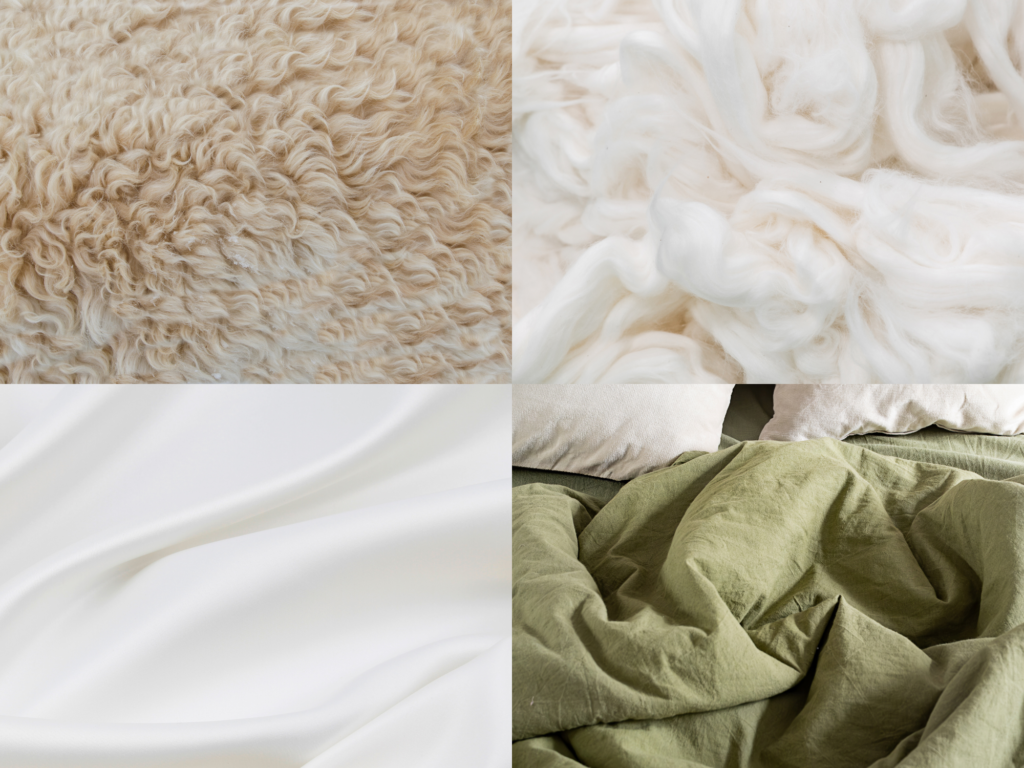
Not all mattress materials age in the same way. Some naturally resist compression and maintain their support for many years, while others begin to soften much sooner. Understanding the strengths and limitations of each material can help you choose a mattress that offers better long-term value, not just immediate comfort.
| Material | Typical Lifespan | Why People Choose It | Things to Consider |
|---|---|---|---|
| Natural Latex | 8–12 years | Exceptionally durable, naturally breathable and highly responsive. | Usually one of the more expensive mattress materials and has a naturally springier feel. |
| High-Density Memory Foam | 7–10 years | Excellent pressure relief and body contouring with good long-term durability. | Lower-quality memory foam can soften much more quickly and may retain more heat. |
| Pocket Springs | 7–10 years | Responsive support, excellent airflow and strong durability when well made. | The quality of the steel, spring design and surrounding comfort layers all make a difference. |
| Hybrid Construction | 7–10 years | Combines the support of pocket springs with the comfort of foam or natural fillings. | The lifespan depends on the quality of every layer, not just one material. |
| Open Coil Springs | 5–7 years | A supportive and affordable option, often found in entry-level mattresses. | Usually offers less motion isolation and tends to wear more quickly than pocket springs. |
| Natural Wool & Cotton Fillings | 8–12 years | Excellent temperature regulation, breathability and natural resilience. | Typically found in premium mattresses and often requires regular turning. |
Expert tip: A mattress isn’t made from just one material. The longest-lasting mattresses combine high-quality springs, durable comfort layers and breathable natural fillings, with every component working together to deliver lasting comfort and support.
How to Spot a Good Mattress (and the Warning Signs to Avoid)
Whether you’re shopping online or visiting a showroom, there are often small details that reveal a lot about the quality of a mattress. While no single feature guarantees a better night’s sleep, these are some of the clearest signs that you’re looking at a well-made mattress, and a few warning signs that should make you think twice.
| ✅ Green Flags | 🚩 Red Flags |
|---|---|
| Clear information about materials and construction. Quality manufacturers explain exactly what’s inside their mattresses. |
Vague descriptions. Phrases like “luxury comfort” without explaining the materials used. |
| High-quality natural or durable fillings. Materials like wool, cotton, latex and premium foams are designed to perform for longer. |
No information about the comfort layers. If you don’t know what’s inside the mattress, it’s difficult to judge its quality. |
| A recognised manufacturer with a strong reputation. Brands with decades of experience usually invest heavily in quality control and product development. |
Prices that seem too good to be true. Extremely cheap mattresses often achieve their price by reducing material quality. |
| A generous guarantee or sleep trial. Manufacturers are generally more confident offering longer guarantees on well-built mattresses. |
Huge discounts all year round. If every mattress is permanently “70% off”, the original price may never have reflected its true value. |
| Independent customer reviews. Look for feedback that talks about comfort after months or years of use, not just delivery. |
Only marketing claims. Buzzwords like “hotel quality” or “orthopaedic” mean very little without evidence to support them. |
Our advice
Don’t get caught up comparing a single number like spring count or mattress depth. Instead, look at the whole picture: the quality of the materials, how the mattress is constructed, the reputation of the manufacturer and whether it feels right for the way you sleep. That’s usually a far better indicator of long-term comfort than any headline specification.
How We Help Customers Find the Right Mattress
One of the questions we’re asked most often is, “What’s your best mattress?” While we’d love to give a simple answer, the truth is that the best mattress depends entirely on the person sleeping on it.
That’s why our team doesn’t begin by talking about brands, spring counts or price. Instead, we start by understanding you. These are the questions we ask almost every customer before making a recommendation.
How do you normally sleep?
Your sleeping position is one of the biggest influences on the type of mattress you’ll find comfortable. Side sleepers usually need more pressure relief, while back and front sleepers often benefit from firmer support.
Do you tend to sleep hot?
If you regularly wake up feeling too warm, we’ll usually recommend breathable materials, pocket springs or cooling technologies rather than dense comfort layers that can retain more heat.
Do you wake up with aches or pains?
Understanding where you feel discomfort helps us recommend the right balance of pressure relief and support, whether that’s memory foam, pocket springs, latex or a hybrid design.
Do you share your bed?
If you sleep with a partner, movement, edge support and mattress size all become much more important. Small changes can make a big difference to how well you both sleep.
What’s your budget?
We’re not looking for the most expensive mattress. We’re looking for the best-built mattress that fits comfortably within your budget and gives you lasting value.
How long do you expect it to last?
A mattress is a long-term investment. Understanding your expectations helps us recommend materials and construction that are designed to deliver years of reliable comfort and support.
The good news?
You don’t need to understand every spring system or know the difference between memory foam and latex before you start shopping. If you can answer these simple questions, you’re already much closer to finding the right mattress than most people realise.
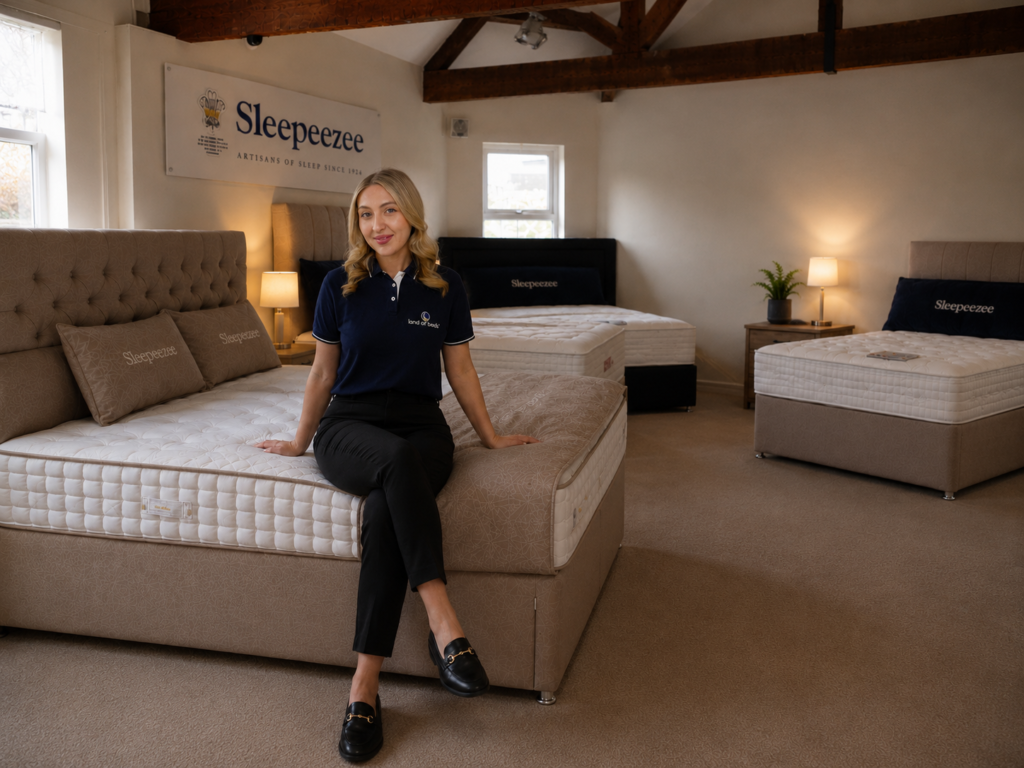
That’s exactly how we approach every recommendation at Land of Beds. We start with how you sleep, then match you with a mattress that’s built to deliver the comfort, support and quality you’re looking for.
Frequently Asked Questions About Choosing a Good Mattress
Buying a mattress is a long-term investment, so it’s completely normal to have a few questions before making your decision. Below, we’ve answered some of the things our sleep experts are asked most often to help you shop with confidence.

Written by Alice Littler
Alice brings a background in marketing, design, and branding to Land of Beds, where she focuses on making sleep advice simple, relatable, and practical for everyday life. She holds a degree in Graphic Design with a specialism in branding and design, giving her a strong understanding of how interior spaces, colour, layout, and environment can influence comfort, mood, and overall wellbeing.
Her creative background allows her to provide both expert bed and mattress guidance and bedroom design inspiration that helps customers create spaces that feel as good as they look.
Alongside her work in marketing and branding, Alice has collaborated with internationally recognised brands including Campari and Aperol, Paulaner, and Malfy, helping develop her expertise in consumer-focused communication and lifestyle content. She has also been trained by and works closely with leading UK bed and mattress manufacturers including Harrison Spinks, Hypnos, and Vispring, building extensive knowledge of mattress technology, sleep ergonomics, bedroom comfort, and sleep wellness.
Passionate about the life-changing impact of quality sleep, Alice creates content designed to help readers make informed decisions to improve their sleep environment, wellbeing, and everyday routine.