
How Poor Sleep Impacts Stress, Health and Spending Habits
Exclusive research by Land of Beds shows how lack of sleep affects stress, health, relationships, work, and finances. Experts Dr Nerina Ramlakhan and Dr Katrina O’Donnell share advice on how to break the cycle.
The Hidden Cost of a Bad Night’s Rest
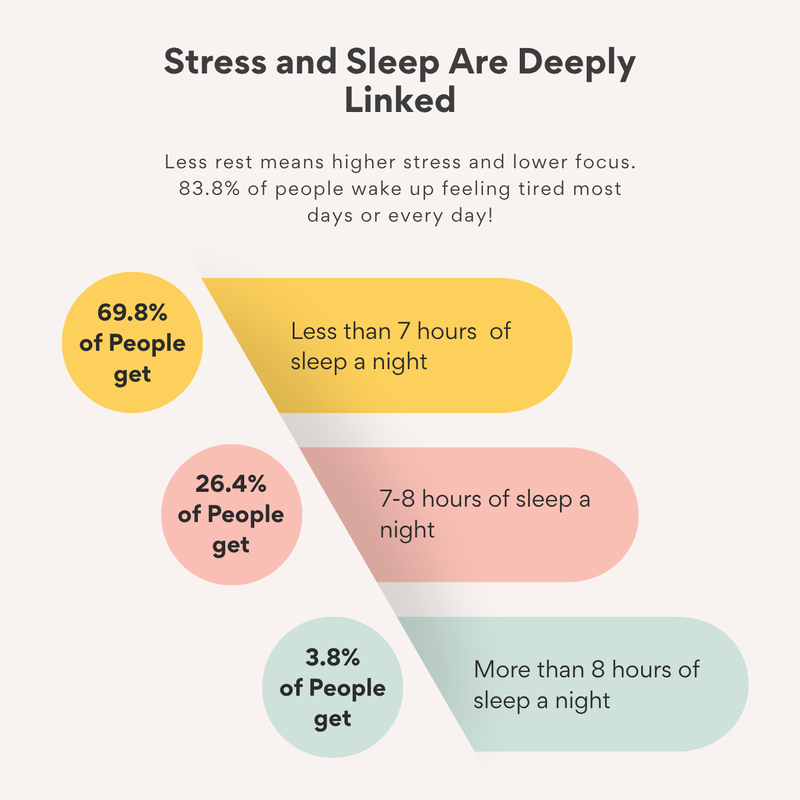
A poor night’s sleep does more than just make you groggy. Our research shows that 70% of UK adults are getting fewer than seven hours each night, and the effects ripple across nearly every part of life.
Surveying 1,000 UK adults aged 18 to 99 revealed some striking findings. Over 80% said poor rest adds to their stress levels. More than half admit to making poor decisions when tired, and 40% regret financial choices made while exhausted.
These are not small issues. They show that chronic sleep deprivation is affecting our wellbeing, relationships, and money.
Working with Dr Nerina Ramlakhan, a sleep expert, and retired GP Dr Katrina O’Donnell, we uncovered why this happens and how stress, modern habits, and poor sleep feed into a vicious cycle. More importantly, they explain how we can break free from it.
How Modern Life Keeps Us Awake and Stressed
Sleep deprivation isn’t just about personal choices. It reflects how modern life has changed the way we live, work, and rest. Longer hours, constant screens, and blurred boundaries between home and work keep us switched on and stressed.
Dr Nerina Ramlakhan calls this the modern stress paradox. Overstimulation triggers cortisol spikes and chronic fatigue. Poor rest feeds stress, and stress in turn feeds poor rest.
Dr Nerina said: “We are now well and truly embedded in a world that celebrates doing over being. Our electronic devices are constantly switched on and late into the night, work follows us home, especially since home working has become the norm, and the mind rarely finds stillness. Sleep is not a luxury; it’s a fundamental form of nourishment. When we push past our body’s natural signals to rest, we drain our energy reserves and trigger the body’s stress response. Cortisol levels rise, our thinking becomes foggy, and we feel more reactive and less resilient.”
Survey respondents shared their main struggles at night:
- 45% struggle with waking during the night
- 19% have trouble falling asleep
- 16% wake up too early, and
- 14% feel unrested despite getting their hours.
These sleep disorders affect everything from immune systems to heart health over the long term.
Dr Nerina explained: “Early morning waking, often around 2 or 3 am, is common and happens when the mind suddenly becomes alert and busy. This happens because many of us go to bed carrying the day’s worries, running on adrenaline and caffeine rather than calm, natural energy. When the body finally relaxes during the night, stress hormones like cortisol can rise prematurely, waking us up just as we’re meant to be in our deepest rest. There is also a natural rise in cortisol in the early hours and there are theories that we have evolved with this in order to summon up the energy to go ‘hunter gathering’ if we needed to. Obviously, in today’s world this isn’t so necessary, but the fact remains that cortisol levels still rise, and this is the time when people are likely to worry and fret and then find it hard to get back to sleep.”
She added: “Other factors, such as blood sugar dips from skipping meals, dehydration, or overuse of technology late at night, can also disturb the body’s delicate balance and trigger these awakenings.”
The Vicious Cycle of Rest and Stress
The survey uncovered a clear pattern: 84% of people say poor rest contributes to their stress levels, and 47% wake up tired or unrefreshed most days or every day.
The lesson is clear: the amount of time spent in bed is not the same as quality sleep.
Dr Nerina explained: “Sleep quantity isn’t the same as sleep quality. You can spend eight hours in bed and still wake up exhausted if your sleep isn’t truly restorative. Poor-quality sleep often happens when the body is tense, the mind is overstimulated, or the nervous system never fully switches off. Late-night screen use, caffeine, emotional stress, and erratic routines all prevent us from reaching the deeper, more healing stages of sleep.”
Many of us know this feeling. You sleep the recommended hours, but still wake up groggy, foggy, or on edge. Dr Nerina calls this the vicious cycle: stress makes sleep harder, and poor sleep fuels more stress. It affects energy, focus, mood, and long-term health.
“Sleep and stress are deeply intertwined in a vicious cycle,” she said. “When we’re stressed, the body produces more of the stress hormone cortisol, which keeps us alert and wired, making it harder to fall asleep or stay asleep. Then, when we don’t sleep well, the brain and body can’t properly restore themselves: cortisol remains elevated, mood-regulating chemicals fall out of balance, and the nervous system becomes even more reactive. The result is that we wake feeling tired, anxious, and less able to cope, which only increases our stress the next day.”
Breaking this cycle is more than going to bed earlier. It involves managing stress and supporting your body’s natural rhythms.
Dr Nerina added: “True rest begins long before we get into bed. Breaking this cycle starts with nourishing and regulating the nervous system. Simple steps like slowing the pace of your day, taking mindful breaks, and creating a calm bedtime routine help the body feel safe enough to relax. I also recommend starting the day with a nutrient-rich breakfast and minimising caffeine – both of these strategies help to minimise cortisol production. Over time, better rest lowers cortisol, steadies emotions, and rebuilds resilience, allowing you to move from survival mode to a state of true recovery and balance.”
And the effects of poor sleep aren’t just mental. They show up in the choices we make every day.
The Ripple Effects: Poor Decision Making
After a restless night, many of us notice that our choices the next day are off. Impulse purchases, extra coffees, or ordering takeaways suddenly feel more appealing than usual. Our research shows this is far from unusual.
59% of people admit to making poor decisions when tired. 40% specifically regret financial choices made while fatigued. What’s more, 56% say they spend more money on non-essentials after poor sleep, including takeaways, coffees and impulse purchases.
These small splurges add up. 58% believe they could save up to £25 a month just by avoiding tired spending. That’s £300 a year! Enough for a weekend away, a few nights out, or a little extra peace of mind. Nearly 73% of respondents think better rest would help them make smarter financial decisions.
Dr Nerina explains: “Sleep is the foundation for clear thinking, emotional stability, wise action and making good choices. When we’re tired, we don’t just feel sluggish, our brain chemistry changes in ways that directly affect decision-making and self-control. Sleep deprivation reduces activity in the prefrontal cortex, the part of the brain responsible for logic, planning, and impulse control. At the same time, it heightens activity in the amygdala and reward centres, which are linked to emotion and instant gratification. This means that when we’re sleep-deprived, we become more reactive, more drawn to quick fixes and less able to think through the consequences.”
She continued: “This imbalance often leads to reward-seeking behaviour: reaching for sugary foods, caffeinated drinks, making impulsive purchases, or taking risks we might normally avoid. The tired brain craves stimulation to compensate for low energy, a temporary boost that ultimately drains us further. It’s why almost 40% of people admit to making regrettable financial decisions when exhausted.”
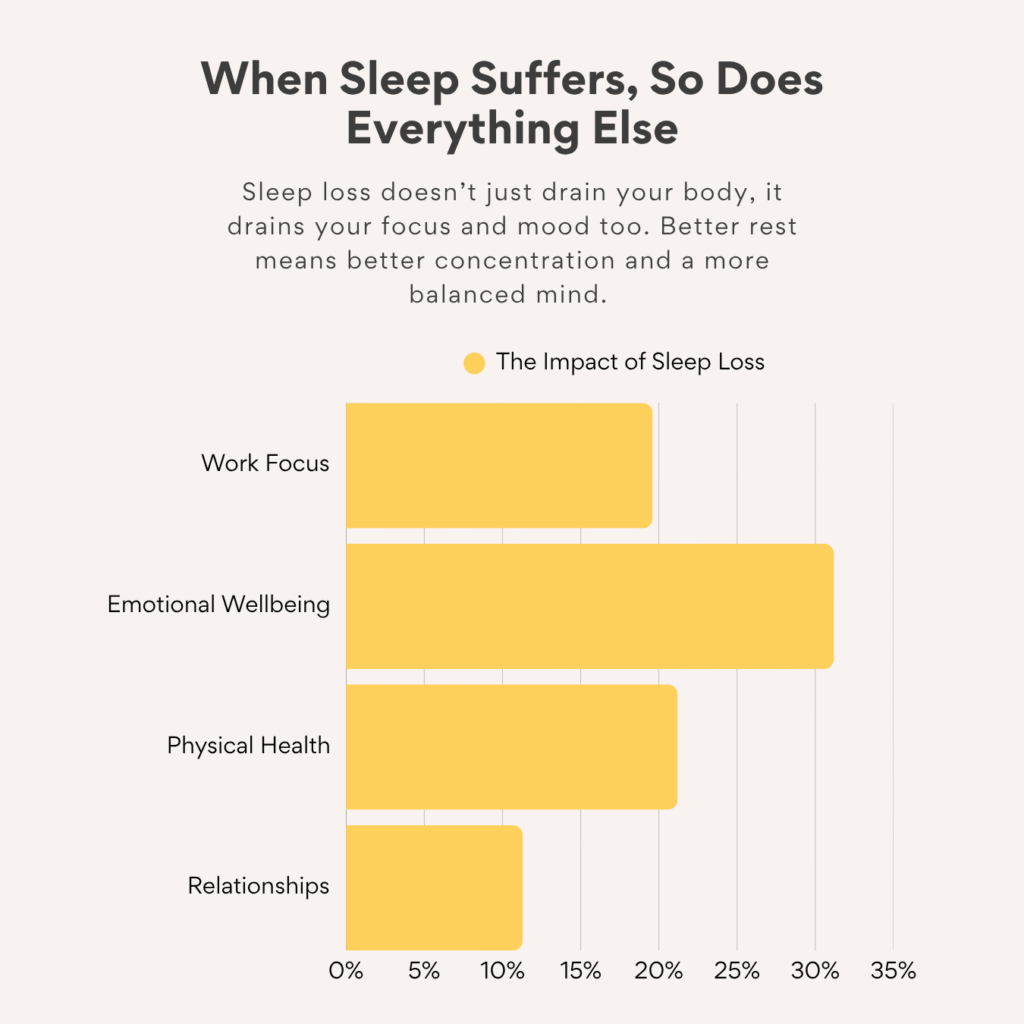
What do people spend the most on after a bad night? Coffees or energy drinks topped the list at 34%, snacks and sugary foods at 19%, takeaways or ready meals at 14%, and online shopping or impulse purchases at 9%.
Dr Nerina noted: “Restoring proper sleep allows the brain to rebalance, strengthening the prefrontal cortex, calming the emotional centres, and helping us make wiser, more grounded decisions.”
The Ripple Effects: Poor Work Performance
Tiredness doesn’t just affect personal life. It hits work too.
- 56% of people say tiredness affects their work performance.
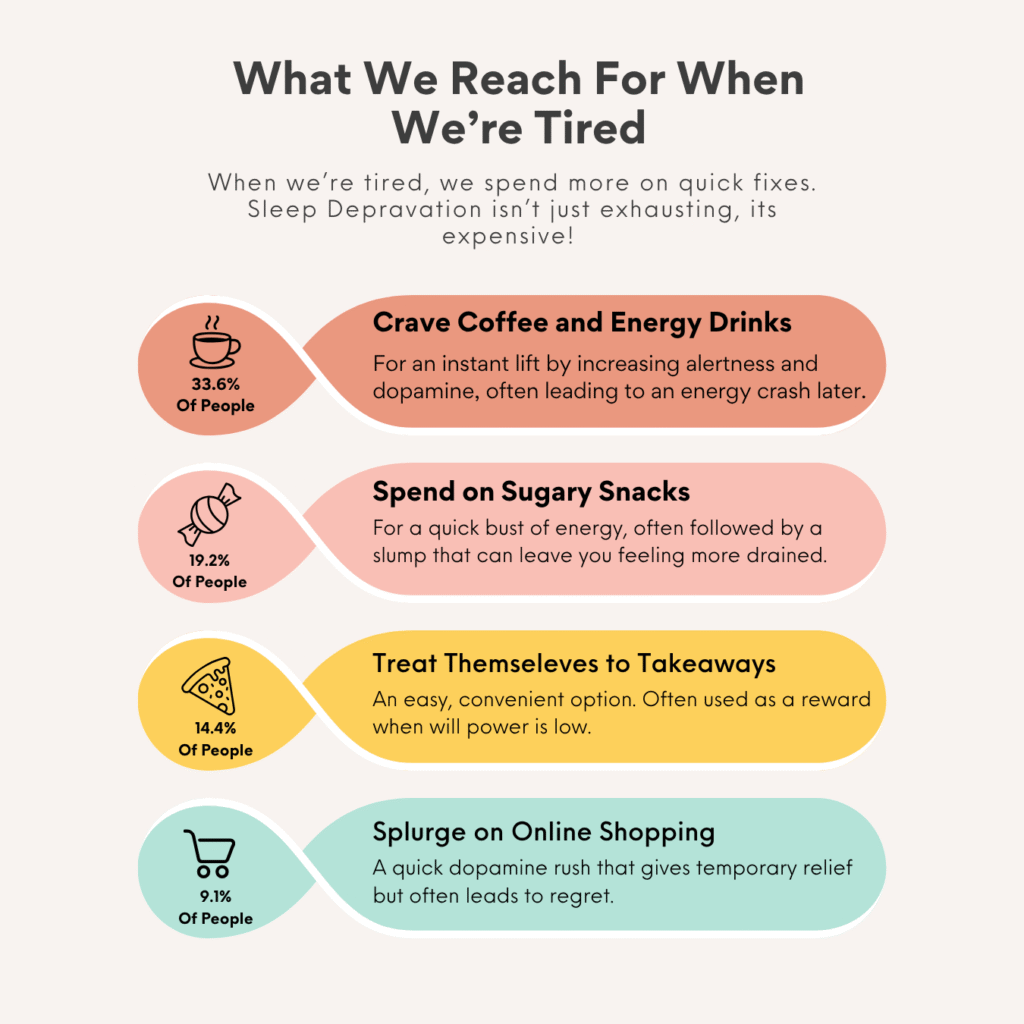
- 20% said concentration or overall work performance is the area in their lives most affected by poor sleep, and
- 26% have taken time off work due to tiredness or fatigue.
Dr Katrina O’Donnell, a GP, explained: “Daytime sleepiness leaves a person without energy to perform properly during the day and this impaired mental function makes a person less alert, making it difficult for them to multitask. This results in being more prone to mistakes in the workplace.”
The Ripple Effects: Poor Emotional Regulation
Sleep also impacts how we feel and relate to others.
31% said emotional wellbeing is the area in their lives most affected by lack of rest. 69% are more likely to argue with loved ones when tired, and 70% said they are regularly snappy or short tempered with a loved one because of tiredness.
Dr Nerina explained: “The way we sleep informs how we relate to life and interact with other human beings. When we’re tired, we don’t just lose physical energy, we lose emotional balance. People are more likely to argue with their partner or family when tired, and that’s because sleep plays a vital role in emotional regulation. During deep and REM sleep, the brain processes emotions, restores neurotransmitter balance, and calms the amygdala, the part of the brain that reacts to perceived threats. When we’re sleep-deprived, the amygdala becomes overactive, while the prefrontal cortex, the rational, soothing part of the brain, becomes less effective. The result is that we feel more irritable, sensitive, and reactive to even small frustrations.”
She added: “Tiredness also reduces our ability to empathise and communicate calmly, so minor disagreements can quickly escalate. The good news is that by prioritising consistent, high-quality sleep, we strengthen our emotional resilience. When we rest well, we relate well. Restorative sleep gives us the space to respond with patience, compassion, and clarity, qualities that nurture our relationships and help us handle life’s challenges with more grace.”
The Ripple Effects: Physical and Mental Health
Lack of sleep affects the body as much as the mind. 21% said physical health is the area in their lives most affected by lack of quality rest. Poor sleep is linked to serious health conditions, from diabetes to heart disease.
Dr Katrina explained: “Sleep is essential for the mind and body which is why poor sleep can damage every system in the body resulting in poor health. Sleeping just 5-6 hours a night doubles the risk of being diagnosed with prediabetes and type 2 diabetes compared to sleeping 7-8 hours a night. As with overweight and obesity the underlying cause is thought to involve a disruption of the body’s normal hormonal regulation.”
Cardiovascular risks are also significant. “Sleeping less than 7 hours a night raises the risk of high blood pressure. People with very short sleep times, 4 or fewer hours a night, are twice as likely to have high blood pressure. Sleep deprivation is linked to many risk factors for heart disease, including unhealthy levels of cholesterol as well as high blood pressure. People who don’t get sufficient sleep also have higher levels of stress hormones and substances that indicate inflammation, a key player in heart disease.”
Sleep apnoea can make things worse. “Sleep apnoea is a common cause of poor sleep and also raises the risk of heart disease. Sleep apnoea raises levels of stress hormones which boosts blood pressure and heart rate and appears to increase the risk of heart disease.”
Mental health is affected too. “People with poor sleep patterns are more likely to develop depression if the poor sleep becomes a chronic issue. Research has increasingly linked sleep disturbance to increased risk of dementia. Experts believe that sleep helps clear the brain of amyloid, the protein thought to damage nerve cells in Alzheimer’s.”
Finally, “Shorter sleep duration is also associated with higher body mass index as lack of sleep disrupts hormones that control hunger and appetite.”
She urged anyone struggling to seek help. “Anyone who suffers with poor sleep for three months or more should seek medical advice from their GP.”
Expert Tips for Reclaiming Restorative Sleep
The good news is that recovery can happen quickly. Dr Nerina explained: “The wonderful thing about the human body is that it responds to rest quite quickly. For many people, decision-making and mood begin to improve within just a few days of getting consistent, good-quality sleep. However, if they’ve been sleep-deprived for months or years, as so many have, it can take several weeks for the brain and body to fully rebalance.”
Taking a few simple steps each day can help bring your sleep rhythm back on track.
Her practical tips include:
Start the day calmly: “Avoid checking your phone first thing. Take a few slow breaths, stretch, or step outside for natural light. This helps balance your body clock and lower morning cortisol.”
Eat regularly and mindfully: “Skipping meals or relying on caffeine and sugar can cause blood sugar dips that trigger anxiety and poor sleep. Nourish yourself with steady, wholesome meals.” Avoid large meals close to bedtime, as these can disrupt sleep and make falling asleep more difficult.
Create a gentle evening routine: “Dim the lights, switch off screens an hour before bed, and do something soothing such as reading, stretching, or journaling to release the day’s thoughts.” This supports your natural circadian rhythm and signals it’s time to rest. Even 30 minutes of gentle physical activity during the day can help prepare your body for better nighttime sleep.
Set healthy boundaries: “Give yourself permission to rest without guilt. Protecting your sleep is not indulgent, it’s essential self-care and key to mental resilience. Spend less time on your electronic devices and leave your phone out of the bedroom. Get an old-fashioned clock without a digital display and don’t check the time during the night.”
Take mini-pauses during the day: “A few minutes of deep breathing, grounding, or quiet reflection between tasks helps calm the stress response and prevent mental overload.”
Dr Nerina’s final message: “Modern habits, from late-night scrolling and caffeine fixes to constant mental stimulation, all disrupt the delicate rhythm that supports deep, restorative sleep. Reclaiming restorative sleep begins with slowing down, honouring our body’s natural rhythms, and creating boundaries around rest. When we do this, we don’t just sleep better, we live with more clarity, calm, and vitality.”
Methodology
Land of Beds surveyed 1,000 UK adults aged 18 to 99 to understand how sleep deprivation impacts everyday life, including concentration, decision making, emotional wellbeing and spending habits. Responses were collected using Pollfish in October 2025.
About Dr Nerina Ramlakhan
Dr Nerina Ramlakhan is a physiologist and renowned sleep expert with over 25 years of experience helping people and organisations improve their sleep, resilience, and wellbeing.
Early in her career, she observed how modern life – driven by technology, globalisation and relentless pressure – was leaving many of her clients exhausted, burned out, and disconnected.
Her work is deeply rooted in both science and lived experience. After facing her own personal challenges, including a diagnosis of bipolar disorder and complex PTSD in her early 30s, Dr Nerina embarked on a profound healing journey. Through this, she discovered the power of making different choices and now uses that insight, along with science and philosophy, to help others sleep more deeply, overcome adversity and rediscover joy in everyday life.
About Dr Katrina O’Donnell
Dr O’Donnell is a retired GP with over 30 years of experience in general practice. She qualified in 1987 from the Royal College of Surgeons in Dublin, Ireland, and began her medical career as a House Officer at Whiston Hospital in Merseyside.
In 1988, she broadened her clinical experience by working at the Royal Brisbane Hospital in Australia. After returning to the UK, she completed three years of GP training and joined a partnership in 1993, where she provided dedicated patient care until her retirement in December 2023.
Dr O’Donnell is known for her practical, compassionate approach and her deep commitment to patient education and preventative health.
In her spare time, she enjoys reading, cooking, theatre, hiking, and has a strong interest in interior design.
About the Author – Judith Ackers
Judith brings her background in psychology, neuroscience, and education to her role at Land of Beds, where she shares expert advice to help customers sleep better. From product buying guides to bedtime routines and sleep-friendly habits, Judith’s insights support Land of Beds’ mission to improve sleep for everyone.