
There is a version of this conversation that goes something like: “I want a natural mattress.” It is usually followed by a slightly uncertain pause when the next question is which natural materials you actually have in mind. Wool, cotton, silk, cashmere, mohair, bamboo, and latex are all natural, all commonly used in mattresses, and all behave very differently once you are sleeping on them.
Natural mattresses are genuinely worth understanding properly because the benefits are not just marketing language. Materials like wool and cotton help regulate temperature, improve airflow, and create a more breathable sleep environment. Others, like latex, offer a very different balance of support and responsiveness. The challenge is not whether natural materials are good, but understanding which ones are right for you.
At Land of Beds, we work with natural mattresses every day and see first-hand how different materials affect comfort, temperature, and long-term durability. This guide breaks down what each material actually does, which ones are worth prioritising for your sleep style, and the natural mattresses from our range that we would confidently recommend.
Why natural fillings matter and what they do that synthetics can’t
This is not just about avoiding chemicals. Natural fillings behave differently in ways that engineered materials still struggle to replicate.
The most important of these is temperature regulation, and it happens passively without any added technology. Materials like wool, cotton, cashmere, and silk are hygroscopic fibres. They absorb moisture vapour from the body and release it back into the air as conditions change. This helps keep the sleeping surface drier and at a more consistent temperature, rather than simply reacting to heat once it builds up.
Breathability is another area where natural materials excel. Their open, porous structure allows air to move through the mattress rather than becoming trapped inside it. This reduces the warm, humid conditions that dust mites rely on, creating a more comfortable and less reactive sleep environment for allergy sufferers.
Durability is often overlooked, but it is one of the most practical advantages. High-quality natural fillings, particularly wool and latex, are highly resilient. They recover well from compression and maintain their support over time. A well-made natural mattress, properly cared for, will often last longer than a comparable synthetic alternative.
Natural fillings and what each one actually does
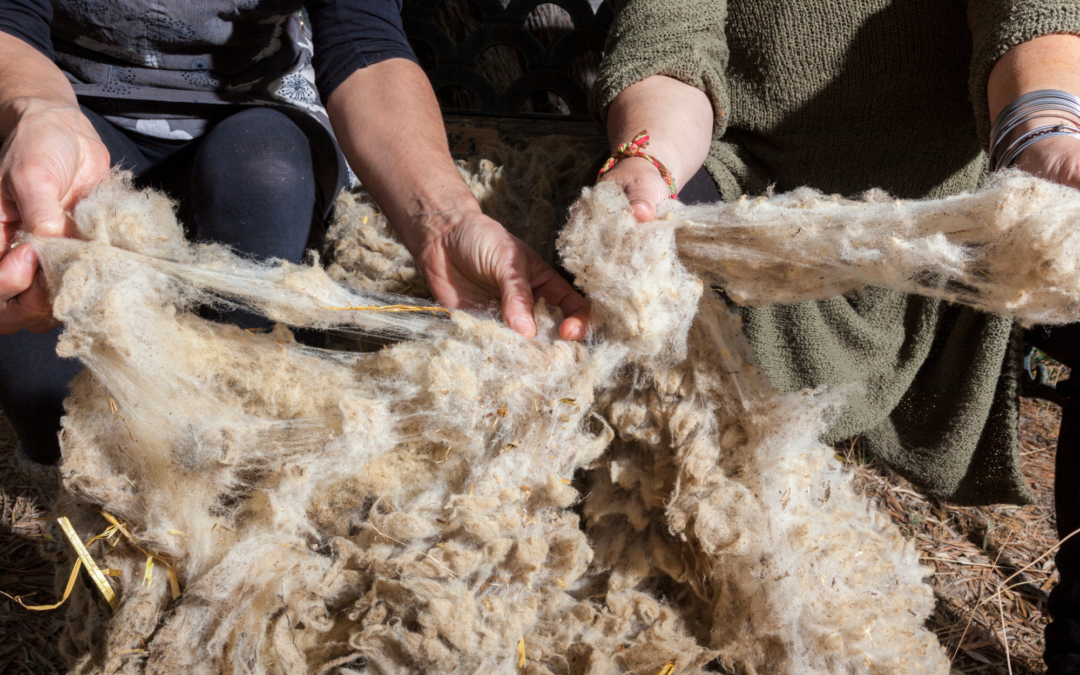
This is why wool filled mattresses tend to feel cool in summer and warm in winter. Rather than simply insulating, wool actively helps manage the microclimate between your body and the mattress.
British wool in particular, as certified by the British Wool Marketing Board, is a useful quality indicator to look for. It is also naturally fire resistant, meaning wool filled mattresses typically do not require added chemical fire retardants.
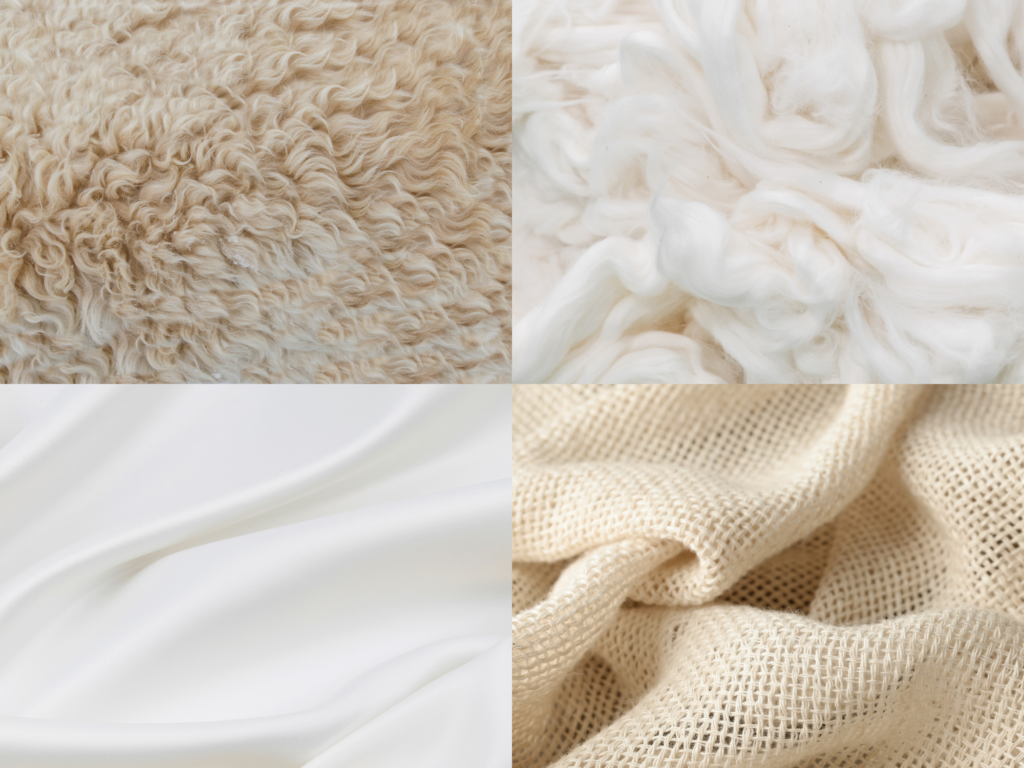
The natural structure of cotton fibres allows air to circulate freely through the mattress, helping to regulate temperature and prevent heat from building up. This makes cotton filled mattresses comfortable in both warmer and cooler conditions, without relying on added technology.
Cotton is also naturally hypoallergenic, making it a good choice for those with sensitivities. It is widely available across accessible price points, which makes it a common entry point into natural mattresses without compromising on comfort.
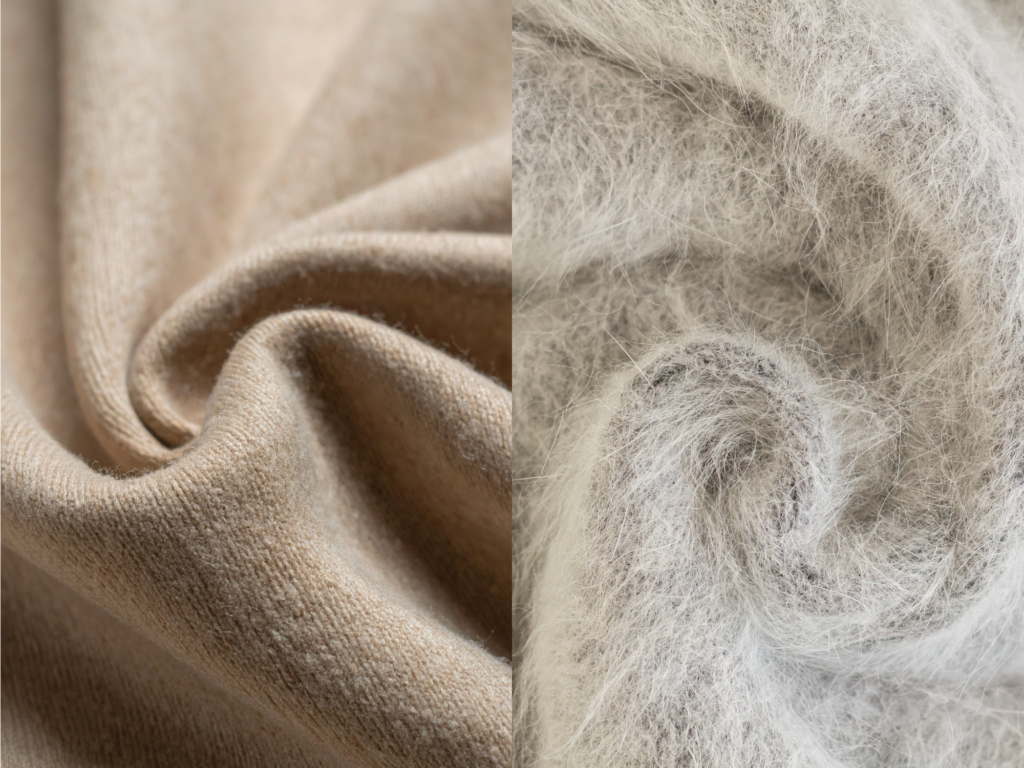
Cashmere fibres absorb moisture and help maintain a dry, balanced sleeping environment throughout the night. They are typically combed rather than sheared, which helps preserve fibre length, reduce pilling, and maintain the smooth, soft quality of the filling over time.
In most mattresses, cashmere is used as part of a blended comfort layer rather than on its own. It is often combined with materials such as wool, silk, or alpaca in higher-end designs, where each fibre contributes a different quality to the overall comfort and performance of the mattress.
The smooth, tightly woven structure of silk fibres helps resist the absorption of odours and supports a cleaner, more comfortable sleeping environment over time. It also assists with temperature regulation and is naturally hypoallergenic, making it a good option for those with sensitivities.
Like cashmere, silk is rarely used on its own. It is most often found in blended comfort layers alongside materials such as wool, cashmere, or alpaca, where it enhances both the feel and overall performance of the mattress.
In mattresses, mohair provides a soft and comfortable surface while still allowing air to move freely through the filling. This makes it particularly well suited to premium comfort layers where both feel and airflow are important.
Its natural resilience means it holds its loft and structure well over time, helping the mattress maintain its comfort level without flattening as quickly as some softer fillings. This balance of softness and durability is what makes mohair a valuable addition in higher-end natural mattresses.
This moisture wicking behaviour makes bamboo particularly well suited to warmer sleepers or anyone who tends to overheat during the night. It also contributes to a cleaner feeling surface, as the fibres help reduce the build up of moisture where it matters most.
Bamboo is also valued for its sustainability. It grows quickly, requires relatively few resources, and is often used in more environmentally conscious mattress designs. In most cases, bamboo is used in mattress covers rather than as a primary filling, where its breathability and hypoallergenic properties can be most effective in direct contact with the sleeper.
Its open cell structure allows air and moisture to move freely through the material, making it one of the most breathable options available. Unlike some synthetic foams, latex responds primarily to pressure rather than heat, which helps it feel more stable in temperature over the course of the night.
Natural latex is also inherently resistant to dust mites and bacteria, and is typically free from added chemical fire retardants and petroleum based components. It is considered one of the most durable mattress materials available, retaining its shape and support over many years of use. The rubber trees used to produce latex grow quickly, which also makes it a more sustainable option within the mattress industry.
Natural vs synthetic mattresses
Natural fillings bring some very real advantages, but they are not without compromise. Understanding both sides is what makes choosing the right mattress much easier.
| Natural fillings | Synthetic fillings | |
|---|---|---|
| Temperature | Actively regulate moisture and airflow, helping maintain a consistent temperature in all seasons | Primarily react to heat rather than managing it, which can lead to heat build up |
| Breathability | Excellent. Open fibre structures allow air to circulate freely through the mattress | Varies by material. Some foams can restrict airflow, particularly denser constructions |
| Allergies | Generally beneficial. Many natural fibres are hypoallergenic and less supportive of dust mite activity | Varies. Some are treated for allergy resistance, others may retain heat and moisture |
| Durability | High. Materials such as wool and latex are resilient and maintain structure over time | Varies. Higher density foams can perform well, but lower density materials may compress more quickly |
| Sustainability | Renewable and often biodegradable, with a lower environmental impact when responsibly sourced | Typically petroleum based and non biodegradable |
| Price | Higher. Quality natural fillings tend to command a premium | More accessible across lower and mid price points |
| Maintenance | Often requires turning and rotating to keep fillings evenly distributed | Usually low maintenance, with many no turn designs available |
| Feel | Soft and adaptive with a more traditional feel, particularly in wool, silk, and cashmere blends | Wide range of feels. Memory foam offers strong pressure relief, while hybrids provide more responsiveness |
However, if budget is a key consideration, a well-made hybrid mattress with natural comfort fillings over a pocket spring base is often a very sensible middle ground. It allows you to benefit from many of the advantages of natural materials without committing to the full cost of a fully natural mattress.
Who natural mattresses are best for
What to look for when buying a natural mattress
Higher quality natural mattresses tend to describe each filling layer in detail, including what it does and where it sits within the construction. This is often a good indicator of overall quality and transparency.
You will often see this in higher quality mattresses where wool plays a key role in temperature regulation and durability. It is a meaningful indicator of sourcing and quality rather than simply a marketing label.
The key difference here is independent verification. This is not just a claim made by the manufacturer but an externally assessed standard.
While this requires a little more effort, it plays an important role in maintaining comfort and extending the lifespan of the mattress. It is worth considering how practical this will be in your space before you choose.
Our picks: the best natural mattresses at Land of Beds
Harrison Spinks mattresses are designed to be fully recyclable, with glue free construction and a strong focus on sustainability without compromising comfort or support.
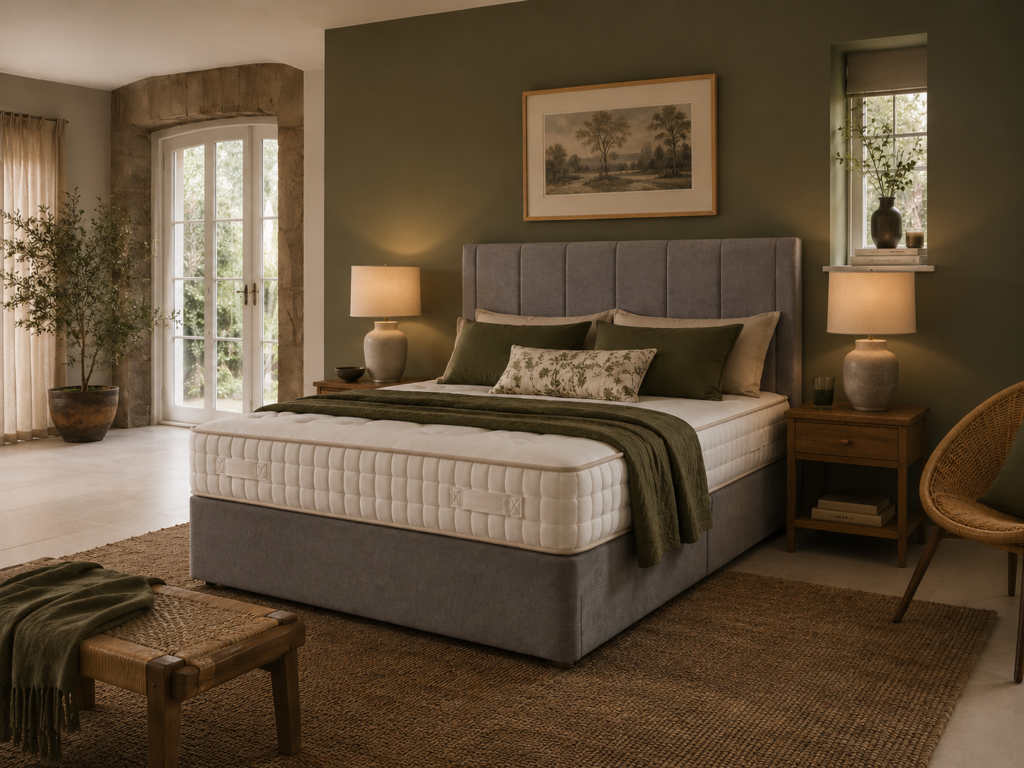
Handmade using sustainably sourced materials, it is a strong choice for those who want a natural mattress with proven durability and craftsmanship.
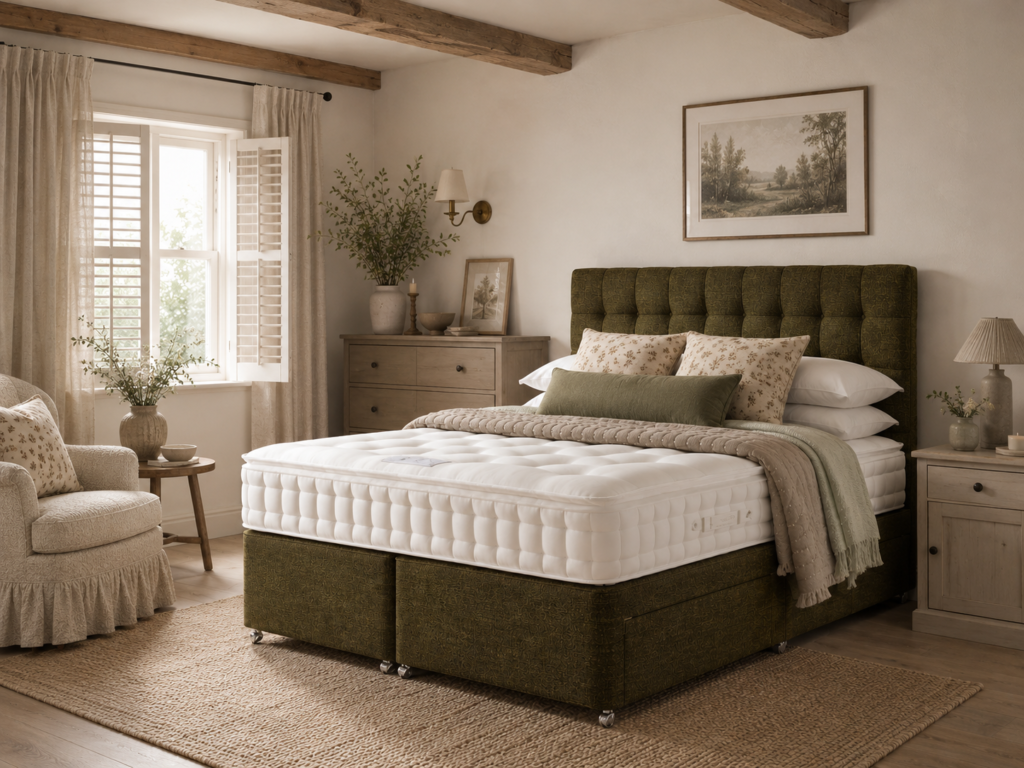
It is a particularly good option for those who struggle with overheating, offering a natural approach to temperature control without relying on synthetic cooling technologies.
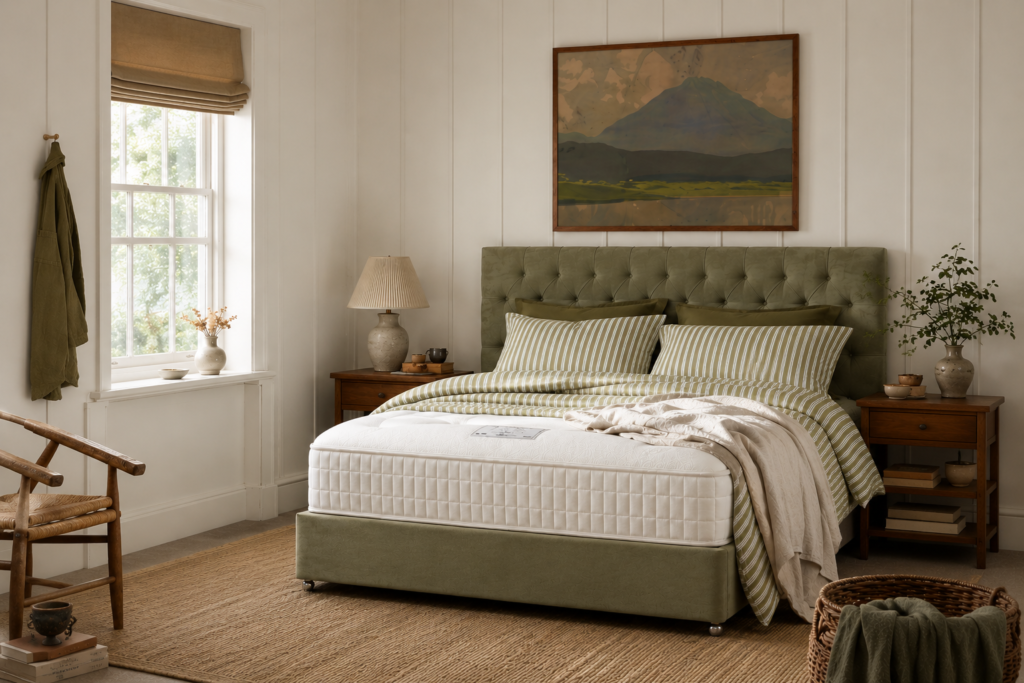
It is a practical option for those who want the benefits of natural materials without moving into the highest price brackets.
Frequently asked questions
For allergy sufferers, the hypoallergenic properties of natural fibres and the drier sleep environment they create can make a noticeable difference. For hot sleepers, materials such as wool and latex help manage temperature more effectively at source.
The main consideration is price. High quality natural mattresses are usually more expensive, and for those without specific temperature or allergy concerns, a well made hybrid or synthetic mattress may still be a very good option.
Some modern natural mattresses are designed to be no turn, although rotating from head to toe is still recommended to help extend lifespan. Always check the manufacturer’s care instructions before buying.
For stronger reassurance, look for mattresses with the Allergy UK Seal of Approval. Some models also use treatments such as Purotex, which are designed to help reduce allergens within the fabric and are independently assessed.
Some mattresses use synthetic or blended latex, which combines natural and man made materials. If this matters to you, it is worth checking that the product specifically states natural latex in the description.
It carries the Allergy UK Seal of Approval, meaning it has been independently assessed. For those with allergies or sensitivities, this can be a useful additional feature to look for alongside natural materials.
For many people, the benefits of better temperature regulation, breathability, and long term durability make them a worthwhile investment. They are also often the preferred choice for those with allergies or anyone looking to avoid synthetic materials.
If those factors are less important, a well made hybrid mattress with natural comfort layers can offer a more accessible middle ground while still delivering many of the same benefits.
Ready to find your natural mattress?
Natural mattresses come in more variations than most people expect, different fillings, different filling combinations, different tensions and spring systems, different allergy and sustainability credentials. Our team at Land of Beds can help you work through exactly which natural mattress suits your sleeping position, temperature preferences, allergy needs, and budget, with no pressure to buy anything.
Call us on 01928 241299, visit our showrooms in Greater Manchester and Cheshire, or browse our full natural mattress range online.

Written by Alice Littler
Alice brings a background in marketing, design, and branding to Land of Beds, where she focuses on making sleep advice simple, relatable, and practical for everyday life. She holds a degree in Graphic Design with a specialism in branding and design, giving her a strong understanding of how interior spaces, colour, layout, and environment can influence comfort, mood, and overall wellbeing.
Her creative background allows her to provide both expert bed and mattress guidance and bedroom design inspiration that helps customers create spaces that feel as good as they look.
Alongside her work in marketing and branding, Alice has collaborated with internationally recognised brands including Campari and Aperol, Paulaner, and Malfy, helping develop her expertise in consumer-focused communication and lifestyle content. She has also been trained by and works closely with leading UK bed and mattress manufacturers including Harrison Spinks, Hypnos, and Vispring, building extensive knowledge of mattress technology, sleep ergonomics, bedroom comfort, and sleep wellness.
Passionate about the life-changing impact of quality sleep, Alice creates content designed to help readers make informed decisions to improve their sleep environment, wellbeing, and everyday routine.