

A single bed is the most varied category we sell -- and the one where the type matters as much as the size. The right bed for a 7-year-old is a completely different product from the right bed for a 14-year-old, a solo adult, or a guest room used twice a year. At Land of Beds, we stock over 400 single beds covering every configuration: standard frames, cabin beds, mid-sleepers, high sleepers, storage ottomans, divans, and bunk beds. Free mainland UK delivery, a Price Promise Guarantee, and honest advice from people who know this category properly come as standard.
Browse the full range below, or use the guides below to find the right type for the age, room, and situation. Our team is available seven days a week for a personal recommendation.

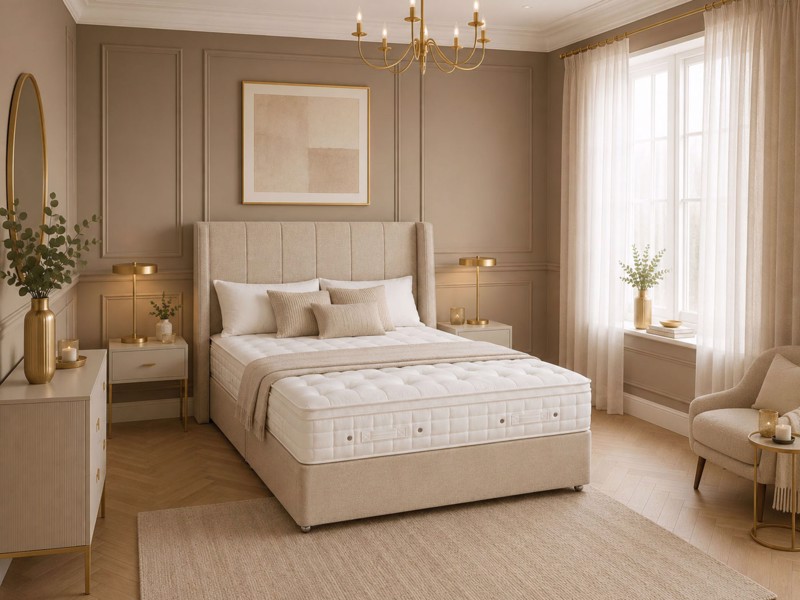



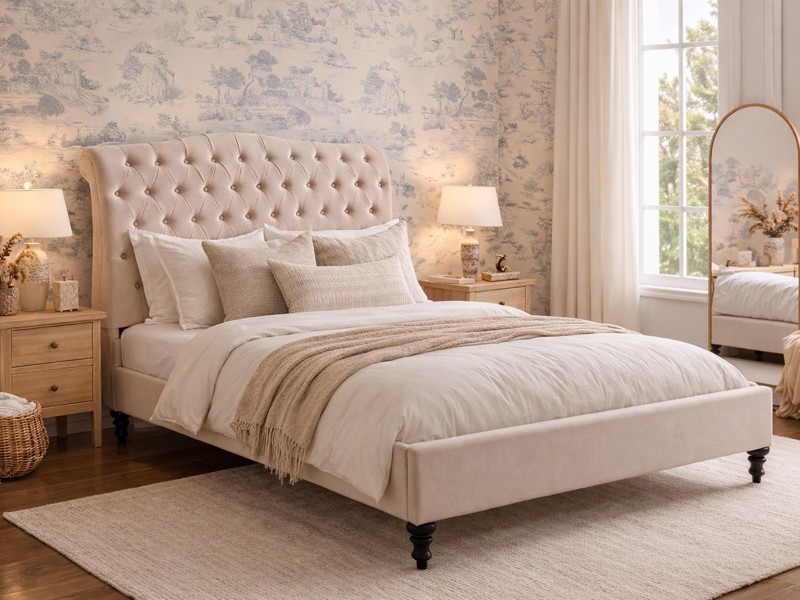


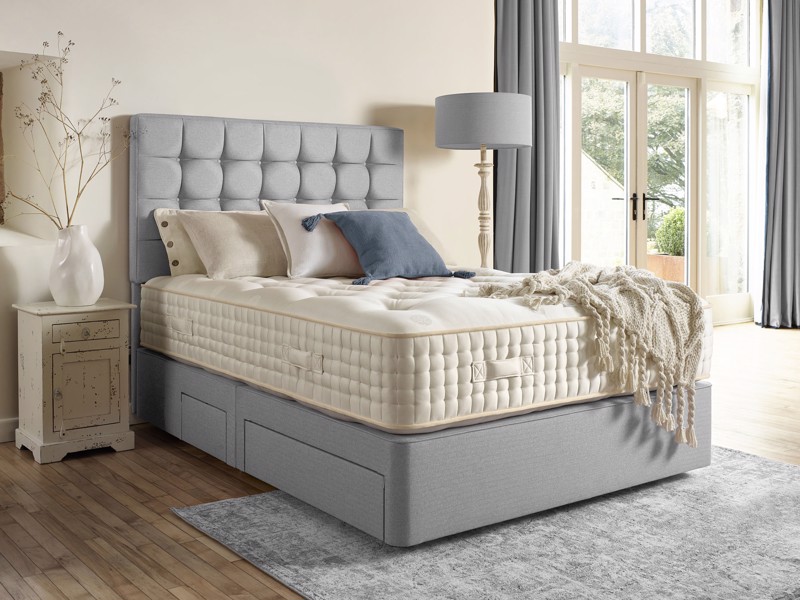

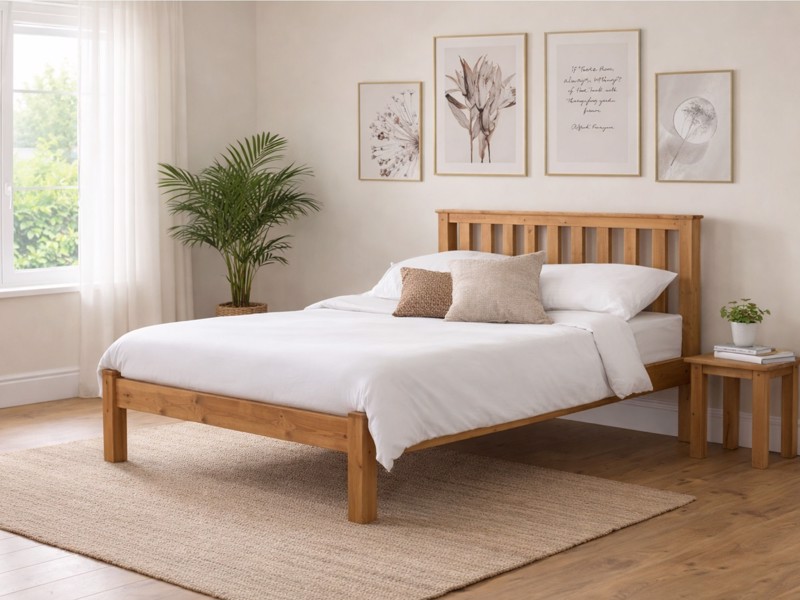

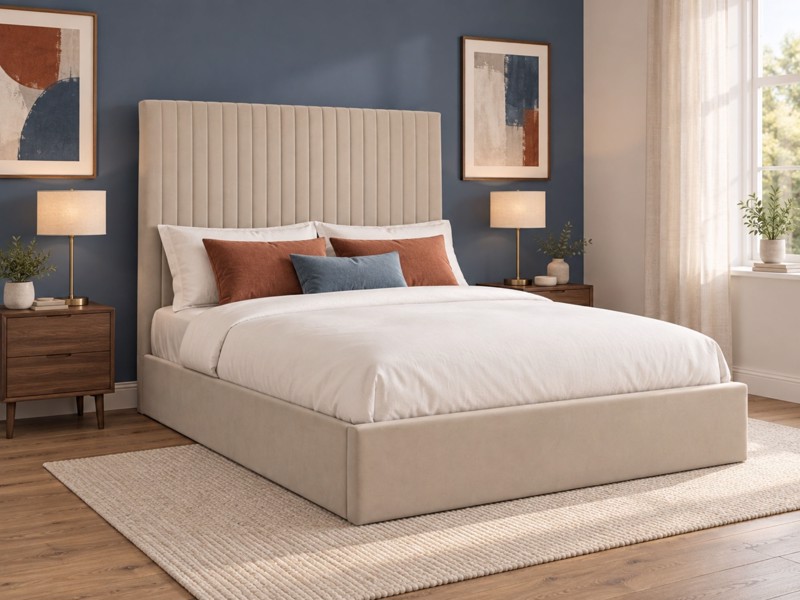

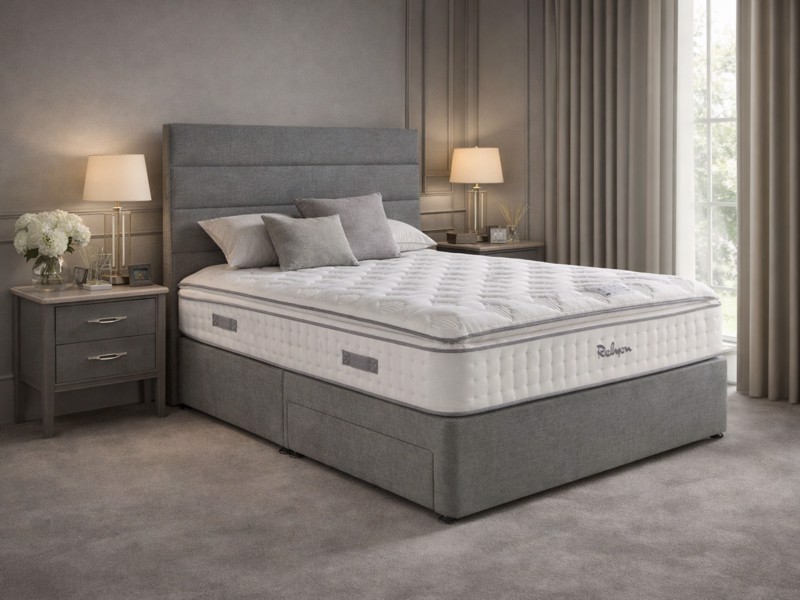

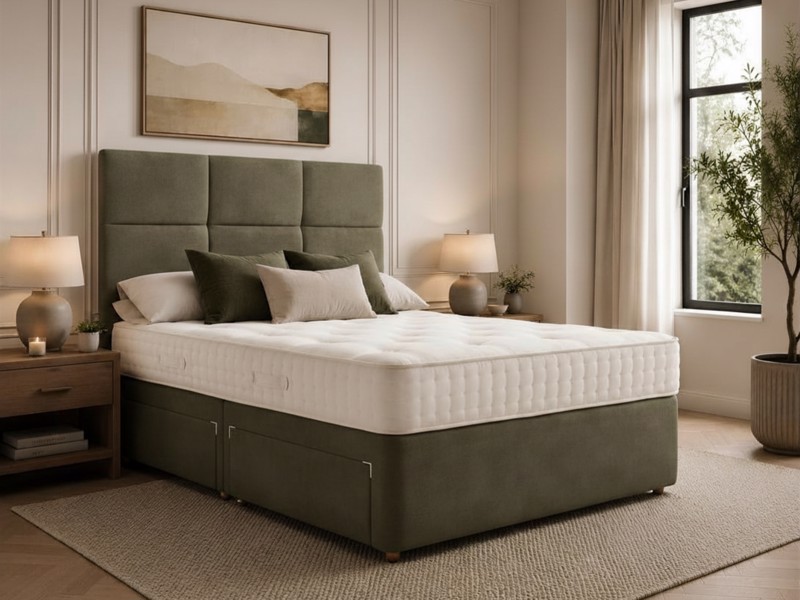
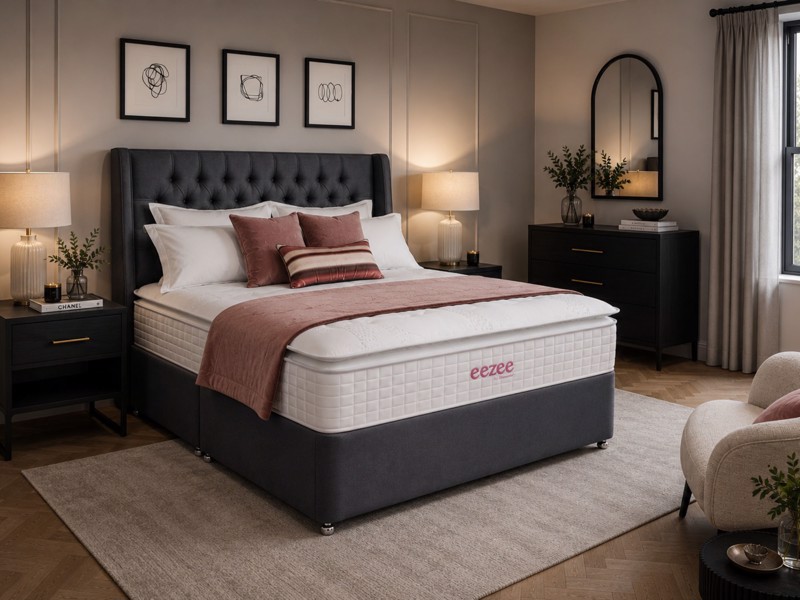

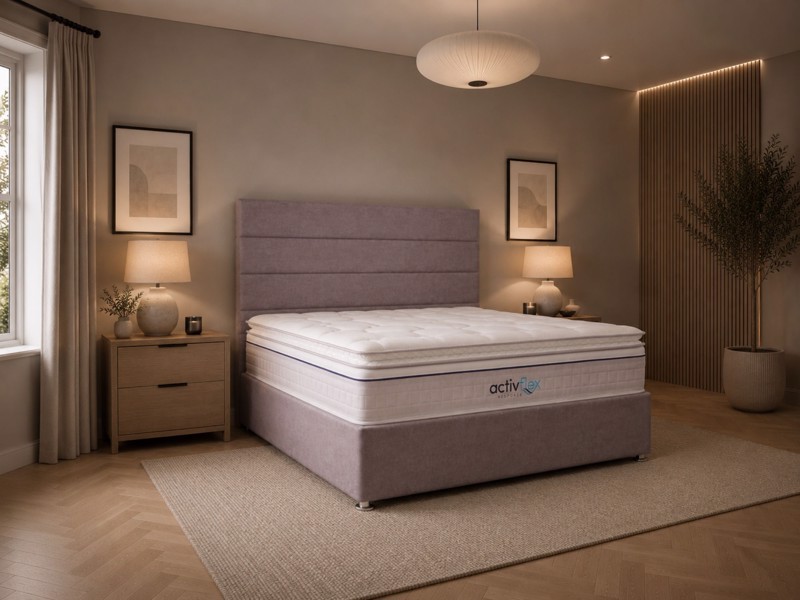

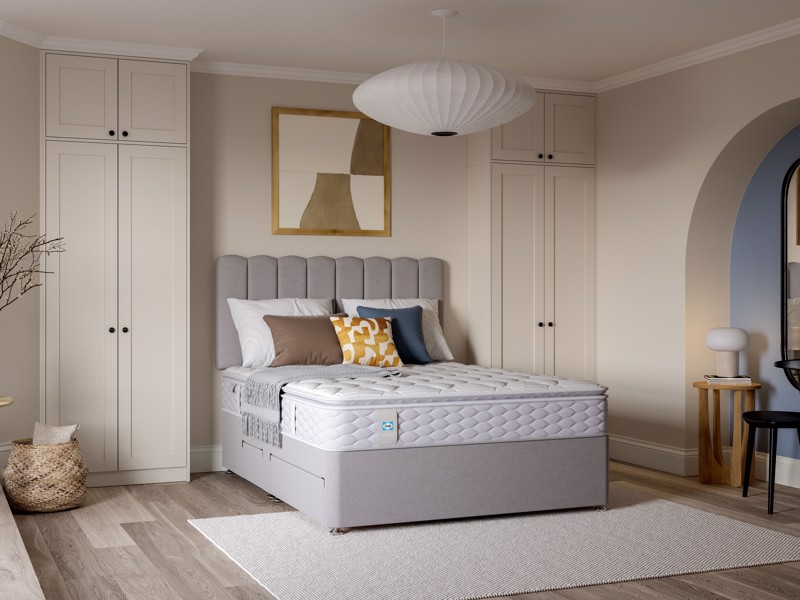


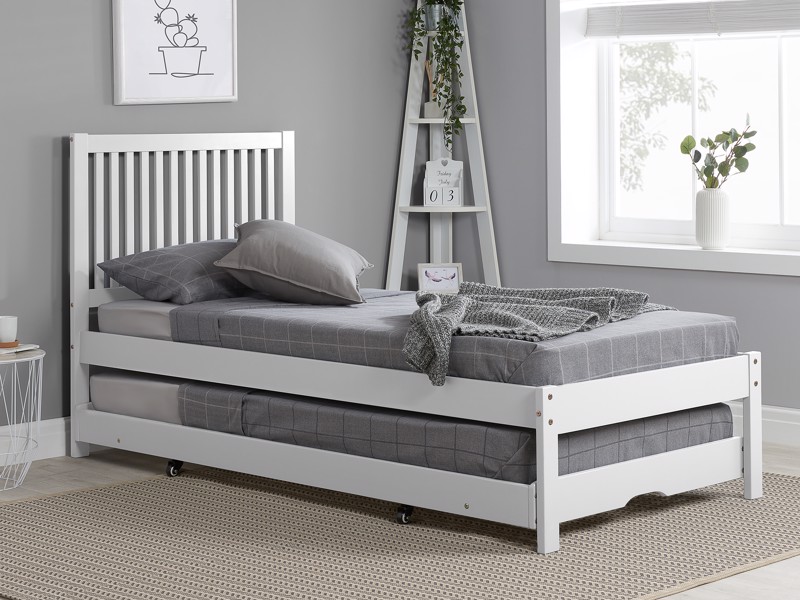
A single bed is one of the most straightforward size decisions -- but one of the most complex type decisions in the whole bed category. A cabin bed that works brilliantly for a nine-year-old is genuinely the wrong bed for a fourteen-year-old. A simple frame right for a guest room is the wrong answer for a child's main bedroom where floor space for study and play matters. Getting the type right for the age and room is what makes this category work well -- and getting it wrong typically means an early replacement, which cancels out any saving from buying more cheaply. At Land of Beds, we've been helping families and solo buyers work through exactly this for over 50 years, with honest advice and no pressure to buy.
| Your Situation | Best Choice | Why |
|---|---|---|
| Child under 5 | Standard low-profile single | Safest height -- no ladder, no fall risk, easy independent access |
| Child aged 6 to 10 | Cabin bed or mid-sleeper | Transforms a small bedroom by freeing the floor underneath |
| Child aged 10 to 14 | High sleeper with desk below | Solves the study-space problem without sacrificing floor area |
| Teenager 14 and above | Standard single or small double | Has outgrown raised beds -- wants a normal sleeping surface |
| Solo adult, compact room | Standard single or ottoman | Treat it as a main bed -- comfort and storage both matter |
| Guest room | Divan or simple frame | Practical, easy to maintain, suited to occasional use |
| Factor | Why It Matters | What to Check |
|---|---|---|
| Who it's for and their age | A single bed for a young child, a teenager, and a solo adult are three completely different product decisions. Age determines the right type -- and buying for the wrong age group often means a costly early replacement within a year or two. | Age and weight of the primary sleeper, whether the bed needs to last through childhood or teenage years, or whether it's a main adult bedroom |
| Type -- cabin, high-sleeper, standard, or ottoman | In the single category, type matters as much as style. A cabin bed solves a different problem from a high sleeper, which solves a different problem from a standard frame with drawers. The wrong type wastes the opportunity a single bedroom presents for storage, study, and space. | Room size, whether floor space for play or study underneath matters, manufacturer age guidance, ceiling height for raised beds |
| Storage | Single bedrooms are typically the smallest in the house. Getting storage right from the start -- whether a cabin bed with integrated shelving, an ottoman, or side drawers -- avoids adding furniture later that the room cannot comfortably fit. | How much storage the room needs, what items need storing, whether daily access or maximum capacity matters more |
A standard UK single bed measures 90 x 190cm (3ft x 6ft 3in). This is the size for all standard single frames, cabin beds, and divans.
| Dimension | Measurement | Notes |
|---|---|---|
| Width | 90cm (3ft) | Suits one person. Not designed for two adults to share regularly. |
| Length | 190cm (6ft 3in) | Suits sleepers up to approximately 5ft 10in. Taller sleepers will find this short over time. |
| Small single width | 75cm (2ft 6in) | Suits younger children or very compact rooms |
| Typical frame height (standard) | 40 to 60cm | Low-profile is safer for younger children; standard height for adults |
| Typical frame height (raised) | 100 to 170cm total | Cabin beds, high sleepers -- always check full frame height against available ceiling clearance |
If the sleeper is close to or over 5ft 10in, a standard single will feel short over time. A small double provides extra width but the same 190cm length. Taller sleepers should note that king and super king sizes are 200cm long.
See our UK Bed Sizes Guide for full room-measuring advice.
| Type | Key Features | Best For |
|---|---|---|
| Standard Frame | Simple frame on legs with slatted base, usually with headboard; wood, metal, or fabric | Children aged 5 and under (safest height), teenagers who have outgrown raised beds, adults in compact rooms, guest rooms |
| Single Ottoman | Gas-lift base opens upward; full under-bed storage; no side clearance needed | Compact adult or teenage bedrooms where storage needs to do serious work |
| Single with Drawers | Built-in side or end drawers at floor level; easy daily access | Children's rooms needing accessible storage for clothes, bedding, or toys |
| Cabin Bed | Raised sleeping platform with storage, shelving, or play space underneath | Children aged 6 to 10 -- transforms a small bedroom by using the vertical space productively |
| Mid-Sleeper | Semi-raised sleeping platform, lower than a full cabin bed; typically 60-90cm from floor | Children aged 5 to 8 who want the cabin bed feel at a safer, lower height |
| High Sleeper | Fully raised sleeping area with 100-130cm of clearance below for a full desk or wardrobe | Children aged 10 to 14 needing dedicated study space in a smaller bedroom |
| Bunk Bed | Two sleeping areas stacked vertically on one frame | Shared children's rooms or rooms that need to accommodate guests without losing floor space |
| Single Divan | Solid upholstered base; sits low; optional integrated drawers | Guest rooms and practical adult setups where a neat, low-profile look is the priority |
Choose a standard frame if:
Choose a cabin bed or mid-sleeper if:
Choose a high sleeper if:
Choose an ottoman if:
Our recommendation
Under 5: standard low-profile frame. Ages 6 to 10: cabin bed or mid-sleeper. Ages 10 to 14: high sleeper if ceiling allows, otherwise cabin bed. 14 and above: standard single or small double. For adults, treat it as a main bed decision -- an ottoman single in a compact room consistently outperforms a standard frame in practical terms.
One of the most consistent patterns in our 50 years of helping families: parents who buy a cabin bed for a child aged 12 or 13, expecting it to last another four or five years. By that age, most children have functionally outgrown the raised type -- not because the frame is worn out, but because teenagers want a normal bed. The cabin bed that transformed a seven-year-old's room becomes an obstacle for a fourteen-year-old. Buying a standard single or small double at age 13 to 14 avoids that early replacement and gives a teenager a bed they will actually want to use.
Judith Ackers, Land of Beds Head of Marketing and former headteacher with a background in psychology and neuroscience, notes that a child's sleep environment directly affects their behaviour, concentration, and emotional regulation -- often more visibly than in adults. Getting the transition timing right is a developmental decision, not just a practical one.
| Age Group | Best Type | Why |
|---|---|---|
| Under 5 | Standard low-profile single with drawers | The safest choice: low to the ground, no ladder, no fall risk. Easy for a child to get in and out independently. |
| 5 to 10 | Mid-sleeper (5-7) or cabin bed (6-10) | Frees up floor space for play, storage, or a reading corner. Mid-sleeper at the lower end; cabin bed once confident on a ladder. |
| 10 to 14 | High sleeper with proper desk space below | A dedicated study area matters at this age. Requires adequate ceiling clearance -- see safety guide below. |
| 14 and above | Standard single or small double | Teenagers want a normal bed. Most have functionally outgrown raised beds by their early teens. |
| Adult guest room | Divan or simple wooden or metal frame | Practical, easy to maintain, suited to occasional use. |
| Adult compact main bedroom | Standard single or storage ottoman | Treat it as a main bed decision -- comfort and storage both matter. |
| Safety Factor | What to Check |
|---|---|
| Guard rails | Must be fixed on the open side of the sleeping platform -- not removable. Required on all sides where a fall is possible. |
| Ladder type | Fixed ladders are safer than angled or removable ladders, particularly for children under 10 |
| Manufacturer age guidance | Always check the specific product listing -- age recommendations vary between models |
| Weight limits | Check the sleeping platform limit and any desk or storage sections separately -- these are often different figures |
| Ceiling clearance for high sleepers | A high sleeper platform typically sits 160-170cm from the floor. Add mattress depth and the child's seated height. A room ceiling of at least 230cm is the practical minimum. A 190cm ceiling is not sufficient -- the child cannot sit upright in bed. |
| Budget | What You Get | Best For |
|---|---|---|
| Under £250 | Entry-level metal, engineered wood, or simple fabric. Reliable for light use. | A child's first bed, a basic guest room, occasional use |
| £250 to £600 | Better build -- solid wood or well-constructed cabin and high-sleeper systems with integrated storage | A child's main bedroom that needs to last 5 to 10 years of daily use |
| £600 and above | Premium materials -- solid hardwood or high-quality integrated systems | Long-term investment in a child's main room or a compact adult bedroom used every night |
For a child's main bed, the £250 to £600 range is right for most families. Children are hard on furniture, and an early replacement from buying too cheaply cancels out the initial saving. 0% finance from 3 to 48 months. See our finance page for details.
| Question | Answer |
|---|---|
| What size is a UK single bed? | A standard UK single bed measures 90cm wide by 190cm long (3ft x 6ft 3in). A small single measures 75cm wide by 190cm long. Cabin beds, high sleepers, and bunk beds vary considerably in total frame height and footprint -- always check the full dimensions on the product listing, not just the sleeping surface size. |
| What is the best single bed for a child? | It depends on the child's age and the room. For children under 5, a standard low-profile single is the safest choice. From around age 6, a cabin bed or mid-sleeper transforms how a small bedroom works by freeing up floor space underneath. For children aged 10 to 14, a high sleeper with a desk below is consistently one of the most impactful bedroom changes. For teenagers from around 14 onwards, a standard single or small double is almost always the better choice -- most have functionally outgrown raised beds by then. |
| At what age can a child use a cabin bed or high sleeper? | Most manufacturers recommend cabin beds from around age 6 and high sleepers from around age 10. Always check the specific manufacturer's guidance on the individual product listing. The key safety factors are a fixed ladder, adequate guard rails on all open sides, and sufficient ceiling clearance for high sleepers. For children at the younger end of these ranges, a mid-sleeper is the safer option. |
| What ceiling height do I need for a high sleeper? | A high sleeper platform typically sits 160-170cm from the floor. Add 20-25cm for a mattress and the child's seated height of around 60-70cm, and you need a room ceiling of at least 230cm for safe use. Standard UK ceiling heights of 240cm are typically adequate. A room with a 190cm ceiling is not suitable for a high sleeper -- the occupant cannot sit upright in bed. Always check the specific product's total height before ordering. |
| Are single beds suitable for adults? | Yes. A standard 90 x 190cm single suits adult solo sleepers in spare rooms, studio flats, and compact bedrooms. For adults who find 90cm restrictive, a small double at 120cm wide provides significantly more room without the full double footprint. See our small double beds for the full comparison. |
| What mattress fits a single bed? | A standard single takes a 90 x 190cm mattress, sometimes listed as a 3ft mattress. Small singles need a 75 x 190cm mattress. Cabin beds and bunk beds often have specific mattress depth restrictions -- some require a mattress no deeper than 15cm to maintain safe ladder access. Always check the product listing before ordering a mattress separately. |
| How long does a single bed frame last? | A solid wood or quality metal frame typically lasts 8 to 12 years with normal use. Engineered wood lasts around 5 to 8 years. Cabin beds and high sleepers are often replaced sooner -- not because the frame wears out, but because children functionally outgrow the type in their early teens. Buying the right type for the current age produces better overall value than trying to future-proof. |
| Do you offer free delivery on single beds? | Yes. All single beds -- including cabin beds, high sleepers, and bunk beds -- are delivered free to mainland UK addresses with no minimum spend. Professional assembly and old bed removal and recycling are both available as add-on services. |
Third-generation family business, founded 1974. Over 100,000 beds sold. Genuinely independent -- not tied to any manufacturer. 9,000+ verified Trustpilot reviews, rated Excellent. Free mainland UK delivery on every order. Price Promise Guarantee. 0% finance from 3 to 48 months.
Not sure which bed type is right for the age and room? The cabin-bed-to-high-sleeper-to-standard transition is one of the decisions our team helps with most often. Call us on 01928 242829, visit either showroom, or use live chat -- we're open seven days a week and there's no obligation to buy.
| How to Reach Us | What to Expect |
|---|---|
| Phone: 01928 242829 | Speak directly with a bed expert. Seven days a week. |
| Live chat | Fast responses during opening hours. |
| In-store (Helsby, Cheshire / Wigan, Greater Manchester) | Over 60 beds to try in person. Open seven days a week. |
| Email: [email protected] | We aim to respond within one working day. |



